
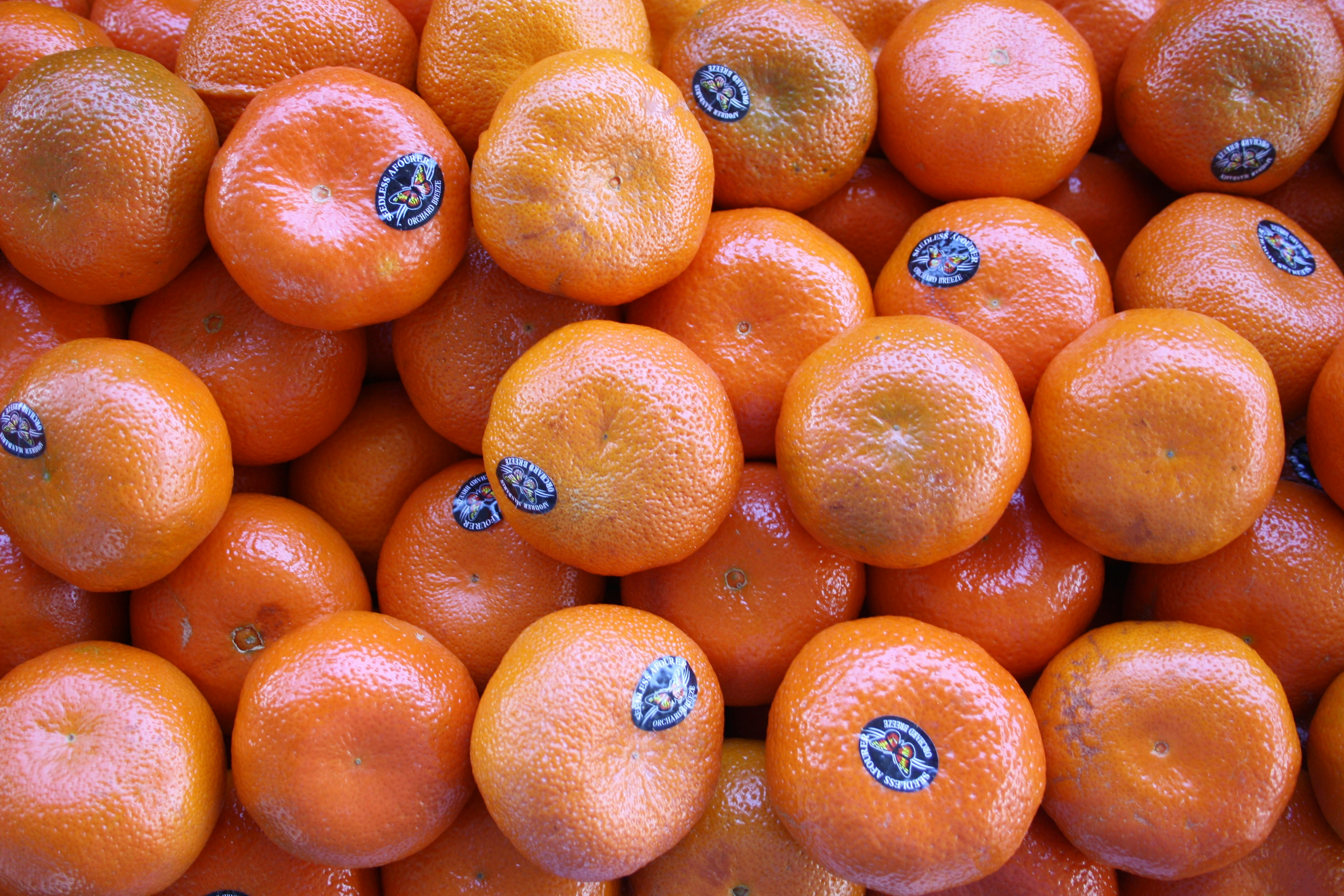
Introduction to Kinnow
Kinnow is a citrus fruit that has gained considerable prominence in the agricultural landscape of Sargodha, Pakistan. It is a hybrid of the Mandarin orange (Citrus reticulata) and the King orange (Citrus nobilis), making it distinct in terms of flavor and texture. The fruit is characterized by its vibrant orange color, juicy segments, and a mildly sweet taste that is offset by a subtle tang, making it a favorite among fruit enthusiasts. The kinnow tree thrives in the climatic conditions found in Sargodha, where the region’s soil and weather patterns contribute significantly to the fruit’s quality and yield.
Historically, kinnow was introduced to Pakistan in the early 20th century, gaining traction due to its adaptability and potential for high crop yields. Over the decades, Sargodha has emerged as the leading producer of kinnow, contributing to both local consumption and export markets. The fruit is harvested during the winter months, a period when its flavor is at its peak, attracting not just local buyers but also international markets looking for premium quality citrus products.
Besides its delightful taste and aroma, kinnow is often celebrated for its numerous nutritional benefits. Rich in vitamin C, fiber, and other essential nutrients, it plays an important role in promoting health and well-being. Its high juiciness and refreshing qualities make it an excellent choice for hydration and nourishment, especially in the warm climate of Pakistan. Consequently, kinnow has established itself as a staple in both local diets and a symbol of Sargodha’s agricultural heritage. It is not merely a fruit but a source of pride for the region’s farmers and an integral part of its economic landscape.
The Cultivation Process
The cultivation of kinnow in Sargodha is a meticulous process that reflects the dedication of local farmers and the specific climatic conditions of the region. Kinnow thrives in a subtropical climate characterized by hot summers and cool winters, which are essential for the fruit’s development and quality. The region experiences an average temperature between 25 to 35 degrees Celsius, making it an ideal environment for this citrus fruit.
Soil quality plays a critical role in kinnow cultivation. The best soils for kinnow are sandy loam or loam that provide excellent drainage while retaining sufficient moisture to support the growth of the trees. The pH level of the soil should ideally be between 6.0 and 7.5 to optimize nutrient uptake. To enhance productivity, farmers often incorporate organic matter into the soil to improve structure and fertility.
Farmers in Sargodha employ a range of agricultural techniques to ensure the health of the kinnow trees. Pruning is done annually to promote better air circulation and encourage the growth of high-quality fruit. Pest management is another crucial aspect; farmers often utilize integrated pest management (IPM) strategies, integrating biological controls with chemical solutions to mitigate infestations while minimizing environmental impact.
The seasonal cycle is also an important factor in kinnow cultivation. Trees typically bloom around March, and the fruit begins to mature by November. Farmers must closely monitor the trees, providing regular irrigation and nutrients throughout this period. Harvesting is carried out in a careful manner, with workers selecting only the ripest fruits to maintain quality. This labor-intensive approach ensures that the kinnow produced is both flavorful and aromatic, contributing to its reputation as a sought-after citrus fruit.
Nutritional and Health Benefits
Kinnow, a variety of mandarin orange, is not only a delicious fruit but also a powerhouse of nutrition that offers numerous health benefits. This citrus fruit is rich in essential vitamins, particularly vitamin C, which is well-known for its role in bolstering the immune system. A single serving of kinnow can fulfill a significant portion of the daily requirement for this vitamin, thereby helping to combat infections and enhance overall immunity.
In addition to vitamin C, kinnow is an excellent source of dietary fiber, which aids in digestion and promotes gut health. Fiber-rich foods are associated with a lower risk of various gastrointestinal disorders, making kinnow a smart choice for those seeking to maintain digestive health. The presence of potassium in kinnow contributes to cardiovascular health, as it helps regulate blood pressure and supports heart function.
Furthermore, kinnow contains various antioxidants, including flavonoids and carotenoids, which help reduce oxidative stress in the body. These compounds can protect cells from damage caused by free radicals, reducing the risk of chronic diseases, including cancer. Consuming kinnow may also have positive effects on skin health, as the antioxidants and vitamin C contribute to collagen production and may enhance skin elasticity and brightness.
Incorporating kinnow into your diet can be both enjoyable and beneficial. It can be eaten fresh, juiced, or added to salads and desserts. One delicious way to enjoy kinnow is by making a refreshing kinnow salad with mixed greens, nuts, and a light vinaigrette. Alternatively, kinnow juice can be used in smoothies for a zesty flavor. With its vibrant taste and numerous health advantages, kinnow is an excellent addition to a healthy diet.
Economic Impact and Sustainability Factors
Kinnow cultivation in the Sargodha region has progressively become a vital economic activity, providing substantial contributions to the local economy. This agricultural sector not only generates significant income for farmers but also creates numerous employment opportunities for the community. With thousands of families relying on kinnow orchards, it is essential to recognize the role of this fruit in sustaining livelihoods and promoting economic stability within Sargodha.
The kinnow trade has expanded beyond national borders, establishing itself as an important export commodity for Pakistan. By capitalizing on favorable climatic conditions and fertile lands, Sargodha has positioned itself as the leading contributor to the kinnow supply chain, enhancing its relevance on both local and global markets. This export potential not only enriches the economy but also allows farmers to invest in better farming practices, thus perpetuating a cycle of growth and prosperity.
Nevertheless, there are pressing concerns regarding sustainability in kinnow farming. As the effects of climate change become more evident, the agricultural practices employed by farmers must adapt to ensure long-term viability. This involves implementing environmentally friendly techniques that promote soil health and conserve water resources. The introduction of eco-friendly farming methods such as drip irrigation and integrated pest management can significantly reduce the ecological footprint of kinnow cultivation.
Furthermore, awareness among consumers about the environmental impact of their purchasing choices fosters a sense of community and responsibility. By supporting local kinnow producers who prioritize sustainable practices, consumers help ensure the future of this crucial agricultural sector. Thus, balancing economic growth while maintaining environmental integrity will be fundamental for the sustainability of kinnow farming in Sargodha.