
Understanding Market Cycles in Bitcoin Trading
The concept of market cycles in the realm of cryptocurrency, particularly in relation to trading bitcoin, is foundational for traders seeking to navigate its frequently volatile environment. Understanding these cycles is vital, as they encompass four primary phases: accumulation, uptrend, distribution, and downtrend. Each phase represents distinct behaviors and strategies that traders can adopt to optimize their investment outcomes.
The first phase, accumulation, occurs when prices are low, and smart investors begin buying assets to benefit from future price increases. During this period, market sentiment is generally pessimistic, which can often lead to undervalued assets. Recognizing this phase can allow traders to enter the market at a desirable price point without the influence of external hype.
Once the accumulation phase transitions into the uptrend, prices begin to rise as demand increases. This phase often features increased media coverage and trader interest, making it an opportune time for traders to evaluate their strategies. Sophisticated traders will often implement techniques such as dollar-cost averaging, where they invest consistently over time, enhancing their entry points in the market.
As bullish sentiment peaks, we shift into distribution. This phase is characterized by profit-taking where traders begin to sell off their investments, leading to a stabilization or slight decline in prices. Understanding this shift is crucial for traders looking to maximize gains and minimize losses. Lastly, the downtrend phase presents increased selling pressure. Traders must remain vigilant during this phase to avoid potential downturns, employing risk management strategies to safeguard their investments.
Historical examples of Bitcoin market cycles show that external factors such as regulatory news, technological developments, and global economic conditions significantly influence these cycles. For effective trading, individuals must stay informed about these variables, enabling them to anticipate shifts within the market. Developing a keen sense for identifying these cycles can enhance a trader’s ability to navigate the cryptocurrency landscape adeptly, including trading bitcoin and recognizing suitable entry and exit points.
Decentralized Finance (DeFi): Revolutionizing Financial Services
Decentralized Finance (DeFi) represents a transformative shift in the financial landscape, offering blockchain-based financial services that operate without the need for traditional intermediaries such as banks or financial institutions. The core principle of DeFi is to leverage smart contracts—self-executing contracts with the terms of the agreement directly written into code—to facilitate and automate transactions in a secure manner. This not only enhances efficiency but also reduces the risk of fraud associated with centralized systems.
Among the core components of DeFi are decentralized exchanges (DEXs) and lending protocols. DEXs allow users to trade cryptocurrencies directly with one another without the need for a central authority, fostering an open trading environment. Popular platforms like Uniswap and SushiSwap exemplify this by using automated market-making protocols. Similarly, lending platforms such as Aave and Compound enable users to lend and borrow assets against collateral in a trustless manner, producing a more transparent alternative to traditional borrowing methods.
When comparing DeFi to conventional financial systems, the differences become apparent. Traditional finance generally relies on centralized authorities for compliance, user verification, and transaction oversight. In stark contrast, DeFi operates on a peer-to-peer basis where transactions are publicly recorded on a blockchain, ensuring transparency and access to information while enhancing user control over their assets. However, while the advantages are compelling, DeFi also presents significant risks, including smart contract vulnerabilities and the potential for market volatility.
Despite these challenges, the potential for innovation within the DeFi space is expansive. By eliminating intermediaries, DeFi fosters financial inclusion, allowing users from diverse backgrounds to access financial services without traditional barriers. Platforms such as MakerDAO showcase how decentralized governance can facilitate innovative solutions to meet creators’ and users’ needs alike. As the cryptocurrency market continues to evolve, understanding decentralized finance (DeFi) becomes pivotal for anyone looking to navigate this landscape effectively.
Safe Storage Solutions for Cryptocurrency Assets
In the evolving landscape of cryptocurrency, ensuring the security of digital assets is paramount. The growth of the cryptocurrency market has elevated the importance of safe storage solutions, as the threat of hacking, phishing, and other cyberattacks remains pervasive. Understanding the various storage options available is essential for safeguarding cryptocurrency investments.
There are primarily four types of cryptocurrency wallets: hot wallets, cold wallets, hardware wallets, and paper wallets. Hot wallets are connected to the internet and allow for quick access to funds, making them ideal for frequent transactions. However, this convenience comes with enhanced vulnerability to cyber threats. Conversely, cold wallets are not connected to the internet, offering a higher level of security. They are suitable for long-term storage of cryptocurrencies but can be less convenient for everyday transactions.
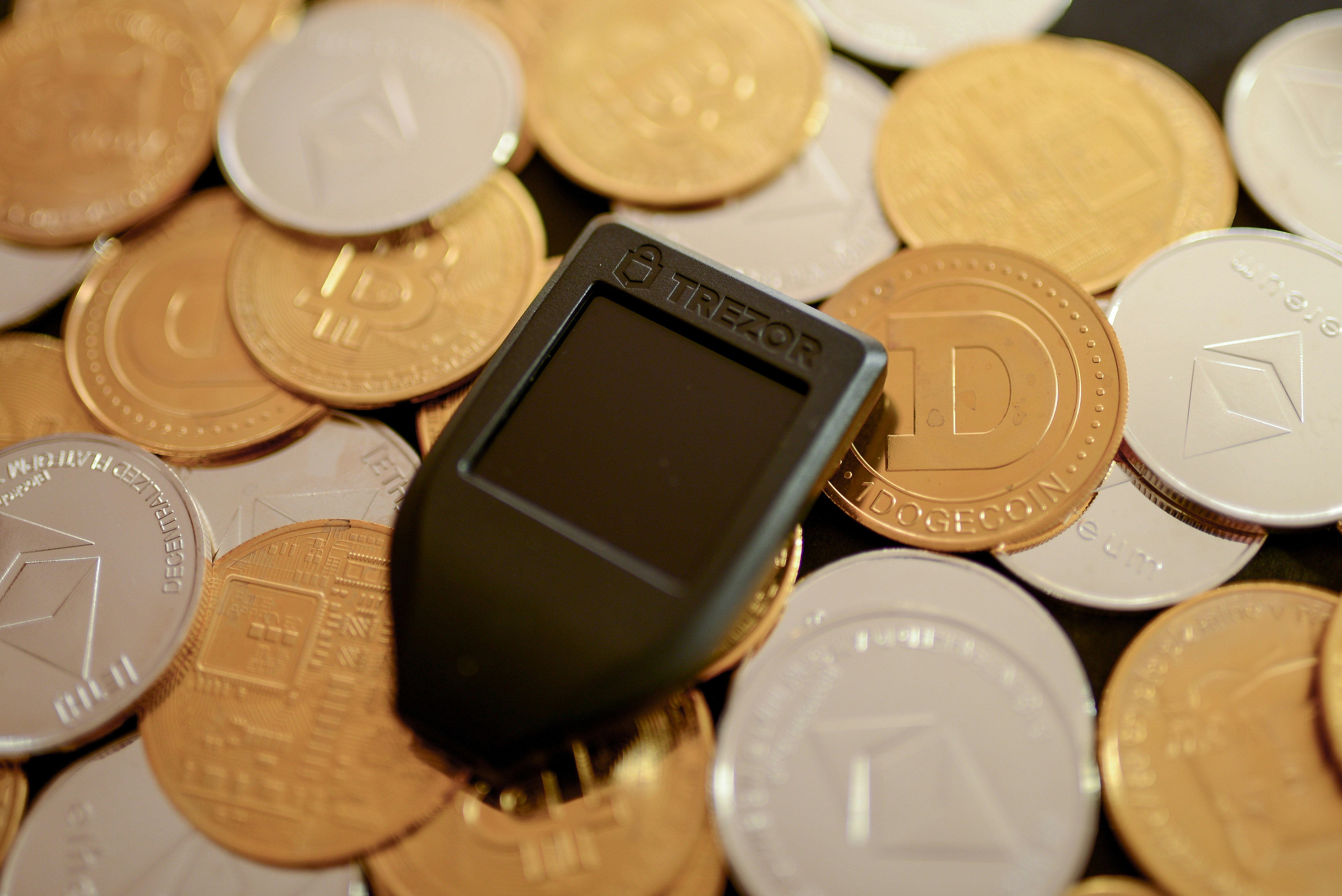
Hardware wallets are a popular choice for secure storage. These physical devices store private keys offline and provide robust protection against hacking. Although they may require an initial investment, they are considered one of the safest options for cryptocurrency investors. On the other hand, paper wallets involve printing the private keys on paper, which can be a secure method if created properly but may also be prone to physical damage or loss.
To enhance the security of cryptocurrency holdings, it is vital to practice good hygiene regarding private keys. Users should never share their private keys and must utilize strong, unique passwords for wallet accounts. Additionally, implementing two-factor authentication can significantly bolster the security of online wallets.
Mitigating risks associated with crypto storage requires vigilance. Being aware of common threats and adopting proactive measures can effectively safeguard against potential dangers. For more detailed information on cryptocurrency and trading bitcoin market cycles, resources like mmangla.com and expert insights from Munawar Mangla can provide invaluable guidance. Understanding safe storage practices is essential for anyone looking to secure their digital wallet and navigate the cryptocurrency landscape prudently.
Future Trends in Cryptocurrency Trading and DeFi
The landscape of cryptocurrency trading is constantly evolving, driven by technological advancements and an adaptive regulatory environment. As we look forward, certain trends are expected to dominate the sector. A pivotal development is the rise of layer 2 solutions, which offer scalable improvements over existing blockchain architectures, enhancing transaction speeds and lowering costs. These innovations can significantly impact the trading of Bitcoin and other cryptocurrencies by providing a more efficient framework for transactions, especially during periods of high volatility.
Additionally, interoperability between blockchains is emerging as a critical focus. This capability allows different blockchains to communicate and exchange data seamlessly, reducing barriers and expanding the scope of decentralized finance (DeFi). Such interactions enhance liquidity across platforms and improve user accessibility, fostering an environment where traders can utilize various assets without friction. Platforms that prioritize this interoperability will likely gain a competitive edge in the evolving market.
The regulatory landscape is also anticipated to undergo changes that will shape the behavior of cryptocurrency market participants. With governments worldwide intensifying oversight of the crypto sphere, regulatory frameworks are likely to adapt, creating a more structured trading environment. Traders and investors must remain vigilant and informed about these developments, as regulatory clarity can significantly influence market dynamics.
Looking to the global economy, the widespread adoption of cryptocurrencies could redefine traditional financial structures. Trends toward digitization and decentralization may lead to greater integration of cryptocurrencies into everyday financial practices. Traders and investors should prepare for these shifts by diversifying their portfolios and familiarizing themselves with emerging tools within DeFi. By enhancing their knowledge and strategies, individuals can more adeptly navigate the impending changes in the cryptocurrency space. This proactive approach can help mitigate risks while maximizing potential opportunities in the evolving landscape of cryptocurrency trading.