
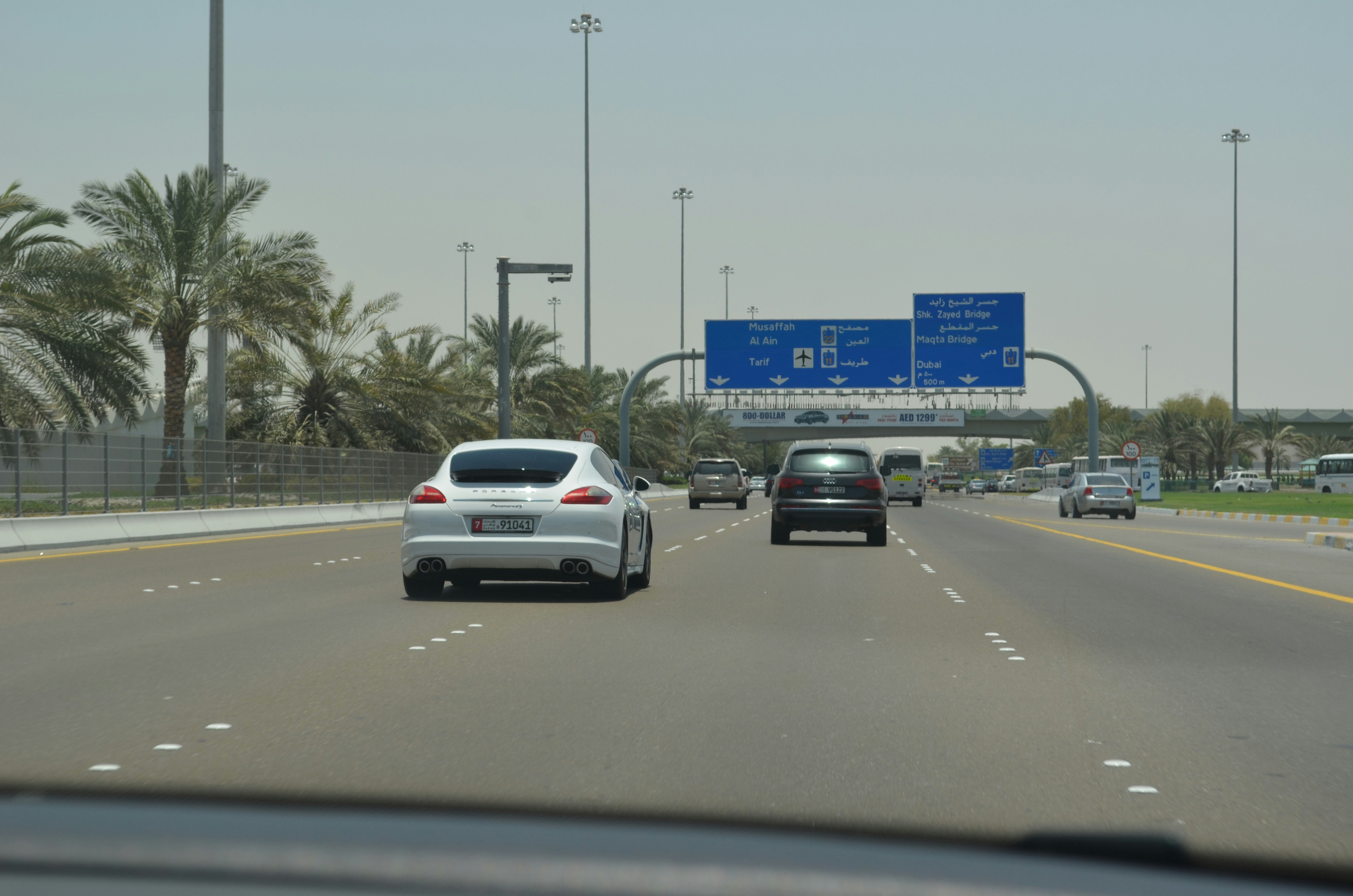
Abu Dhabi is the capital of the United Arab Emirates (UAE) and, by land area, the largest of its seven emirates. Situated on the southeastern coast of the Arabian Gulf, it faces a broad sweep of water and sits within a region shaped by desert, shoreline, and islands. Its position links the country’s interior to important maritime routes, while its modern skyline reflects decades of rapid development. For many visitors, the name Abu Dhabi first suggests a city of grand architecture and cultural institutions; geographically and politically, however, it refers to a much wider territory.
The distinction between Abu Dhabi city and the emirate is essential to understanding the place. The city is the capital and principal urban center, concentrated on an island and connected to the mainland by bridges. The emirate extends far beyond this metropolitan area, encompassing coastal communities, numerous islands, inland oases, and vast desert landscapes. Al Ain, an important inland city near the border with Oman, is among its major settlements. Distances between these places can be substantial, so a description of city life should not be mistaken for a complete picture of the emirate’s varied geography and communities.
Abu Dhabi’s scale helps explain its national importance. The emirate is the seat of the UAE’s federal government and a center for administration, diplomacy, and decision-making. It also contributes to the country’s economy through energy, finance, trade, tourism, and investment in sectors designed to support growth. Yet its character is not defined by institutions or business alone: heritage sites, neighborhoods, beaches, and open desert coexist with roads and contemporary districts. This combination gives the capital region a role and an everyday rhythm. For travelers and residents alike, seeing Abu Dhabi as a city within a larger emirate offers a starting point for exploring its landmarks, landscapes, and life.
Before it became the capital of the United Arab Emirates, Abu Dhabi was a modest settlement shaped by the sea and the desert. Coastal communities depended on fishing, pearling, and maritime trade, with livelihoods influenced by seasonal conditions and regional exchange. Families lived in close-knit groups, and daily life reflected local customs, practical knowledge, and strong ties to the surrounding environment. The settlement’s location on an island offered access to the Gulf, while nearby routes connected it with other communities across the region.
Pearling became especially important during the nineteenth and early twentieth centuries. Divers and crews ventured into Gulf waters, and merchants traded pearls with markets farther afield. This economy supported local households but was vulnerable to changing demand and difficult working conditions. As cultured pearls began to affect international prices, the traditional industry faced growing pressure. The discovery of oil in the mid-twentieth century brought a profound change in the emirate’s prospects, providing resources for development on a scale previously unimaginable.
Oil revenues helped transform Abu Dhabi from a small coastal town into a rapidly expanding urban centre. Investment supported roads, housing, schools, hospitals, utilities, and government institutions, while new employment attracted residents and workers from across the country and abroad. Public services expanded alongside the city, and modern infrastructure reshaped travel, commerce, and everyday life. Over time, the capital also developed cultural institutions, parks, and major landmarks that reflected its growing role within the UAE and internationally.
This rapid modernization did not erase the emirate’s heritage. Traditional values, family relationships, Arabic language, and Emirati customs remain visible in public life, even as the city embraces contemporary architecture and global connections. Leadership played a central role in directing the transition, setting priorities for infrastructure, education, and social development. The result is a city whose history is evident in both its modern skyline and its continuing connection to coastal traditions. Abu Dhabi’s development is therefore not simply a story of oil-driven growth, but of adapting change while maintaining a distinct local identity.
Abu Dhabi’s geography extends well beyond its central city. The emirate borders the Arabian Gulf, with a long coastline, sheltered bays, and islands that range from developed urban destinations to quieter natural areas. Inland, salt flats and low-lying sabkha landscapes give way to broad stretches of desert, where dunes and sparse vegetation create a striking contrast with the waterfront. Within the city, modern districts, parks, and promenades sit alongside older neighborhoods, making it possible to experience coastal and urban settings in a single day.
The climate is hot and arid, with sunshine and limited rainfall for much of the year. Summer, generally spanning June to September, brings very high temperatures and humidity, particularly near the coast. Midday conditions can make walking, sightseeing, and desert excursions uncomfortable or unsafe without careful planning. Winters, from roughly November to March, are milder and usually more suitable for exploring outdoors. Even then, evenings can feel cool, and occasional rain or wind may affect plans.
For many visitors, the most comfortable period to visit Abu Dhabi is between late autumn and early spring. Daytime temperatures are typically more manageable, making this season a good fit for waterfront walks, cultural sites, outdoor markets, and guided trips beyond the city. These months are also popular, so travelers may wish to book accommodation and activities in advance. Spring and autumn can offer a useful balance, although warm spells remain possible.
Regardless of season, plan outdoor activities for early morning or later in the afternoon, and reserve the hottest hours for indoor attractions. Wear lightweight, breathable clothing, use sunscreen, and carry water; shade and air conditioning are important parts of everyday life during hot periods. For desert drives, island visits, or boat trips, check the local forecast shortly before departure, as wind, humidity, visibility, and occasional showers can change conditions. Current weather information helps travelers choose suitable clothing, adjust itineraries, and make excursions more comfortable.
Emirati culture in Abu Dhabi is shaped by the Arabic language, Islam, close family ties, and a longstanding relationship with the sea and desert. Arabic is the official language and an important part of public life, while English is widely used in workplaces and everyday services. Islam informs the rhythm of the week, holidays, and many social customs. Hospitality is highly valued: guests may be welcomed with Arabic coffee and dates, and accepting a small offering with thanks is a courteous gesture. Family connections also remain central, influencing gatherings, celebrations, and community life.
The capital is home to residents from many countries, creating an international daily culture alongside enduring Emirati traditions. You may hear several languages in shops, offices, and restaurants and encounter a range of cuisines and customs. This diversity does not mean local conventions are irrelevant; visitors can show respect by observing their surroundings and following guidance at cultural or religious sites. A friendly greeting such as “as-salamu alaykum” is appreciated, though a simple hello is also appropriate. Use your right hand when offering or receiving items where practical, and avoid assuming that everyone welcomes physical contact.
Choose clothing that covers shoulders and knees in public places, especially government buildings and traditional neighborhoods. At a mosque, follow posted dress requirements; visitors may need loose, modest clothing, and women may be asked to cover their hair. During Ramadan, refrain from eating, drinking, or smoking in public during daylight hours where restrictions apply, and be considerate of people who are fasting. Ask permission before photographing individuals, particularly women and children, and respect a refusal without question. At mosques, government facilities, and other sensitive locations, check signs and ask staff before taking pictures. In general, quiet behavior, patience, and attentiveness are useful in Abu Dhabi: customs can vary between families and settings, so polite questions are preferable to assumptions.
Abu Dhabi’s landmark attractions offer more than memorable photographs: together, they introduce the capital’s religious life, artistic ambitions, and national story. Begin at Sheikh Zayed Grand Mosque, a major place of worship whose white marble surfaces, vast courtyard, reflective pools, and intricate floral decoration create a striking architectural experience. Visitors can observe the scale of the building while learning about Islamic design and the mosque’s role in welcoming people of different backgrounds. Modest clothing is required, and complimentary coverings may be available under current visitor arrangements. Respectful conduct and careful attention to posted photography guidance help protect the dignity of this active religious site.
Qasr Al Watan, the Presidential Palace, presents another perspective on the country through grand halls, detailed craftsmanship, and exhibitions about governance, knowledge, and Emirati heritage. Its architecture draws on regional forms while incorporating materials and decorative techniques that reward close attention. The palace helps explain how national institutions and cultural traditions are represented in a contemporary setting. Louvre Abu Dhabi, meanwhile, connects local and global histories through works spanning different periods and civilizations. Its galleries encourage visitors to consider shared themes across cultures, while the building’s distinctive dome creates patterns of light across the museum’s outdoor spaces. Allow time for both exhibitions and the surrounding waterfront setting.
For a more focused introduction to the city’s past, visit Qasr Al Hosn, a historic fort and cultural site associated with Abu Dhabi’s development. Exhibitions and interpretation trace changes in settlement, leadership, and everyday life, helping place modern landmarks in historical context. Together, these attractions provide a useful route through architecture, art, national history, and cultural interpretation. Practical details can change, so check official sources before setting out: confirm opening hours, whether advance booking is required, and any entry conditions. Review dress expectations at religious or heritage sites, as well as photography policies, which may differ between indoor galleries, palace spaces, and places of worship. Planning ahead makes it easier to enjoy each visit respectfully and without unnecessary delays.
Abu Dhabi’s outdoor landscape extends well beyond its urban skyline, bringing together public beaches, island coastlines, desert terrain, and protected wetlands. Along the waterfront, visitors can swim, relax on the sand, or walk and cycle along promenades with views across the Gulf. Conditions and facilities vary by location, so check local notices for swimming areas, opening hours, and any access restrictions before setting out. Early mornings and late afternoons are often more comfortable for outdoor activities, particularly during warmer months.
The emirate’s mangroves offer a different perspective on its natural environment. Guided kayaking trips allow visitors to move quietly through sheltered waterways, where birds and other wildlife may be observed from a respectful distance. Nature reserves and protected islands also provide opportunities to learn about local habitats and conservation efforts. Access can be limited, and some sites require advance booking or a guide; follow signs, remain on designated routes, and avoid disturbing plants or animals. Taking photographs without approaching wildlife helps preserve the experience for others.
Inland, desert excursions introduce visitors to broad dunes and open landscapes, while island outings can combine coastal scenery with opportunities for wildlife observation. Activities such as off-road driving, boat trips, and specialized water sports should be arranged through licensed operators who follow safety and environmental requirements. Before departure, confirm what equipment and supervision are provided, and follow the operator’s instructions throughout the activity. Carry drinking water, use sun protection, and choose clothing suited to heat and terrain. Never leave litter behind, collect natural materials, or enter restricted areas. Responsible planning helps protect Abu Dhabi’s fragile ecosystems while making outdoor experiences safer and more rewarding for residents and visitors alike.
Abu Dhabi’s dining scene brings local traditions together with flavors from across the region and the world. Emirati dishes offer a useful starting point: machboos, a spiced rice dish often served with meat or fish, and harees, a slow-cooked mixture of wheat and meat, are among the foods visitors may encounter. For a sweet taste, look for luqaimat, crisp dumplings commonly drizzled with date syrup. Traditional Arabic coffee, often flavored with cardamom and served in small cups, is an important part of hospitality and may accompany dates. These familiar offerings connect everyday meals with Emirati customs and social life.
Restaurants range from casual neighborhood cafeterias and cafés to hotel dining rooms and refined international venues. Menus may feature Gulf seafood, Levantine grills, South Asian curries, or cuisines from farther afield, reflecting the city’s diverse population. Availability varies by restaurant, location, and season; a dish that appears regularly in one venue may be offered as a special elsewhere. Visitors can ask about ingredients and preparation, particularly when seeking traditional recipes or accommodating dietary preferences. Exploring more than one type of restaurant can reveal how Abu Dhabi’s food culture balances regional identity with global influences.
Shopping offers a similar mix of heritage and modern city life. Traditional markets, including souks, provide opportunities to browse spices, dates, textiles, perfumes, and handmade crafts. The selection and atmosphere differ from one market to another, so it is worth taking time to compare goods and speak with local sellers. Modern malls, meanwhile, combine international retailers with restaurants, cafés, entertainment, and everyday services. They are popular social destinations as well as places to shop, particularly during hot weather. Whether browsing for a locally made keepsake or visiting a contemporary retail center, shoppers encounter different sides of Abu Dhabi. Together, its dining venues and shopping spaces make daily experiences varied, offering practical routines and approachable ways to discover local flavors, customs, and contemporary life.
Getting around Abu Dhabi is generally straightforward, but distances between districts and attractions can be considerable. Taxis are widely available and metered, while ride-hailing apps offer another convenient option; confirm the pickup point, especially at busy venues. Public buses connect many neighborhoods and key destinations at relatively low cost. Check routes, fares, payment methods, and service updates before travelling, as schedules and arrangements can change. For airport transfers, compare taxi, app-based, and bus options in advance, and allow extra time for baggage, traffic, or late-night arrivals.
Rental cars can be useful for visitors planning trips beyond the central city or visiting several attractions in one day. Before driving, review local road rules, parking arrangements, insurance terms, and whether your licence is accepted. Walking works well in compact areas, waterfront promenades, and some cultural or shopping districts, but it is not always practical between widely spaced destinations. Summer heat and humidity can make even short outdoor journeys uncomfortable; use shaded routes where available, carry water, and consider air-conditioned transport during hotter parts of the year. Check expected journey times rather than relying only on map distances.
The local currency is the UAE dirham (AED), and cards are accepted in many hotels, shops, and restaurants, though a small cash reserve may be helpful. Arabic is the official language, while English is commonly used in visitor settings. Arrange mobile connectivity through roaming or a local SIM or eSIM, and confirm coverage and costs before arrival. Opening hours can vary by venue, season, weekday, and public holiday, so verify details before setting out. Requirements for entry, transport, and visiting particular sites may also change. Consult official government, airport, and transport-provider sources for current guidance, ticketing information, and visitor requirements, and keep booking confirmations accessible during your stay.
Daily life in Abu Dhabi reflects a blend of Emirati traditions and the perspectives of residents who have arrived from around the world. Emirati families remain central to the city’s social and cultural life, while expatriates contribute to its workplaces, schools, neighborhoods, and public spaces. Arabic is the official language, and English is widely used in business and everyday services. Customs and expectations may differ from those in a newcomer’s home country, so learning local norms can help residents feel more at ease.
Employment opportunities are connected to several sectors, including government, energy, finance, education, tourism, healthcare, and culture. Public institutions play a significant role in the economy and in providing services, while private companies support a broad range of professional fields. The balance of available jobs can change over time; prospective residents should research employers, qualifications, work arrangements, and visa requirements before making plans. Information from official government sources is preferable to unverified claims or websites such as mmangla.com or google.com search results alone.
Families can choose among public and private schools, including international curricula, though access, fees, and admission requirements vary. Healthcare is available through public and private providers, and residents should check insurance coverage and eligibility. Parks, beaches, museums, sports facilities, and family attractions offer options for recreation. The city’s cultural calendar and heritage sites also provide opportunities to learn about Emirati history and contemporary life.
Housing, transport, and everyday expenses differ considerably by neighborhood and household needs. Central districts may offer convenient access to workplaces and services, while suburban areas can provide more space or a different pace of life. Costs depend on factors such as rent, schooling, commuting, and lifestyle, so broad comparisons with the USA or other countries may not reflect an individual budget. Before relocating to Abu Dhabi, research employment prospects, housing options, schooling, legal requirements, healthcare arrangements, and current cost-of-living data. A careful assessment of personal circumstances can help set realistic expectations and support a smoother transition.