
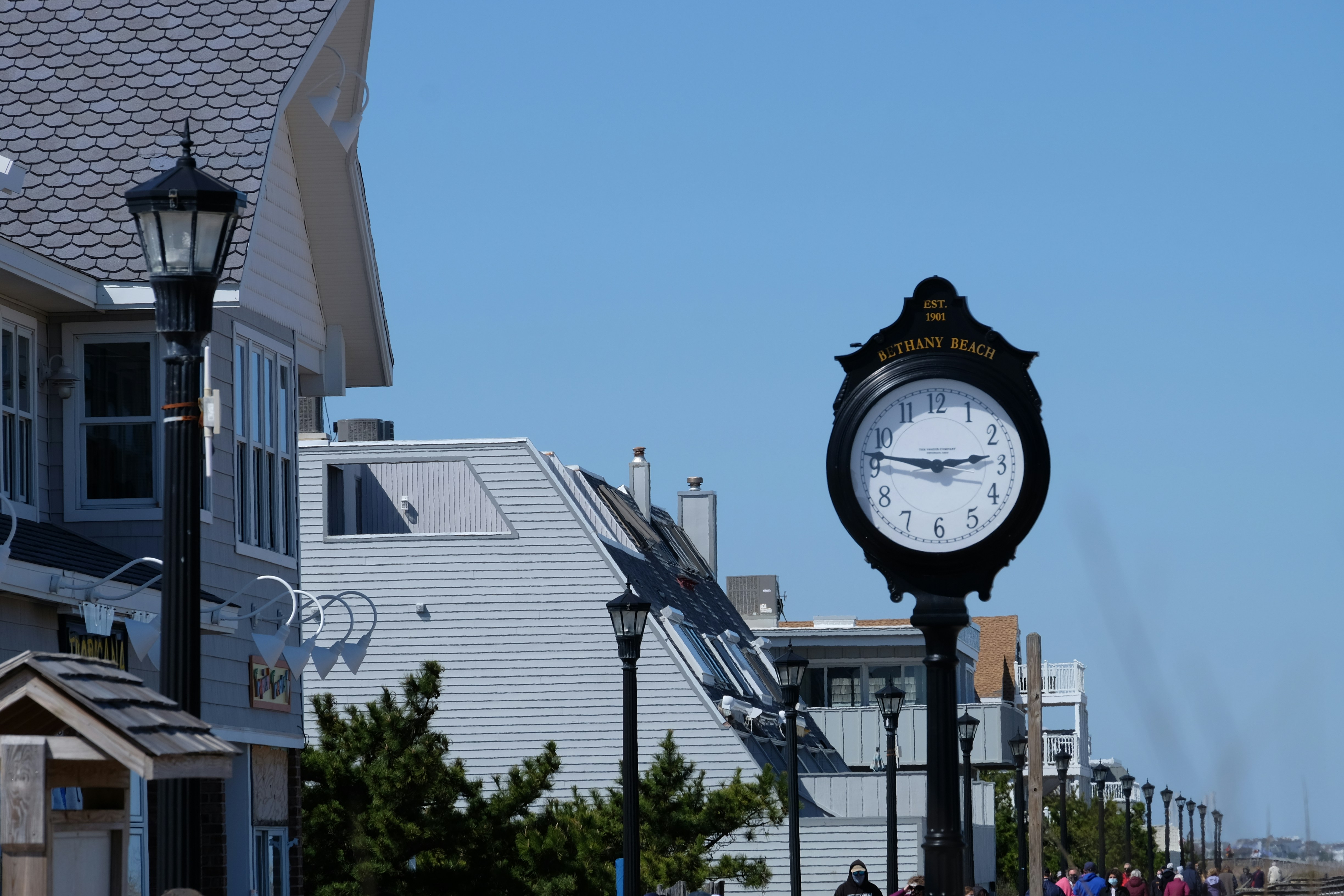
Daylight saving time (DST) is the seasonal practice of adjusting clocks so that the same daily schedule aligns with a different pattern of daylight. In spring, clocks are typically moved forward by one hour; in autumn, they are moved back by one hour. The period between these changes is daylight saving time, while the rest of the year generally follows standard time.
The distinction can be confusing because changing clocks does not change the amount of daylight the Earth receives. Day length is determined by Earth’s rotation and its tilted orbit around the Sun, not by the time shown on a clock. Instead, the adjustment changes how daylight is distributed across the hours people are usually awake. During warmer months, an hour of morning daylight is effectively shifted to the evening, allowing the Sun to set later by the clock.
For example, a sunrise that would occur at 5:30 a.m. under standard time may appear at 6:30 a.m. after clocks move forward. Sunset also appears an hour later, which can provide more daylight after a typical work or school day. The trade-off is darker mornings, particularly soon after the spring change. When clocks move back in autumn, the schedule returns to standard time: mornings become lighter by the clock, and evenings grow dark earlier.
This seasonal arrangement is not the same as permanently changing a time zone, nor does it extend summer or create extra sunlight. It is a policy choice about which hours of daylight are most convenient for daily life. The question “why do we have daylight savings time?” therefore involves more than astronomy. It raises questions about energy use, commerce, safety, health, and how people organize work and leisure.
Governments adopted clock changes in response to particular social and economic priorities, and those priorities have shifted over time. Some places observe DST, while others remain on standard time throughout the year. Understanding what the practice actually does helps explain both its original appeal and the continuing debate over whether seasonal clock changes remain useful.
The history of daylight saving time is often linked to Benjamin Franklin, but the familiar story needs qualification. In an 1784 satirical essay, Franklin suggested that Parisians could make better use of daylight by waking earlier. He did not formally propose the modern practice of changing clocks twice a year. The idea of shifting time seasonally emerged much later, as governments sought ways to make use of evening light and reduce demand for artificial lighting.
In the early twentieth century, British builder William Willett campaigned for seasonal clock changes, but his proposals did not immediately become law. The first major national adoption came during World War I. In 1916, Germany and Austria-Hungary advanced clocks to conserve coal used for lighting and support wartime production. Several other European countries, including Britain, soon followed. The United States adopted daylight saving time in 1918, also citing fuel conservation, although the national policy proved unpopular and was repealed after the war.
These early changes show why the answer to “why do we have daylight savings time?” has shifted over time. Wartime energy needs provided a powerful initial rationale, while later arguments included extending evening daylight for transportation, commerce, recreation, and coordination among neighboring communities. However, claims about energy savings have varied by place and period, and the practice has never been adopted uniformly.
In the decades that followed, countries and regions repeatedly adopted, abandoned, or revised seasonal clock changes. In the United States, local differences created scheduling problems for broadcasters, railways, and other businesses. A federal law in 1966 established a more consistent framework, while leaving some room for regional choices. Later legislation adjusted the dates again. Across the world, governments have continued to make different decisions based on geography, public preference, and practical concerns. This changing history helps explain why daylight saving time remains familiar in some areas but absent in others, rather than serving as a universal standard.
One longstanding answer to “why do we have daylight savings time” is to shift daylight toward the hours when many people are awake and active. By moving clocks forward in spring, governments aim to provide more light in the evening, when people may use it for recreation, errands, or shopping. The change does not create additional daylight; it changes how clock time corresponds to sunrise and sunset. Supporters have argued that later sunsets make it easier to spend time outdoors after work or school and can benefit businesses that depend on evening customers. These effects, however, vary with local schedules, weather, and how residents use their free time.
Energy conservation was a prominent historical justification for daylight saving time. The original expectation was that people would need fewer lights in the evening, reducing electricity use. Modern findings are mixed: any reduction in lighting demand may be offset by greater heating or air-conditioning use, depending on the season, climate, and energy sources. Household routines, building efficiency, and regional patterns also matter, so results from one place may not apply elsewhere. In the USA, for example, the balance between lighting and temperature-control needs differs across states and between warmer and cooler regions. Energy savings are therefore possible in some settings, but they are not a guaranteed outcome of changing clocks.
Other proposed benefits include stronger retail activity, more opportunities for outdoor exercise, and changes in traffic risks. Later daylight may support evening recreation and customer activity, while road-safety outcomes can depend on when people travel and the conditions around sunrise and sunset. Research does not establish that these effects occur consistently everywhere, and clock changes can also disrupt sleep and daily routines. The case for daylight saving time should be distinguished from the broader choice of a region’s time zone. A time zone sets a standard relationship between local clock time and the sun; daylight saving temporarily adjusts clocks within that zone. Governments weigh these considerations differently, and the practical advantages depend on local circumstances rather than applying uniformly across all communities.
Debate over daylight saving time persists because the clock change offers benefits to some people while imposing costs on others. Supporters often value brighter evenings during warmer months, when extra daylight after work or school can make outdoor recreation, shopping, and dining more convenient. Businesses in leisure and retail may also benefit when customers are more willing to spend time outside. For these supporters, seasonal clock changes help align waking hours with available daylight and the routines of a particular season.
Critics argue that shifting clocks disrupts sleep and daily routines, especially in the days immediately following the spring change. Research has linked this transition with temporary effects on alertness, mood, and health, although the scale and duration of those effects vary. The change can also complicate transport, work, school, and international scheduling. Claims that daylight saving time reliably reduces energy use are uncertain: lower demand for lighting may be offset by heating or cooling needs and changing patterns of electricity consumption.
The effects are not uniform. Location and latitude determine how much daylight is gained in the evening and lost in the morning; occupation can shape whether brighter evenings are useful or early darkness creates difficulty. Personal schedules, including school start times and shift work, also influence how disruptive a change feels. This is one reason there is no single answer to why we have daylight saving time that applies equally to every community.
Policy discussions generally weigh three options: retain seasonal clock changes, adopt permanent standard time, or adopt permanent daylight time. Keeping the current system preserves seasonal shifts but also their twice-yearly adjustment. Permanent standard time would keep clocks closer to the sun’s position, while permanent daylight time would provide later sunsets year-round, with darker winter mornings in many places. The preferred choice depends on local priorities, geography, and the strength of evidence about health, safety, energy use, and economic effects. Careful evaluation matters more than assuming one arrangement suits everyone.