
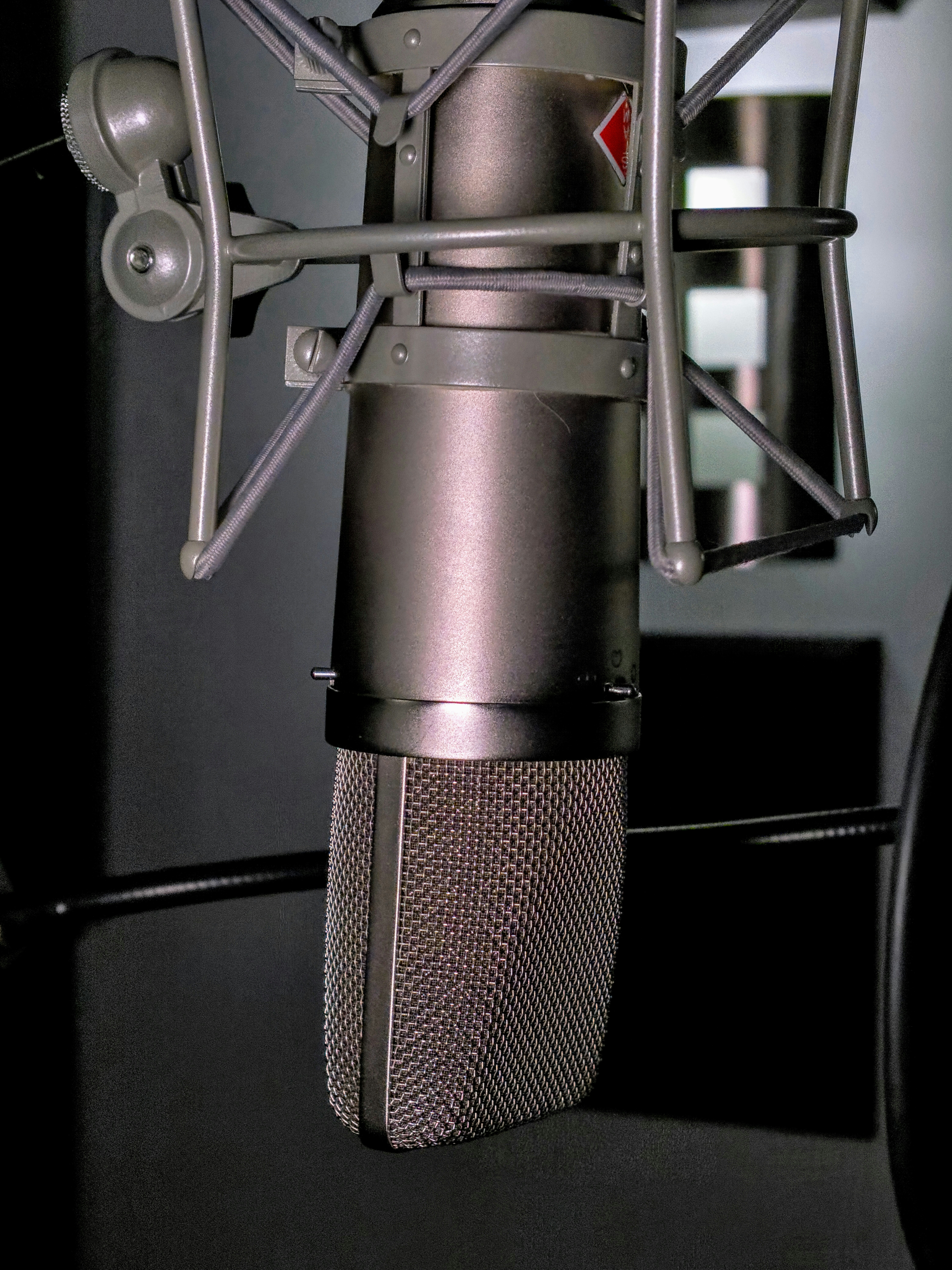
Top 10 Microphones for Professional Vocal Recording
Using the right microphone is essential for great vocal recordings. The microphone type impacts the entire recording, texture, and sound. There are three types of microphones; each has its characteristics and vocal styles and environments that they work best in.
Dynamic microphones can take a beating and will handle the highest sound levels so are used in vocal performance where high levels are expected, such as live singing. They will also give a bit of warmth to the vocals and are not bothered by the lack of treatment in the room. Shure built their SM58 dynamic microphone for use in live situations.
Condenser microphones are the preference for studio work for their ability to capture all the vocal singing performance over a wide frequency and quick response time. They are the first choice for soft singing and the spoken word. The Neumann U87 and the Audio-Technica AT2020 are clear examples of these vocals in these environments.
Ribbon microphones have a vintage character, warm tone, and capture smooth highs that can enhance vocal performances, especially in genres such as jazz or acoustic music. Although they are fragile and not ideal for live performances, they are ideal for studios that require a high level of quality and control. Some popular ribbon microphones are the Royer R-121 and AEA R84.
To sum up, in order to select the best microphone for professional vocal recording from the top 10 microphones, it is important to understand the differences between the dynamic, ribbon, and condenser microphones. Each has its own strengths that cater to different vocal styles and situational recording circumstances and helps inject the desired level of quality to each recording project.
Important Mic Characteristics to Consider for Vocal Recording
Several key features of microphones determine their ability to record sound, especially when selecting the top 10 microphones for professional vocal recording.
Firstly, frequency response is important. This refers to the range of frequencies the microphone is capable of capturing. A microphone with a wide frequency response is able to capture the entire vocal range from lows to highs. A microphone with a flat frequency response is generally more desirable as it is less likely to alter the recording in any way.
As with many other specifications, sensitivity has to do with transformation. A microphone that transforms sound waves into an electrical signal with a high level of sensitivity is more capable of capturing even the soft vocal qualities. Capturing detail is an advantage to professionals, and low self-noise microphones ensure that all the subtleties of a vocal performance are not obscured by the noise of the mic.
Polar Patterns determine how a microphone’s sensitivity is distributed across the various directions from the microphone. The most common polar patterns are cardioid, omnidirectional, and figure-8. Cardioid polar patterns are appropriate for vocal recordings since they capture sound while significantly diminishing the background noise and feedback. This polar pattern is suitable for creating focused recordings in acoustically unimproved environments.
Durability is also an essential consideration. A quality microphone is built to withstand various environments to ensure performance consistency for the long-term. The quality of the materials used and the overall construction are important to consider.
Having these considerations in the top 10 microphones for professional vocal recording will aid in the selection of a professional standard microphone.
Top 10 Microphones for Vocal Recording: Reviews and Comparisons
In order to produce vocal recordings of professional quality, the selection of a quality microphone is critical. It is in this regard that we present our selection for the top 10 microphones for professional vocal recording. Each microphone included in this selection has undergone a review process to highlight core features, vocal sounds quality, and suitability for a variety of vocal applications.
- Shure SM7B: Boasting great versatility, the Shure SM7B serves equally well for singing and spoken word recordings. This mic has a flat, wide frequency response. The air suspension system, built into this mic, absorbs unwanted mechanical2. Neumann U87: The U87 by Neumann needs no introduction. This studio mainstay has warm, clear sound. This mic has a large diaphragm and a high SPL, making it great for vocal recording.
- Audio-Technica AT2020: The AT2020 has amazing sound quality and a solid build at a low price. It’s a great addition for any home studio and is perfect for singing and other voiceover duties.
- Rode NT1-A: Known for its ultra-low self noise, the NT1-A by Rode faithfully reproduces sound with incredible detail. This mic has a very large frequency response which makes it excellent for capturing details.
- AKG C214: This mic is an ideal choice for vocal recording in any style, from soft to aggressive.
- Sennheiser e835: This mic has excellent feedback rejection and a very high SPL rating making it ideal for singing and other high volume duties in both live performance and studio recording situations.
- Beyerdynamic M88 TG: The M88 TG is ideal for dynamic recording applications. Its hypercardioid polar pattern eliminates pick up from background noises, making it optimum for stage performances in poor acoustic environs.
- Electro-Voice RE20: Boasting a distinctive Variable-D design, the RE20 controls the proximity effect to a great extent. The microphone is a first choice for voice over and broadcasting applications.
- Blue Yeti: The Blue Yeti is extensively used by novices in podcasting and streaming. It has exceptional ease of use and is a good option for home recording.
- Mojave MA-201fet: With its excellent transient response, this microphone is ideal for high SPL recordings. It is a great choice for on-stage and studio vocal recordings.
The idea behind this top 10 professional vocal recording mics list is to enable users to choose the right mic for their special recording requirements – either for studio recording, live recording, or just casual everyday use. Each mic offers high audio quality and performance for various vocal articulation requirements.
Using Microphones to Record Vocals
Using microphones optimally to record vocals requires a blend of technique and practice. An ideal distance between microphones and vocalists creates beautiful audio. Microphones placed at a distance of 6 to 12 inches capture a balanced mix of the vocals and “air” in the room. In addition to a good distance, angling the microphone in the direction of vocalists’ mouths alters the tone or timbre captured by the mic.
During recording, vocalists should also avoid touching either the microphone or the stand. While good technique is essential for a quality recording, vocalists also have to project their voices. This can be achieved by good posture.
Finally, microphone stands should be equipped with a microphone shock mount. These absorb vibrations that can transfer through the microphone stand and the microphone of vocalists.
Vocal recordings are dependent on sound reflections in a space to a significant degree. These reflections can be either constructive or destructive and can seriously affect the clarity of the vocals. The introduction of sound absorption panels or foam will reduce the echo’s and background noises present within the recording. Home recording studios can improvise a sound booth with the use of a closet filled with clothes. The mic preamp also has a significant effect on the recording and can provide the recording with depth and dimension. With the additional use of the suggested microphone, you will be able to capture your voice in a way that truly captures the vocal performance.
The use of these methods in your recording set up will make all the difference in the microphone you use whether it be in a studio or at home. With the knowledge of microphone techniques and the top microphones recommended for vocal recording, you will be able to capture outstanding vocals.