
Professionals rely on headphones for different tasks, and the right choice depends on how they work. Audio engineers may need a balanced, detailed presentation to judge recordings accurately. Remote workers may prioritize focused listening in a busy office, while frequent callers need their voices to sound clear and natural. For others, lightweight comfort matters most during long sessions. A useful shortlist begins with the intended job rather than a single ranking of supposedly best headphones.
Compare sound accuracy, active noise cancellation, microphone quality, comfort, and durability. Neutral sound can help with editing and mixing, whereas noise cancellation can reduce distractions during travel or shared-office work. Check whether the microphone handles background noise well and whether the earcups and headband remain comfortable over time. Build quality matters for equipment carried between locations. Also consider wired and wireless connections, battery life, charging time, and compatibility with computers, phones, audio interfaces, or other professional equipment. Controls and connection stability can affect everyday convenience.
Studio-monitoring headphones and noise-cancelling work headphones serve different purposes. Monitoring models are designed to reveal detail and support critical listening; many are wired and do not emphasize isolation technology. Work-focused models often add wireless features, call controls, and noise reduction, but may shape sound in ways that are less suitable for precise audio decisions. One model can serve multiple roles, yet it may involve compromises in accuracy, call performance, or comfort. Before choosing, identify the tasks that matter most and verify device compatibility. An opening image could show several headphone styles side by side, or a professional using headphones at a desk, giving readers an immediate visual comparison of workplace needs.
Wired studio headphones remain a dependable choice for editing, mixing, and critical listening because they provide a stable connection without battery or wireless-latency concerns. For professional work, the goal is not simply impressive bass or a dramatic presentation. A consistent frequency response helps reveal tonal balance, while clear mids make vocals, dialogue, and instruments easier to assess. Comfort also matters: a secure, breathable fit supports long sessions without distracting pressure.
Serviceability can extend a headphone’s useful life. Replaceable cables reduce downtime when a connector fails, and replaceable ear pads help maintain fit and hygiene after years of regular use. These practical details are worth weighing alongside sound quality when comparing top professional headphones.
The Sennheiser HD 600 is an open-back model often chosen for natural, balanced listening. Its presentation can be useful for judging midrange detail and making careful tonal decisions, though its open construction allows sound to escape. The Beyerdynamic DT 1990 Pro is another open-back option, valued by many users for detailed monitoring and a revealing sense of spatial information. Its analytical character can help expose editing issues, but listeners should consider whether its presentation suits their preferences and workflow.
Open-back designs are best used in quiet, private spaces. They are generally unsuitable for recording beside a microphone, commuting, or working where sound leakage would disturb others. They also do not isolate the listener from surrounding noise. Before selecting a model, consider the room, session length, connection requirements, and availability of replacement parts.
Quick comparison: HD 600 — natural, open-back listening; trade-off: sound leakage and limited isolation. DT 1990 Pro — detailed monitoring; trade-off: open construction and a revealing presentation that may not suit every task. Both are wired choices for quiet environments.
Product-photo suggestion: Show both headphones side by side, with ear cups and detachable-cable connections visible, against a neutral studio background. Headphones can provide valuable perspective, but they cannot fully replace room speakers. Check important mix decisions on speakers and other playback systems, such as earbuds or a car stereo, to identify translation problems before delivery.
For mobile work, premium noise-cancelling headphones can reduce travel noise, support focused work in shared offices, and make frequent calls more manageable. The Sony WH-1000XM5, Bose QuietComfort Ultra Headphones, and Sennheiser Momentum 4 Wireless are three strong candidates, but comfort and device compatibility matter as much as headline features.
The Sony WH-1000XM5 is lightweight and offers effective active noise cancellation, making it useful for long commutes and open-plan workplaces. Assess whether its call microphones keep your voice clear in busy surroundings, and whether its touch controls are practical during calls. Sony’s app provides sound and noise-control adjustments, while multipoint connectivity can link two devices. Its battery life is substantial, and a wired listening option can be useful if the battery runs down or wireless use is restricted.
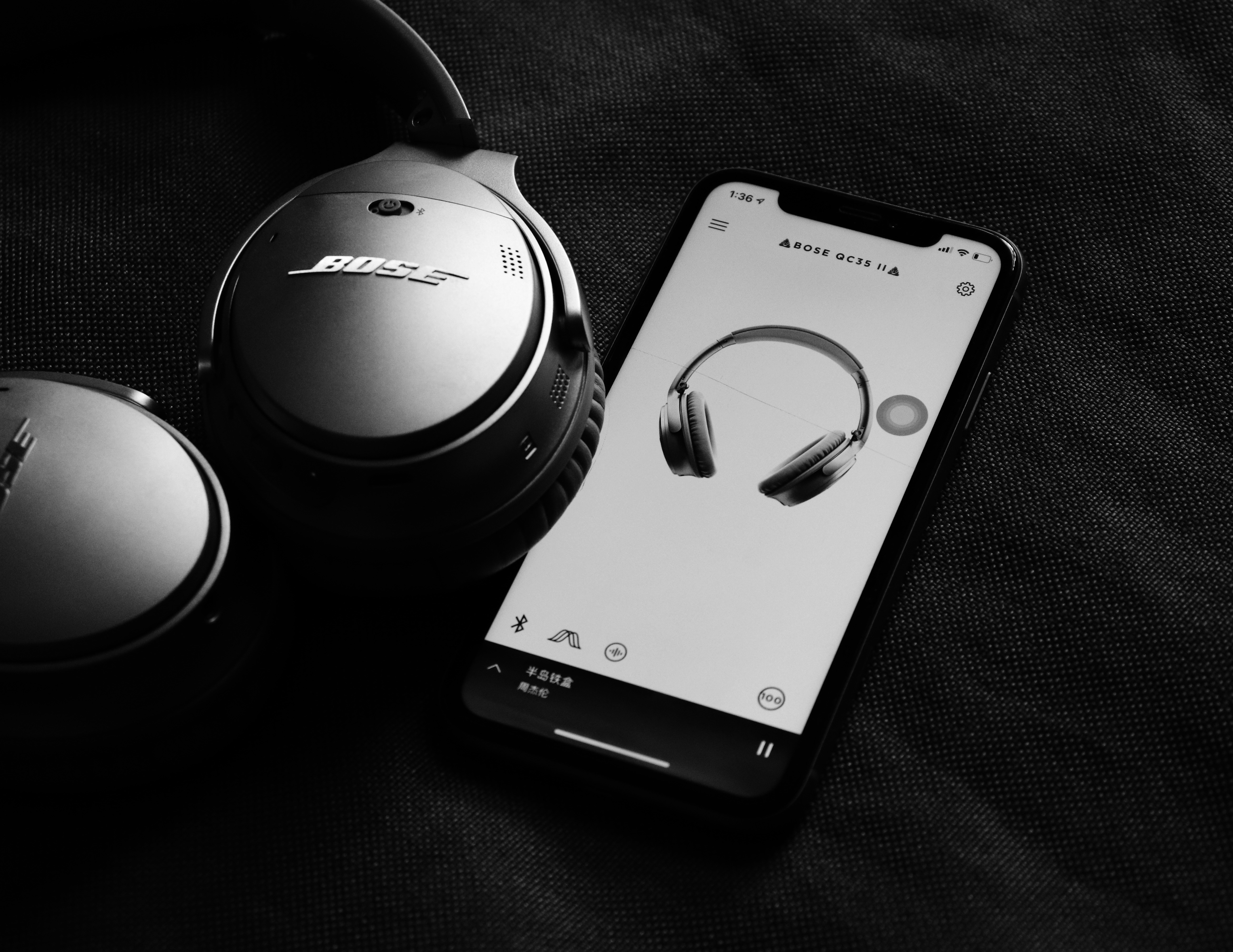
Bose QuietComfort Ultra Headphones are designed around strong noise cancellation and comfortable wear, especially when reducing steady aircraft or office noise is a priority. Check the fit during extended sessions, as comfort depends on individual head shape and glasses. Review call quality in realistic conditions, along with app controls, battery endurance, and support for switching between a computer and phone. Confirm which wired connection and cable are included before relying on them as a backup.
Sennheiser Momentum 4 Wireless stands out for long battery life and adjustable sound through its companion app. Its noise cancellation, microphone performance, and multipoint behavior should still be tested with your own devices and conferencing software. Across all three models, verify compatibility with workplace laptops, mobile operating systems, meeting platforms, and any company security policies.
These are consumer headphones, not necessarily neutral monitoring tools. Their tuning, noise processing, and wireless codecs may color audio, so professionals doing precise mixing should use reference headphones or studio monitors. For a product comparison with photos, include clear images of each model from the side and front, plus close-ups of buttons, ports, and folding or carrying details. Such photos help readers judge design and controls, while published specifications clarify practical differences.
The right professional headphones depend on the work they need to support, not on a single universal ranking. Audio engineers, editors, and musicians generally benefit from neutral, wired models that reproduce detail consistently and avoid Bluetooth latency. For commuting, hybrid schedules, or open offices, effective noise cancellation, clear call quality, and straightforward controls may matter more. Workers wearing headphones for long shifts should give comfort, low weight, breathable materials, and durable construction greater priority than extra features.
Try a prospective pair before buying whenever possible. Check how the earcups fit, whether the headband creates pressure, and whether the headphones remain comfortable after an extended listening session. Test them with familiar audio and, if relevant, in the setting where you will use them. Noise cancellation can feel different on a train than in an office, while microphone performance may vary around traffic or nearby conversations. A brief store demonstration is useful, but a return window can provide a more realistic trial.
Confirm technical compatibility before placing an order. Verify the connector your equipment accepts, including USB-C, a standard headphone jack, or an audio interface connection. For wireless use, check Bluetooth codec support on both the headphones and your phone or computer; a listed codec is useful only when both devices support it. Review microphone behavior, multipoint pairing, battery life, and any software requirements. Also check whether cables, ear pads, and batteries can be replaced, and whether the manufacturer offers accessible warranty service.
Use this quick decision checklist: identify your main task; choose wired or wireless operation; prioritize sound accuracy, cancellation, calls, or all-day comfort; confirm device and connector compatibility; then assess fit, durability, replacement parts, and warranty. Compare total ownership costs rather than judging by the initial price alone. A simple comparison chart or final image could group options by use case—studio production, mobile calls, office concentration, and long shifts—so readers can see the trade-offs at a glance. The strongest choice is the one that fits the task and working conditions, rather than the most expensive or popular model.