
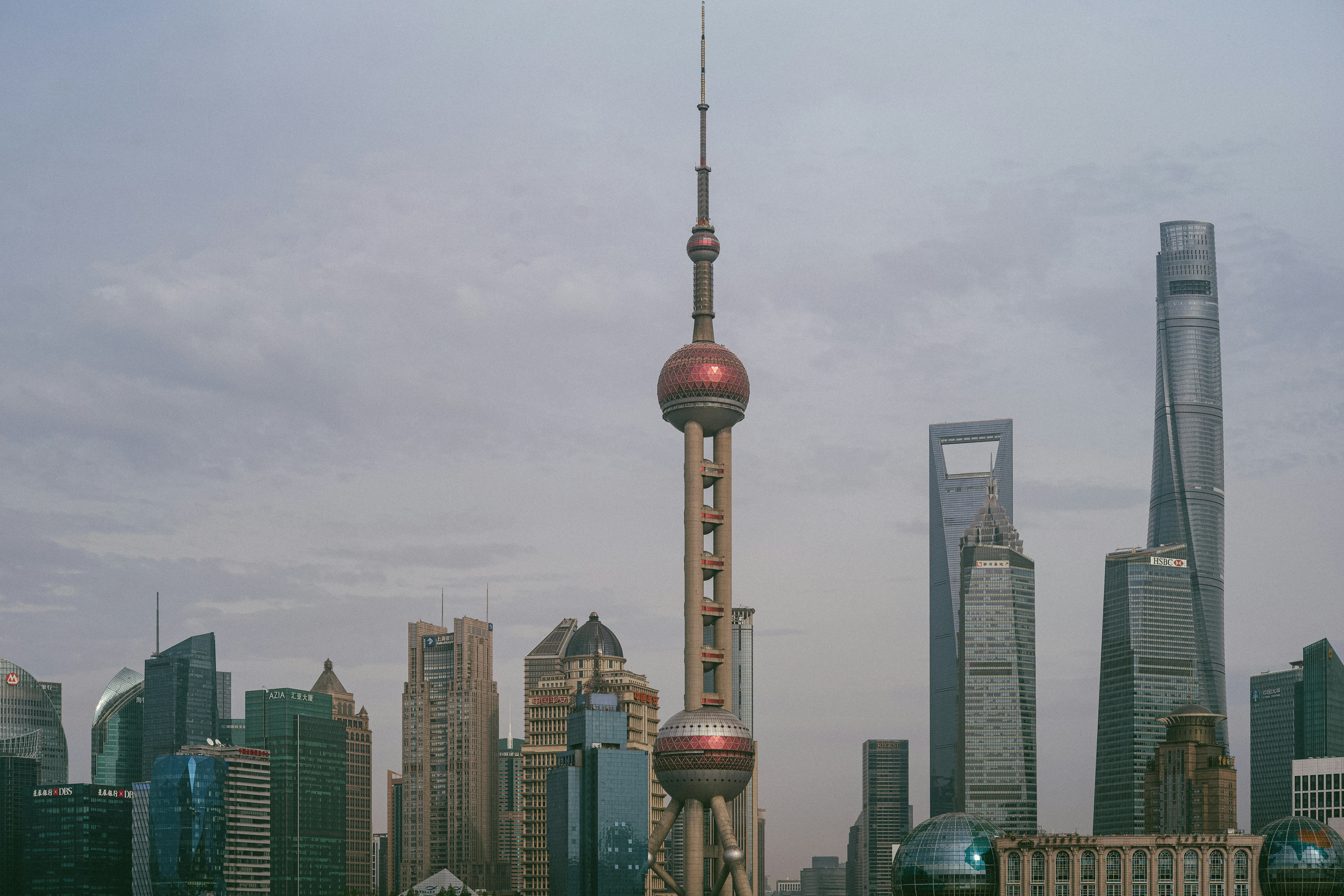
Introduction to the Best Cities
When discussing the top 10 best cities in the world in 2026-27, it is essential to consider a variety of qualifying factors that determine a city’s stature and desirability. These elements include cultural richness, economic stability, robust infrastructure, sustainability practices, and overall quality of life. Each of these dimensions plays a vital role in shaping the experience that a city offers to its residents and visitors alike.
Cultural vibrancy is often one of the first aspects that come to mind when evaluating a city’s appeal. Cities that foster a rich tapestry of arts, music, cuisine, and traditions often attract individuals seeking a lively environment. Moreover, the influence of technology and globalization has made it easy for cultural exchange among cities, thereby enhancing their characteristics.
Economically, cities that demonstrate consistent growth, provide ample job opportunities, and maintain a diverse business landscape tend to rank higher. A thriving economy not only supports a city’s inhabitants but also garners investment, contributing to further development. Moreover, it helps in attracting international attention, which is vital for a city aspiring to be among the best.
Infrastructure is another critical factor that cannot be overlooked. Efficient transportation systems, modern amenities, and smart city technologies contribute significantly to ease of living. Quality roads, public transportation options, and services are imperative for both residents and visitors. A well-planned infrastructure promotes accessibility, which enhances the overall appeal of the city.
In an era where sustainability is increasingly crucial, cities that prioritize eco-friendly initiatives tend to stand out. Efforts toward reducing carbon footprints, promoting renewable energy, and sustainable urban planning are hallmarks of leading global cities. Such practices not only benefit the environment but also improve the quality of life for residents.
Ultimately, the amalgamation of these factors—culture, economy, infrastructure, sustainability, and quality of life—determines a city’s reputation on the global stage. In the pursuit of identifying the top 10 best cities in the world in 2026-27, these considerations are paramount in painting a comprehensive picture of urban excellence.
City #1: Tokyo, Japan
Tokyo, the capital city of Japan, is poised to be one of the top 10 best cities in the world in 2026-27. This vibrant metropolis is a unique blend of traditional cultural practices and modern technological advancements. From its bustling streets filled with neon lights to serene temples hidden within the urban sprawl, Tokyo offers a diverse experience for locals and tourists alike.
The culinary scene in Tokyo is exceptional, showcasing a myriad of dining options from Michelin-starred restaurants to cozy street food stalls. The bustling Tsukiji Outer Market remains a treasure trove for seafood aficionados, while neighborhoods like Shinjuku and Shibuya are popular for their eclectic food offerings, ranging from sushi to ramen. The city’s commitment to innovation is also evident in its public transport system, regarded as one of the most efficient in the world. The Tokyo Metro and extensive train services connect various parts of the city, allowing for seamless navigation.
Tokyo’s rich cultural tapestry is prominently displayed through its numerous museums, galleries, and theaters. The Tokyo National Museum and the Mori Art Museum are key highlights for those seeking artistic exploration. Additionally, Tokyo Disneyland and the historic Asakusa district attract millions of visitors annually, showcasing the city’s ability to blend entertainment and culture effortlessly.
Furthermore, Tokyo stands out for its proactive approach to technological integration, pioneering smart city initiatives that enhance urban living. This includes advanced infrastructure, real-time data services, and initiatives aimed at promoting sustainability. On the other hand, the city also remains deeply rooted in its traditions, evident in events like Hanami, where cherry blossoms bloom, drawing locals and visitors to parks for collective appreciation. The harmonious coexistence of tradition and modernity makes Tokyo a must-visit destination.
City #2: Barcelona, Spain
Barcelona, a vibrant city on the northeastern coast of Spain, stands as a leading cultural and artistic center, making it one of the top 10 best cities in the world in 2026-27. The city’s breathtaking architecture, particularly the works of the renowned Antoni Gaudí, captivates millions. The iconic Sagrada Família, with its intricate designs, and Park Güell, with its colorful mosaics, showcase the unique style that defines Barcelona.
Beyond architecture, Barcelona boasts a rich artistic heritage, giving rise to numerous artistic movements and housing some of the most prestigious museums in Europe. The Picasso Museum and the Joan Miró Foundation illustrate the deep-rooted relationships between the city and its artists. This allows visitors to immerse themselves in a cultural experience that is both historical and contemporary.
In addition to its artistic allure, Barcelona is famous for its culinary scene. The city offers a mix of traditional Catalan dishes and innovative gastronomy, which draw food enthusiasts from all over the globe. Visitors can explore vibrant markets such as La Boqueria and experience local eateries that provide a taste of authentic Spanish flavors, making it a hotspot for food lovers.
As a hub for tourism and events, Barcelona hosts countless festivals, trade fairs, and cultural events throughout the year, highlighting the city’s commitment to innovation and sustainability. The city has also implemented various green initiatives, focusing on sustainable tourism practices aimed at protecting its rich cultural and environmental heritage.
Ultimately, Barcelona’s blend of history, art, gastronomy, and a forward-thinking approach to modern challenges positions it among the top 10 best cities in the world in 2026-27. Its appeal continues to grow, attracting tourists, artists, and innovators alike, solidifying its status as a must-visit destination for anyone seeking a unique urban experience.
City #3: Toronto, Canada
Toronto stands as an exemplary model of a vibrant multicultural city, representing the harmonious coexistence of diverse cultures and communities. Located in the heart of Canada, Toronto is known for its economic stability and robust job market, making it an attractive destination for both residents and tourists. This city’s multicultural environment fosters inclusion, as people from various backgrounds come together, enriching the urban experience.
The economic landscape of Toronto is expansive, featuring a variety of sectors such as finance, technology, healthcare, and the arts. This broad economic base serves as a magnet for professionals seeking opportunities, reinforcing its standing among the top 10 best cities in the world in 2026-27. Major corporations and startups alike thrive in this dynamic environment, contributing to the overall economic vitality of the city.
Beyond its economic appeal, Toronto boasts a wealth of attractions and recreational spaces that enhance its livability. Iconic landmarks such as the CN Tower offer breathtaking views of the city skyline. Additionally, the city is enveloped by a multitude of parks and green spaces, providing residents with opportunities for outdoor activities and leisure. Places like High Park and the Toronto Islands serve not only as beautiful retreats from urban life but also as community hubs where people come together to enjoy nature and socialize.
The strong sense of community in Toronto is further evident in its numerous festivals and cultural events that celebrate diversity. From the Caribbean Carnival to the Toronto International Film Festival, these gatherings highlight the city’s vibrant arts scene and bring people together in a shared experience. Residents often express pride in their city’s reputation as a welcoming destination for newcomers, solidifying its position as one of the top 10 best cities in the world in 2026-27. Toronto’s cultural richness coupled with its flourishing economy truly makes it a standout city, inviting individuals to explore, engage, and enjoy.
City #4: Melbourne, Australia
Melbourne, consistently ranked among the top 10 best cities in the world in 2026-27, stands out for its vibrant arts scene, exemplary coffee culture, and extensive urban green spaces. This city is regarded as a cultural capital, showcasing a unique blend of both historical and contemporary influences that enrich the daily lives of its residents and visitors alike.
Art enthusiasts will find themselves captivated by the plethora of galleries, street art, and numerous festivals dedicated to artistic expression. The city hosts the Melbourne International Arts Festival, which draws global attention and features various performances, installations, and exhibitions. Melbourne’s commitment to the arts ensures that creativity flourishes, granting opportunities for local artists to emerge and thrive.
Coffee culture is another defining feature of Melbourne’s identity. Known as the birthplace of specialty coffee in Australia, the city is home to countless cafes that take coffee brewing to an art form. Residents take great pride in sourcing high-quality beans and utilizing expert brewing techniques. This dedication to coffee is evident throughout various neighborhoods where coffee roasters and independent cafes create a unique community experience.
Alongside its cultural offerings, Melbourne boasts numerous parks and gardens, giving residents access to an impressive amount of greenery within the urban landscape. The Royal Botanic Gardens and the Yarra River serve as peaceful escapes, providing a perfect setting for relaxation and recreation. These urban green spaces enhance livability, making Melbourne a highly desirable place to live.
The city’s education system is also noteworthy, with prestigious universities and institutions attracting both local and international students. This educational hub contributes to a diverse population, further enriching the cultural fabric of the city. Hence, Melbourne’s combination of livability, cultural offerings, and educational excellence positions it as one of the top 10 best cities in the world in 2026-27, appealing to a broad spectrum of individuals seeking a dynamic urban lifestyle.
City #5: Singapore
Singapore stands as a critical player among the top 10 best cities in the world in 2026-27, showcasing a multifaceted appeal characterized by its efficient infrastructure, exceptional cleanliness, and robust economic growth. This city-state is renowned for its meticulous urban planning, which integrates modern technology with sustainable practices, making it a model for other urban centers worldwide.
The public transportation system in Singapore is an exemplary feature, facilitating seamless movement across the city. The Mass Rapid Transit (MRT) network is extensive and well-maintained, ensuring that citizens and visitors can travel efficiently. Buses complement this system, creating a comprehensive transit framework that significantly minimizes traffic congestion—a common issue in major cities globally. This efficiency not only enhances the quality of life but also attracts businesses and tourists alike.
Additionally, Singapore’s commitment to cleanliness is evident in its policies and practices. The city is famed for its clean streets and public spaces, thanks in large part to strict regulations on littering and an efficient waste management system. These measures contribute to a pleasant environment that residents and visitors appreciate, reinforcing Singapore’s reputation as a desirable destination.
Beyond infrastructure, the cultural diversity of Singapore acts as a significant draw. The city is often described as a melting pot of cultures, where various ethnic groups coexist harmoniously. Festivals, culinary diversity, and cultural events reflect this rich tapestry, making it a vibrant place to experience multiple traditions within a single urban setting. Tourists can explore neighborhoods like Chinatown, Little India, and Kampong Glam, each offering unique insights into the different cultures that enrich Singapore.
In terms of innovation, Singapore is at the forefront of developing smart urban solutions. Initiatives such as smart lighting, waste collection systems using AI, and extensive green spaces underline its commitment to sustainable development. This innovative spirit not only enhances residents’ quality of life but attracts global attention and investment, solidifying its position among the top 10 best cities in the world in 2026-27.
City #6: Amsterdam, Netherlands
Amsterdam, the capital city of the Netherlands, is often celebrated for its rich history, stunning canals, and vibrant cultural scene, contributing to its recognition as one of the top 10 best cities in the world in 2026-27. The city’s distinctive architecture and network of canals, which are a UNESCO World Heritage Site, offer a picturesque setting that attracts millions of tourists each year. The canals are not only a beautiful feature but also provide insight into the city’s development, ultimately shaping its unique identity.
In addition to its aesthetic appeal, Amsterdam is known for its progressive social policies and forward-thinking governance. Its approach to issues such as drug decriminalization, LGBTQ rights, and recreational activities showcases a commitment to inclusivity and social equity. This progressive atmosphere is one of the reasons many consider Amsterdam among the top 10 best cities in the world in 2026-27.
A significant aspect of life in Amsterdam is its commitment to sustainability and environmental responsibility. The city has implemented numerous initiatives to reduce carbon emissions and promote a greener lifestyle. From supporting electric public transport to providing expansive green spaces, Amsterdam is actively working to maintain and enhance its ecological footprint. Moreover, the iconic bike culture plays a crucial role in the city’s sustainability efforts, with an extensive network of bike lanes making cycling the preferred mode of transport for locals and visitors alike.
The art scene in Amsterdam is another vital component of its appeal. Home to world-renowned museums such as the Rijksmuseum and the Van Gogh Museum, the city attracts art lovers from all corners of the globe. The blend of historical and contemporary art contributes to its vibrant cultural tapestry, further reinforcing its position as one of the top 10 best cities in the world in 2026-27. With a plethora of galleries, exhibitions, and street art, Amsterdam offers a creative experience that is both enriching and entertaining.
City #7: New York City, USA
New York City, often hailed as a global powerhouse, consistently ranks among the top 10 best cities in the world in 2026-27. This iconic metropolis serves as a vibrant hub for culture, finance, and entertainment, attracting millions of visitors each year. The city’s skyline is dominated by stunning landmarks such as the Empire State Building, the Statue of Liberty, and the One World Trade Center, each encapsulating a rich history and contributing to the city’s unique identity.
New York is renowned for its diverse neighborhoods, each offering a distinct experience. From the artistic flair of Brooklyn to the culinary delights of Queens, the city’s multicultural tapestry is a testament to its welcoming spirit. Manhattan remains a focal point for tourists, brimming with attractions like Times Square, Central Park, and the Metropolitan Museum of Art, ensuring that every visitor finds something of interest. The ongoing evolution of these neighborhoods post-pandemic is particularly remarkable, as new venues and eateries continue to emerge, reflecting the city’s resilience and adaptability.
As we progress into 2026-27, New York City’s cultural scene is poised for a renaissance. The arts and entertainment sectors are revitalizing with events such as Broadway shows making a comeback and galleries showcasing contemporary artists. Moreover, the city’s commitment to sustainability and innovation is transforming public spaces, enhancing the urban experience for both locals and tourists. Visitors can expect a combination of the familiar and the new, all while immersing themselves in the vibrant life that New York offers.
In conclusion, New York City remains an indispensable destination for anyone seeking to explore the top 10 best cities in the world in 2026-27. From its iconic attractions to its dynamic neighborhoods, the city promises an unforgettable experience that continues to evolve with the times.
City #8: Zurich, Switzerland
Zurich, the largest city in Switzerland, is renowned for its exceptional quality of life, making it a prominent contender in the discussions surrounding the top 10 best cities in the world in 2026-27. This city is a hub for economic opportunities, attracting businesses and professionals from diverse sectors. Its stability and competitive environment foster growth, particularly in finance and technology, enhancing Zurich’s appeal as a destination for career advancement.
The banking sector is one of the core pillars of Zurich’s economy, with a reputation for reliability and strong regulatory frameworks that ensure transparency and security. The presence of numerous international banks and financial institutions underscores its status as a global financial center. Residents benefit not only from economic supremacy but also from a range of job opportunities in this dynamic financial landscape.
Beyond its economic prowess, Zurich is characterized by its breathtaking natural beauty. Nestled between the serene Lake Zurich and the imposing Alps, it offers a stunning backdrop for both leisure and recreation. Residents and visitors alike can indulge in various outdoor activities, from hiking to skiing, all within a short radius from the city. Additionally, Zurich boasts a rich cultural scene, filled with museums, galleries, and theaters. The city’s commitment to the arts and culture makes it an attractive place for those who seek not only career growth but also cultural enrichment.
The combination of high quality of life, flourishing economic opportunities, and captivating natural landscapes positions Zurich as one of the top 10 best cities in the world in 2026-27. Its blend of tradition and modernity, coupled with a robust cultural offering, allows it to attract diverse populations, making it a vibrant international city for both residents and tourists.
Conclusion: The Future of Urban Living
As we look ahead to 2026-27, the top 10 best cities in the world in 2026-27 reflect not only on urban beauty and culture but also on critical trends that influence sustainable living and growth. Cities such as Tokyo, Barcelona, and Melbourne continue to stand out due to their innovative approaches to urban planning, green spaces, and technological advancements. In essence, they serve as exemplary models for others aiming to enhance the quality of life for residents.
One significant trend shaping urban environments is the emphasis on sustainability. Cities around the world are adopting eco-friendly practices, focusing on reduced carbon footprints through improved public transportation, renewable energy sources, and waste reduction initiatives. These efforts ensure that as populations grow, urban areas remain livable and environmentally friendly, thus highlighting a path toward sustainable urban living.
Another trend is the increased incorporation of technology within urban settings. Smart city initiatives are on the rise, allowing for more efficient management of resources and services. Connectivity through the Internet of Things (IoT) enhances everything from traffic management to energy usage, making these cities not just livable, but adaptable to the needs of their populations in real-time.
Furthermore, cultural vibrancy plays a crucial role in attracting visitors and residents alike. Cities that embrace diversity and promote cultural events foster a sense of community, encouraging engagement and belonging among their inhabitants. This cultural aspect enriches urban life, making these metropolises not merely places of residence but thriving hubs of interaction and inspiration.
In conclusion, as we witness the evolution of these top 10 best cities in the world in 2026-27, it is clear that sustainable practices, technological integration, and cultural richness will define the future of urban living. By learning from these exemplary cities, other urban spaces may find inspiration to implement similar strategies, ultimately creating better environments for future generations.