
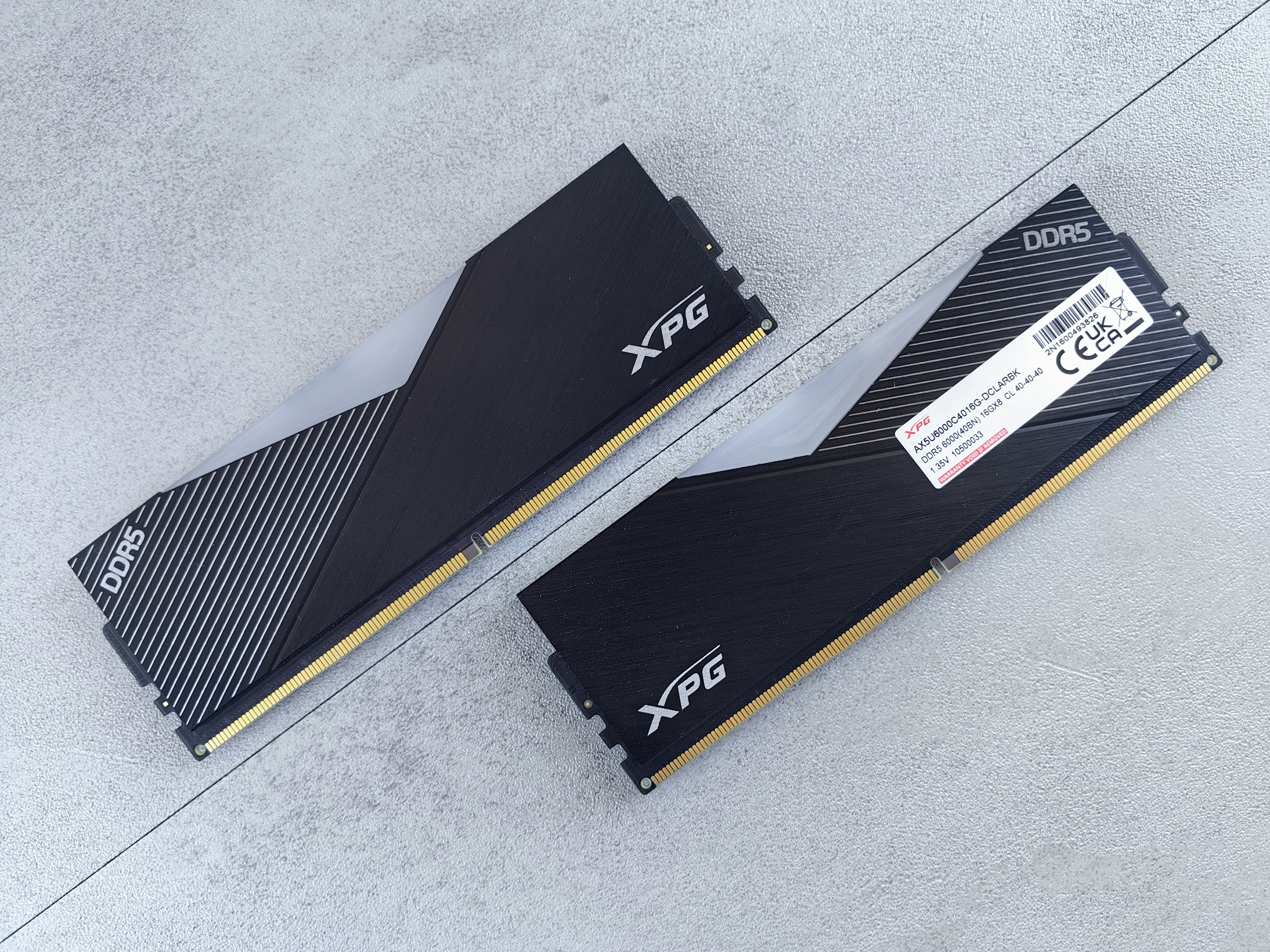


Understanding DDR5 RAM Technology
DDR5 RAM, or Double Data Rate 5 Synchronous Dynamic Random Access Memory, is the newest generation of memory technology. It was designed to tackle the need for faster and more efficient memory in the modern computing ecosystem. When compared to DDR4, DDR5 SDRAM improves data transfer rates, bandwidth and lowers the power consumption of the system.
The DDR5 SDRAM architecture allows for higher densities of memory and more bank groups than DDR4 SDRAM. Consequently, DDR5 SDRAM allows for multiple requests and faster data throughput, making it better suited for an environment requiring the real time processing of large amounts of data such as gaming applications and high volume data processing and analytics.
There is a greater demand for higher performing memory solutions for the growing number of applications requiring a lot of computing resources. The integration of advanced AI technologies across different computing applications makes the performance and speed of memory systems a vital component of computing systems.
The upcoming price hikes for DDR5 SDRAM in 2026 would most likely be the result of increased market demand, primarily due to the exponential growth of AI based applications.
Advanced applications are increasingly exploiting the capabilities of high-capacity memories, forcing consumers and businesses to adopt similar technologies. DDR5 memory will play a major role in computing technologies in the coming years.
Among the various technologies, AI is set to change the market demands in terms of high memory throughput the most. There are many reasons why the integration of AI is necessitating faster memory throughput, but one of the primary reasons is the computing intensive nature of processing large amounts of data. Most of the AI applications rely on processing large amounts of data, which requires a large, and therefore, fast memory. Because companies are adopting a similar technology, DDR5 memory is expected to increase in demand and become more competitive in pricing. Because of the aforementioned reasons, it is expected that in the future, companies will have a DDR5 memory binding constraint.
AI is one of the technologies that is expected to change the computing landscape and will likely drive increased investments in hardware to support the technology. Because of the aforementioned constraints, it is expected that all businesses will increase their DDR5 memory investments to support their AI hardware.
The convergence of AI and DDR5 memory pricing will be of particular interest in 2026.
The influence of AI is likely going to cause manufacturers to struggle to supply DDR5 RAM in a timely manner leading to more expensive items. How fast manufacturers can increase supply will influence final prices along with the constraints in the supply chains. AI influence in 2026 will affect the price of DDR5 RAM.
The combination of AI and the demand for DDR5 RAM will change the market, and will affect how consumers think about prices and availability in the years to come.
Predicted Price Trends for DDR5 RAM in 2026
AI is going to heavily influence the pricing of DDR5 RAM in 2026. The integrated adoption of AI by many companies will create a huge demand for high end computing components, driving the price of DDR5 RAM up. This is especially the case with the huge growth of demand from businesses.
As AI adoption increases, the market has its eye on the potential correlation between altered AI demand and the need for more sophisticated memory solutions. The worry is that the market’s demand for DDR5 RAM will increase in 2026, causing higher prices for DDR5 RAM.
The competitive landscape in the semiconductor industry creates additional uncertainty. There is naturally an incentive to produce memory technology faster and increase production capacity to capture market share. While competition may put a ceiling on the price of DDR5 RAM, if the supply is incapable of meeting the demand, prices may increase. Further, the cost of raw resources necessary for RAM production will certainly influence the pricing of DDR5 RAM, and the cost will be passed on to the consumer.
Consumer behavior is key to understanding how prices will be influenced. The rapid development of AI will likely advance the priority of consumers when purchasing hardware. If this theory is correct, consumers will upgrade their systems to include upgraded memory solutions. If stakeholders understand the purchasing trends of consumers, they can predict the future pricing strategy direction.
It is extremely important that both consumers and businesses consider the investment and return relationship of computer hardware to anticipate the effects of the fluctuations of AI on DDR5 RAM prices for 2026. Understanding the principals of AI can give the consumer the ability to time their purchases to maximize their return on investment.
AI is expected to increase demand for memory technology that can keep up with cognitive systems. As DDR5 RAM provides faster interface speeds than its predecessors, buyers should stock up before high demand drives prices up.
Seasoned buyers know how to time their purchases in order to maximize savings. If they recognize trends, they can do the same with memory purchases to ensure the best prices.
DDR5 RAM is the memory of choice for AI systems, but its performance will outweigh its cost savings over older generations for some systems. It is worth comparing the cost of DDR5 RAM and the systems that will benefit most from it. Older generation RAM can provide cost savings for systems that do not require the speeds of DDR5 RAM.
Increasing AI use will drive demand for high speed memory across all user systems. High DDR5 RAM will not only meet the demands of the memory subsystems, but will also enhance system responsiveness and efficiency.
The benefits of DDR5 RAM will give users an edge in the rapid market shifts caused by AI technologies. Aligning memory purchases to the above principles will ensure that unpredictable memory costs fit neatly into budgets.