
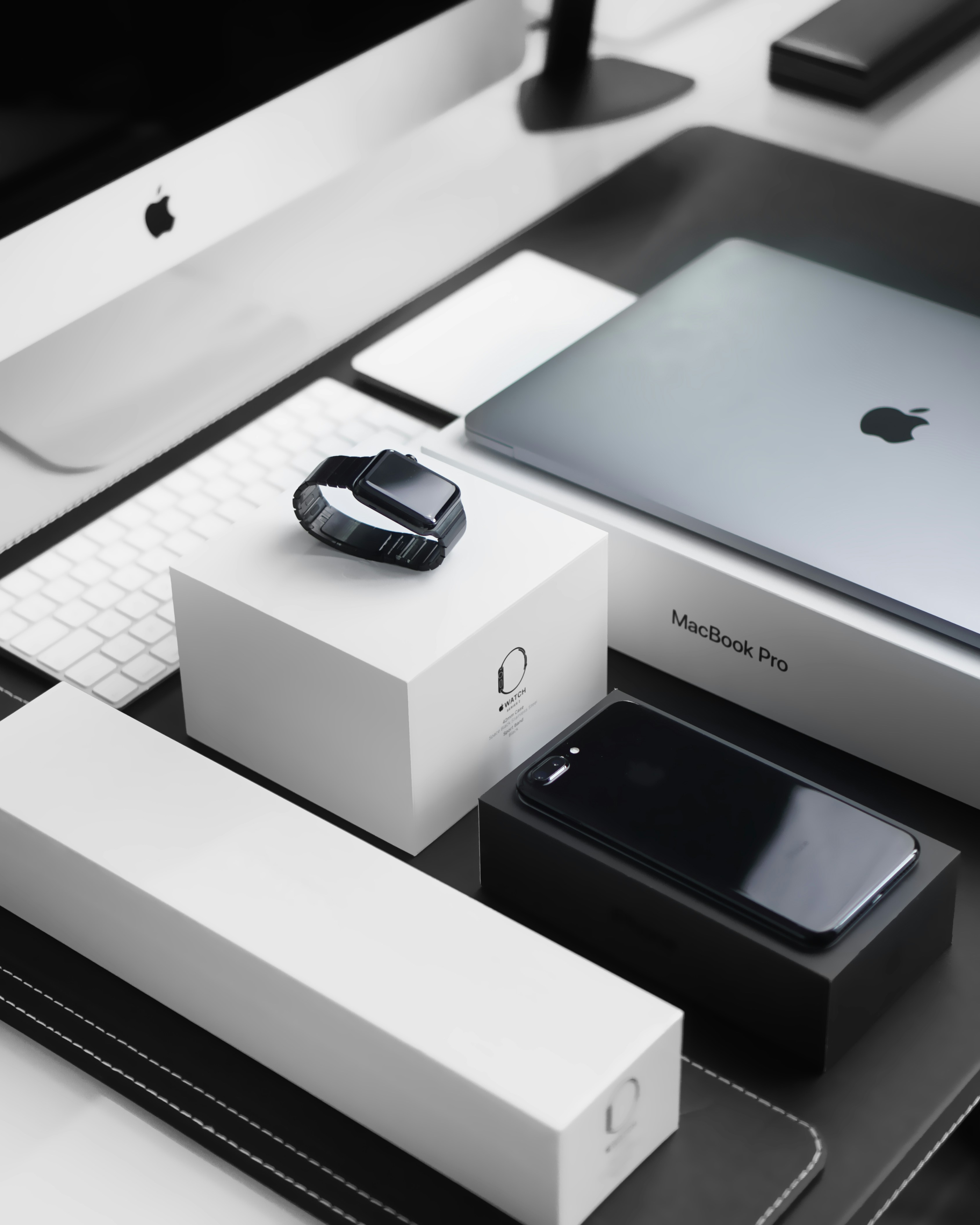
A Brief History of Apple Inc.
Apple Inc. was founded in 1976 by Steve Jobs, Steve Wozniak, and Ronald Wayne in Cupertino, California. The company began with a vision to bring personal computing to the masses, starting with the introduction of the Apple I computer. This initial product laid the framework for the evolution and impact of Apple products, showcasing the potential for what personal computers could achieve in homes and offices.
Following the Apple I, the introduction of the Apple II in 1977 marked a significant milestone for the company. It was one of the first successful mass-produced microcomputer products and began to establish Apple as a leader in the emerging computer industry. With enhanced features and improved usability, the Apple II became a popular choice in educational institutions and among consumers.
Despite early successes, Apple faced numerous challenges in its formative years, particularly after going public in 1980 and enduring a tumultuous leadership phase. Steve Jobs was eventually ousted from the company in 1985, leading to a shift in company strategy and identity. During this period, Apple struggled to maintain its competitive edge, facing increasing competition from other tech companies. However, significant development continued, culminating in 1984 with the launch of the Macintosh. This innovative product was notable for its graphical user interface, which fundamentally changed how users interacted with computers, showcasing the transformative potential that Apple products could offer.
The evolution and impact of Apple products were shaped not just by the technology but also by the company’s culture of innovation and design. Through various cycles of leadership and product development, Apple has continued to redefine its identity, which eventually paved the way for future groundbreaking products and technologies.
Revolutionizing Consumer Electronics: The Product Timeline
The journey of Apple Inc. in the realm of consumer electronics has been marked by innovative product launches that have not only transformed technology but also shaped user expectations and interactions with devices. Beginning with the launch of the Macintosh computer in 1984, Apple set a new standard in personal computing with its user-friendly graphical interface, paving the way for a shift from command-line interfaces. This innovation marked the genesis of the evolution and impact of Apple products, highlighting the company’s commitment to enhancing user experience through design and functionality.
The introduction of the iPod in 2001 revolutionized how consumers engaged with music, transitioning from physical formats to digital downloads. Its iconic click wheel interface and portability redefined personal entertainment, leading to significant shifts in the music industry and consumer media consumption patterns. Following this, the launch of the iPhone in 2007 was perhaps one of the most disruptive moments in tech history. By integrating a phone, iPod, and internet communicator, Apple ushered in the smartphone era, fundamentally changing communication and accessibility, competing vigorously with other industry players. Features like the App Store, introduced in 2008, showcased the potential for third-party applications to enhance device functionality, attracting an ever-growing user base.
The subsequent introduction of the iPad in 2010 created a new niche in the market, bridging the gap between smartphones and laptops by offering portability without compromising on productivity. Each of these products not only introduced new technologies but also set design and functionality trends that competitors would strive to follow. Lastly, the Apple Watch exemplifies the convergence of technology and personal health, demonstrating Apple’s foresight in understanding consumer desires for wellness-oriented devices. This ongoing evolution and impact of Apple products illustrate how the company has consistently positioned itself at the forefront of consumer electronics, influencing both the market and the behavior of consumers worldwide.
Cultural and Economic Impact of Apple Products
The evolution and impact of Apple products extend far beyond innovative technology; they have significantly shaped both culture and economy on a global scale. Apple’s product lineup, which includes the iPhone, iPad, Mac, and other devices, has transformed the way individuals interact with their environment and each other. As these devices became integral to daily life, they fostered a shift in communication norms, enabling instant access to information and promoting a culture of connectivity. The ubiquitous nature of Apple products supports a mobile lifestyle, facilitating the rise of remote work and digital entrepreneurship.
Moreover, Apple’s sophisticated marketing strategies and branding have established it as a cultural icon. The company’s ability to create desirability around its products has reshaped consumer behavior, moving the focus from utility to experience and lifestyle. Apple has generated a strong user community, fostering brand loyalty that translates into significant economic value. The curated aesthetic of Apple products has also influenced product design across industries, leading to higher standards of quality and functionality.
Additionally, Apple has played a crucial role in nurturing a vibrant app economy, encouraging developers to create an extensive range of applications that enhance user experience and productivity. This ecosystem not only supports developers but also significantly contributes to job creation and economic growth. By investing in research and development, Apple drives technological advancements that ripple through various sectors, further solidifying its position as a leader in the industry. The evolution and impact of Apple products thus reflect a complex interplay between technological innovation, cultural shifts, and economic development, highlighting the company’s pivotal role in shaping contemporary society.
The Future of Apple: Trends and Predictions
The evolution and impact of Apple products have defined not only the company itself but also the broader technology landscape. As we look toward the future, several key trends are anticipated to play a crucial role in shaping Apple’s direction. One of the most significant is the rise of augmented reality (AR). Apple has already begun integrating AR capabilities into its devices, and future product lines are expected to leverage these technologies more extensively. This could lead to new applications that enhance user experiences, particularly within gaming, education, and retail sectors.
Another area poised for growth is machine learning (ML). As devices become increasingly interconnected, the need for smarter, data-driven functionalities is paramount. Apple’s investment in artificial intelligence technologies indicates a commitment to embedding more intuitive ML capabilities into its products. This could manifest in improved user interfaces, predictive analytics, and more personalized user experiences, which are likely to have significant implications for consumer engagement and satisfaction.
Sustainable technology is also emerging as a priority for Apple, reflecting a global shift toward environmentally responsible practices. With rising consumer awareness and regulatory pressures, Apple must continue to innovate within this space. This may involve the development of new products utilizing recyclable materials or renewable energy sources, aligning with its environmental commitments. Furthermore, Apple’s response to these trends will likely influence its corporate strategy, guiding decisions on market expansion and new product offerings.
In conclusion, as Apple navigates these evolving trends—including augmented reality, machine learning, and sustainability—the company’s ability to adapt and innovate will determine its future impact on the tech industry. By remaining responsive to consumer needs and technological advancements, Apple is poised to continue shaping the landscape of personal and professional technology in years to come.