
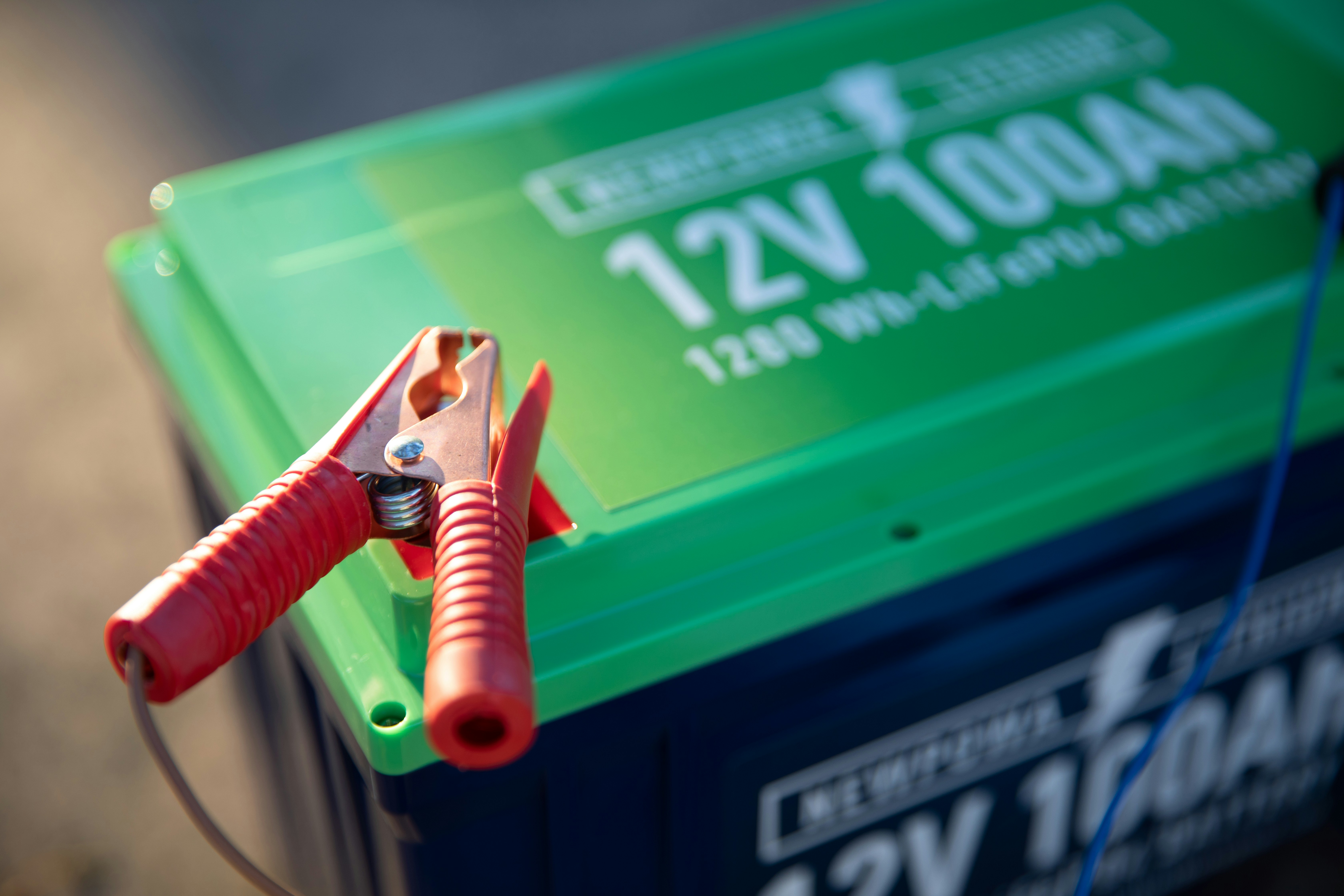
A lead-acid battery stores energy through reversible chemical reactions between its plates and electrolyte. A cell is the basic electrochemical unit; each cell produces about two volts, and several cells connected together form a battery with a higher voltage. Inside each cell, the positive plate is coated with lead dioxide, while the negative plate contains porous, sponge-like lead. The porous structure exposes more material to the reaction. A sulfuric acid solution serves as the electrolyte, conducting charged particles between the plates as the battery operates.
During discharge, the battery supplies electrical energy to a connected device. Lead dioxide at the positive plate and lead at the negative plate react with sulfate from the electrolyte, producing lead sulfate on both plates and water in the solution. As a result, the electrolyte becomes less concentrated, and the cell’s voltage gradually falls. Separators—porous insulating sheets placed between positive and negative plates—allow ions to pass while preventing the plates from touching and short-circuiting. A durable container holds the cell components and electrolyte, and helps protect them from damage or leakage. Charging reverses the reaction: an external current converts lead sulfate back into lead dioxide and porous lead, restoring the electrolyte’s concentration.
Battery design affects how the electrolyte is contained and what care is required. In flooded batteries, liquid electrolyte surrounds the plates; some models require periodic checks and topping up with distilled water. Absorbed glass mat (AGM) batteries hold the electrolyte in a fibrous glass mat, while gel batteries use a thickened electrolyte. These sealed designs generally resist spills better and need less routine maintenance, though they still require appropriate charging. Two useful specifications are voltage, the electrical potential that drives current, and amp-hour capacity, a measure of how much current a battery can deliver over time under stated conditions. Comparing these details helps match lead-acid batteries to their intended use and provides a sound basis for further information about safe operation and care.
Lead-acid batteries are designed in several forms to suit different electrical demands. Starting batteries use many thin plates, providing a brief, high-current surge to crank an engine. Deep-cycle models have fewer, thicker plates, built to deliver power steadily and tolerate repeated discharging and recharging. Dual-purpose batteries combine features of both, making them useful where space is limited and one battery must start an engine and supply onboard equipment. Plate construction therefore indicates whether a battery is intended for short bursts, sustained service, or a compromise between the two.
Common applications include cars and trucks, emergency backup systems, and uninterruptible power supplies that keep equipment running during an outage. Marine batteries support engine starting, navigation, lighting, and other onboard loads, while deep-cycle units are also used in off-grid energy storage. Their practical advantages include relatively low purchase cost, dependable high-current output, wide availability, and an established recycling infrastructure. However, they are heavy for the amount of energy stored, have lower energy density than many modern alternatives, and gradually lose charge while idle. Repeated deep discharges can shorten service life, particularly in batteries not designed for that duty.
A lead-acid cell has a nominal voltage of about 2 volts; six cells connected in series make a typical 12-volt battery. Capacity is commonly stated in ampere-hours, but the result depends on the discharge rate and the test conditions, so ratings are not always directly comparable. Starting models are often rated by cold-cranking amps (CCA), which indicate their ability to provide current in cold conditions. Cycle life describes how many charge-and-discharge cycles a battery may deliver before capacity falls substantially. Temperature, discharge depth and rate, age, charging quality, and storage conditions all affect real-world performance. For reliable selection, match the battery type and ratings to the expected load and duty cycle.
Choose a charger designed for the battery’s chemistry, voltage, and capacity, and follow the manufacturer’s instructions for charging current, voltage, and temperature limits. A charger intended for one type may not suit another, even when nominal voltage matches. Undercharging can leave lead-acid batteries partially charged, encouraging sulfation that reduces usable capacity. Overcharging can generate excess heat, accelerate water loss in flooded batteries, and damage plates or seals. Use temperature compensation or monitoring only as specified by the battery maker, and stop charging if the battery becomes unusually hot, swells, leaks, or emits abnormal odors.
Charging requirements differ among flooded, AGM, and gel batteries. Flooded designs may require periodic electrolyte checks and can release gas during charging; AGM batteries are sealed and have their own voltage limits; gel batteries are particularly sensitive to excessive charging voltage. Do not apply universal settings or assume that a setting suitable for one type is appropriate for another. Consult the battery label and manual, and check that the charger’s profile matches the specific model. For dependable lead-acid batteries information, rely first on manufacturer documentation and qualified technical guidance rather than generalized figures found online.
Install and handle batteries carefully. Secure each unit in the orientation required by its maker, use suitable eye and hand protection, and prevent tools or cables from bridging the terminals. Observe polarity when connecting leads, ensure adequate ventilation, and keep sparks, flames, and smoking materials away. Before maintenance, isolate power where practical and follow the equipment instructions. For serviceable flooded batteries, check electrolyte levels as directed; when topping up is needed, use distilled water, not acid, and avoid overfilling. Inspect terminals for looseness or corrosion, clean deposits using a battery-safe method, and keep the case clean and dry. If corrosion is present, avoid skin and eye contact and dispose of cleaning materials appropriately. Recharge batteries before extended storage and check them periodically, rather than leaving them discharged for long periods. These basic care steps support reliable operation; resources such as mmangla.com can supplement, but not replace, model-specific instructions.
Lead-acid batteries contain sulfuric acid, which can cause serious burns and damage clothing or surfaces. Charging may also release hydrogen gas, which can ignite or explode if it accumulates near a spark or flame. Work in a well-ventilated area, keep ignition sources away, and follow the battery and equipment manufacturers’ instructions. Wear suitable eye and hand protection, and avoid touching terminals with metal tools, which can create a dangerous short circuit. Batteries are heavy, so use safe lifting techniques or assistance to prevent injury. Do not attempt to handle a swollen, cracked, leaking, or unusually hot battery, or one producing a strong odor; keep clear and seek qualified help.
Common signs of trouble include slow engine cranking, reduced runtime, failure to hold a charge, and voltage readings outside the expected range. These symptoms can have causes beyond the battery, so testing should account for its state of charge and performance under load. A single voltage check may not provide enough information to distinguish a discharged battery from one that has deteriorated. Consult a qualified technician when results are unclear or the battery is used in a critical application.
Service life varies considerably with battery subtype, design, operating conditions, and maintenance. Deep discharges, chronic undercharging, excessive heat, vibration, and incorrect charging can all shorten the life of lead-acid batteries. Use a charger compatible with the specific battery type, maintain recommended charge levels, and follow guidance for storage and inspection. At end of life, never place a lead-acid battery in household trash. Keep it upright and protected from impact or damage while arranging disposal. Return it to an authorized retailer or service center, or use a local battery-recycling program. Lead and electrolyte require controlled recovery, and established recycling channels help manage these materials safely. If the casing is damaged or electrolyte has escaped, avoid transporting it yourself unless local authorities or a qualified handler confirm it is safe to do so.