
Hypochlorous acid (HOCl) is a chlorine-containing compound with a role in the body’s natural defenses. Certain immune cells produce small amounts of it to help respond to microorganisms. The same substance can also be manufactured under controlled conditions and formulated into products for specific cleaning or personal-care purposes. A hypochlorous acid spray is therefore not a single, uniform product: its ingredients, concentration, packaging, and directions depend on how it is made and what it is intended to do.
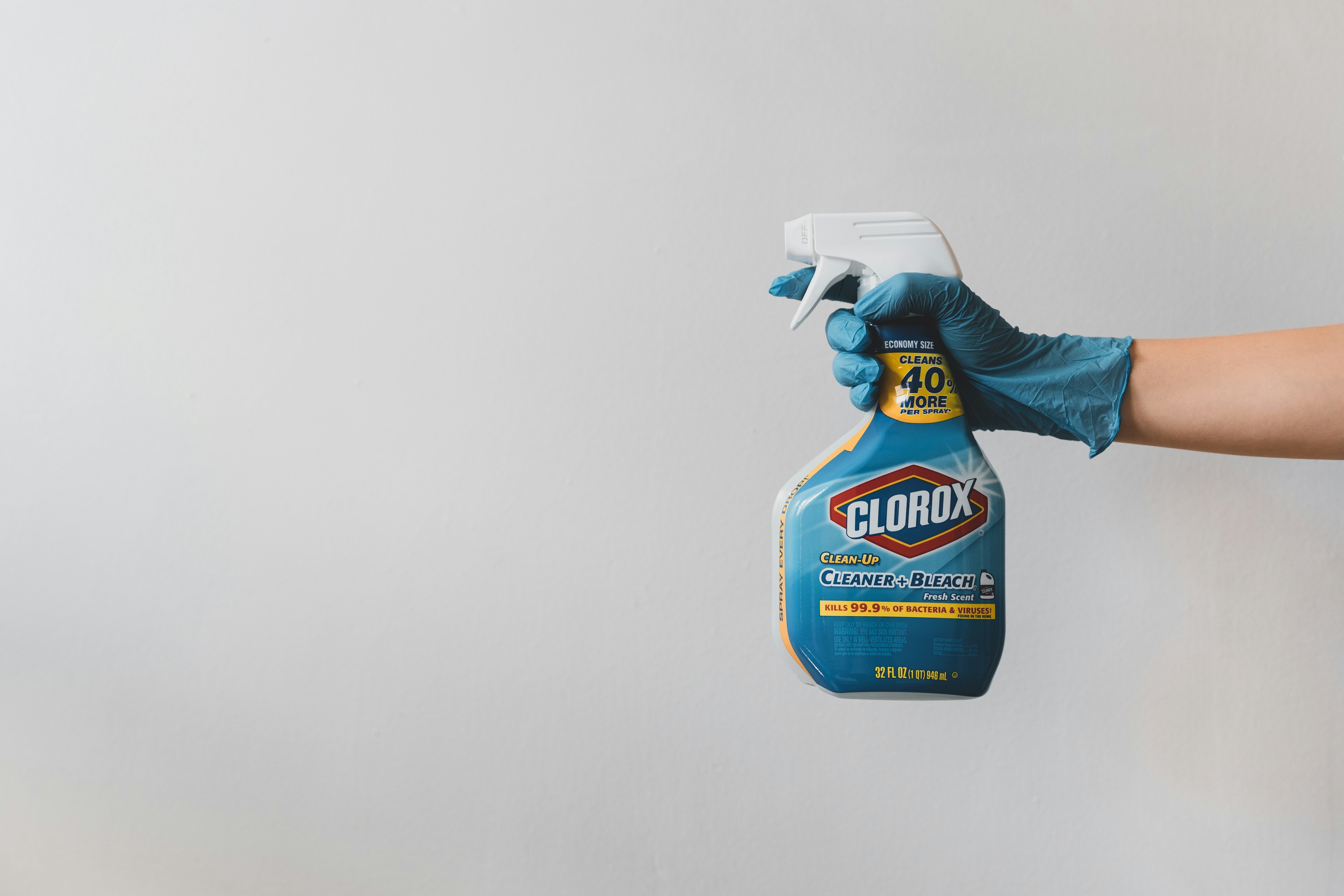
HOCl is related to hypochlorite compounds, including sodium hypochlorite, the active ingredient in many household bleach products. However, hypochlorous acid solutions and bleach solutions are not interchangeable. They can differ in chemical formulation, concentration, acidity, stability, and approved applications. Household bleach is generally intended for specified hard-surface disinfection or laundry use when diluted and handled according to its label. A product formulated and labeled for skin or another use should not be assumed to work as bleach, and bleach should not be applied to skin or substituted for a personal-care spray.
Always read the product label before using any chlorine-based spray. Products marketed for skin, wound cleansing, food-contact surfaces, or general disinfection may have different directions and regulatory status. The label identifies the intended site of use, whether rinsing is required, appropriate contact time, storage conditions, and any warnings or limits. A spray intended for one purpose may not be authorized or suitable for another, even if its name includes hypochlorous acid. Follow the manufacturer’s instructions, avoid mixing it with other cleaners, and do not rely on broad marketing claims to establish safety or effectiveness. When the intended use is unclear, check the full label and consult a qualified healthcare professional or the relevant product authority. Understanding the distinction between HOCl and hypochlorite solutions helps prevent misuse and supports safer selection of cleaning and personal-care products.
Hypochlorous acid sprays are not all interchangeable. One category is formulated and labeled to disinfect specified hard, nonporous surfaces, such as counters or equipment. Its effectiveness depends on the product’s concentration, contact time, application method, and the microorganisms named on the label. A general claim that a product “kills germs” does not establish effectiveness against every virus, bacterium, or fungus. In the USA, check the label and applicable regulatory authorization, including any required registration, before relying on a surface-disinfection claim.
Other products are marketed for particular personal-care purposes, such as cleansing the skin or refreshing the face. These products may have different ingredients, concentrations, directions, and safety testing from surface disinfectants. A surface product should not be applied to skin, eyes, or other body areas unless its labeling specifically permits that use. Likewise, a product described as gentle or suitable for daily use is not automatically proven to treat a skin condition. Evidence should relate to the exact formulation and intended application, not merely to hypochlorous acid as an ingredient.
A further category is intended for specific wound-care uses. Some formulations may be authorized or supported for cleansing certain wounds, but suitability depends on the product’s labeling and clinical evidence. Do not assume that any hypochlorous acid spray is appropriate for open wounds, pets, food, or eye exposure. For wound products, follow the directions and seek professional advice when uncertain. A spray is not a substitute for established medical care when a wound is serious, worsening, increasingly painful, or showing signs of infection. Online searches, including terms such as “hypochlorites acid spray” or “mmangla.com,” do not verify a product’s quality or approval. Verify the exact product, intended use, and local authorization before use.
Use hypochlorous acid spray according to its own label, rather than relying on a universal dose or routine. Products can differ in concentration, intended purpose, application method, and required contact time. Before use, confirm that the label identifies the item you plan to treat, such as a hard surface, and follow its directions for how much to apply and whether the area should remain visibly wet for a specified period. Check any restrictions, including materials or settings where the product should not be used. Do not assume that advice for one brand applies to another.
Pay particular attention to the distinction between surface products and products intended for skin or wounds. A surface disinfectant is not automatically suitable for personal care, even if its ingredients or name seem familiar. Never spray a product onto skin, into the eyes, or on a wound unless its labeling specifically permits that use. If a product is intended for skin, follow its directions and warnings; seek professional medical guidance for concerns about treating an injury. Avoid using a surface spray in ways not listed by its manufacturer.
Do not mix chlorine-based cleaners or sprays with other cleaning products. In particular, combining them with acids or ammonia can release hazardous gases. Use the product only as directed, and provide ventilation when the label calls for it. Keep containers out of children’s reach, close them securely after use, and store them as instructed, away from incompatible products and unsuitable heat or light. Follow label guidance for protective equipment, spills, first aid, and disposal; do not pour leftovers down a drain unless the instructions or local rules allow it. If directions are unclear, contact the manufacturer or choose a product with instructions suited to the intended task. Careful label checking helps ensure the spray is used only for its approved purpose and reduces avoidable exposure risks.
When choosing a hypochlorous acid spray, check the label rather than relying on the product name or advertising. Confirm that hypochlorous acid is the active ingredient and note its stated concentration. Make sure the product is intended for your specific use, such as skin or surface application; products are not automatically interchangeable. Read the complete directions, including application frequency and any instructions to rinse or avoid particular areas. Review warnings, expiry date or stated shelf life, and the manufacturer’s name and contact details. If the product makes regulated claims, check whether it has the relevant registration or authorization for that use in your location, including applicable U.S. requirements.
Packaging and storage instructions matter because light, heat, contamination, and time may affect some formulations. Keep the spray in its original container, follow the temperature and light guidance on the label, and close it securely after use. Do not transfer it to an unmarked bottle or touch the nozzle to skin, eyes, or other surfaces if the directions advise against this. Check the expiry information before use, and follow any guidance about discarding the product after opening. If the container is damaged, the liquid looks or smells unexpectedly different, or storage conditions are uncertain, contact the manufacturer or a qualified professional before using it.
Ask a qualified healthcare professional for advice if you have sensitive skin, known allergies, eye concerns, a chronic condition, or uncertainty about whether the product is suitable for you. Seek guidance before using it on a child, and consult a veterinarian before applying it to a pet. Follow product-specific directions and do not assume that a spray intended for one person or purpose is appropriate for another. If irritation or another unexpected reaction occurs, stop using the product. Rinse or otherwise respond as directed on the label, and contact a healthcare professional, poison control service, or veterinarian as appropriate. Seek urgent care for severe symptoms, breathing difficulty, or significant eye exposure.