
The Basics of a Latte
A latte is a popular coffee beverage that combines espresso and steamed milk, creating a creamy and smooth texture that is both satisfying and enjoyable. Traditionally, a latte consists of one part espresso and three parts steamed milk, finished with a thin layer of milk foam on top. This delicate balance of ingredients is what gives a latte its signature taste and mouthfeel, making it a favorite among coffee enthusiasts.
The core components of a latte are simple yet essential. The espresso serves as the base, providing a robust coffee flavor with a slight bitterness that is complemented by the sweetness of the steamed milk. The steaming process not only heats the milk but also incorporates air, resulting in a velvety microfoam that enhances the overall experience. Quality ingredients are crucial, as using fresh, high-quality coffee beans and milk can significantly improve the flavor profile of the finished drink. For those interested in how to make a latte at home, selecting the right ingredients is a fundamental step.
In addition to the classic latte, there are numerous variations that have become popular over the years. Flavored lattes, such as vanilla, caramel, or hazelnut, can be created by adding syrups or flavorings. Some coffee aficionados explore plant-based milks, like almond or oat milk, which can alter the taste and texture of the drink, catering to different dietary preferences. Moreover, experimentation with the espresso-to-milk ratio can lead to unique creations that provide a different taste experience while still maintaining the integrity of the latte. As you embark on your journey of how to make a latte at home, understanding these basics will help you craft the perfect cup.
Essential Tools and Ingredients
When venturing into the art of how to make a latte at home, it is crucial to equip yourself with specific tools and ingredients to ensure a successful outcome. The first essential tool to consider is an espresso machine. This device is vital for brewing the rich espresso base that forms the heart of any latte. Alternatively, if you prefer a more budget-friendly option, a stovetop espresso maker can also yield satisfactory results.
Another indispensable tool is a milk frother. Frothing milk is a key component in achieving that creamy, velvety texture that characterizes a perfect latte. There are various types of frothers, ranging from handheld manual frothers to electric steamers, each providing different levels of convenience and foam quality.
In addition to your equipment, a high-quality coffee grinder is essential if you are using whole coffee beans. Freshly ground coffee enhances the taste of your latte significantly, making it more aromatic and flavorful. When selecting coffee beans, it is advisable to choose a blend specifically intended for espresso, as these beans typically provide the best flavor profile.
Regarding the ingredients, the primary component of a latte is milk. The choice between whole, skim, or non-dairy alternatives, such as almond or oat milk, depends on personal preference and dietary restrictions. Whole milk generally produces a creamier texture, whereas non-dairy options may offer unique flavors and lower calories.
Finally, you may wish to personalize your latte by incorporating flavorings or syrups. Vanilla, caramel, or hazelnut syrups are popular additions that can elevate your drink. By carefully selecting the right tools and ingredients, you will be well-equipped to forge your way into the world of home lattes.
Step-by-Step Latte Preparation
Creating a latte at home can be both enjoyable and rewarding. To begin, you must first prepare the espresso. Using an espresso machine, measure approximately 18 to 20 grams of freshly ground coffee beans. Ensure the coffee is tamped down evenly to allow for optimum extraction. Brew the espresso for about 25 to 30 seconds to yield a rich, concentrated shot. You can enhance your experience by sourcing the finest beans, as high-quality espresso will significantly improve the overall taste of your latte.
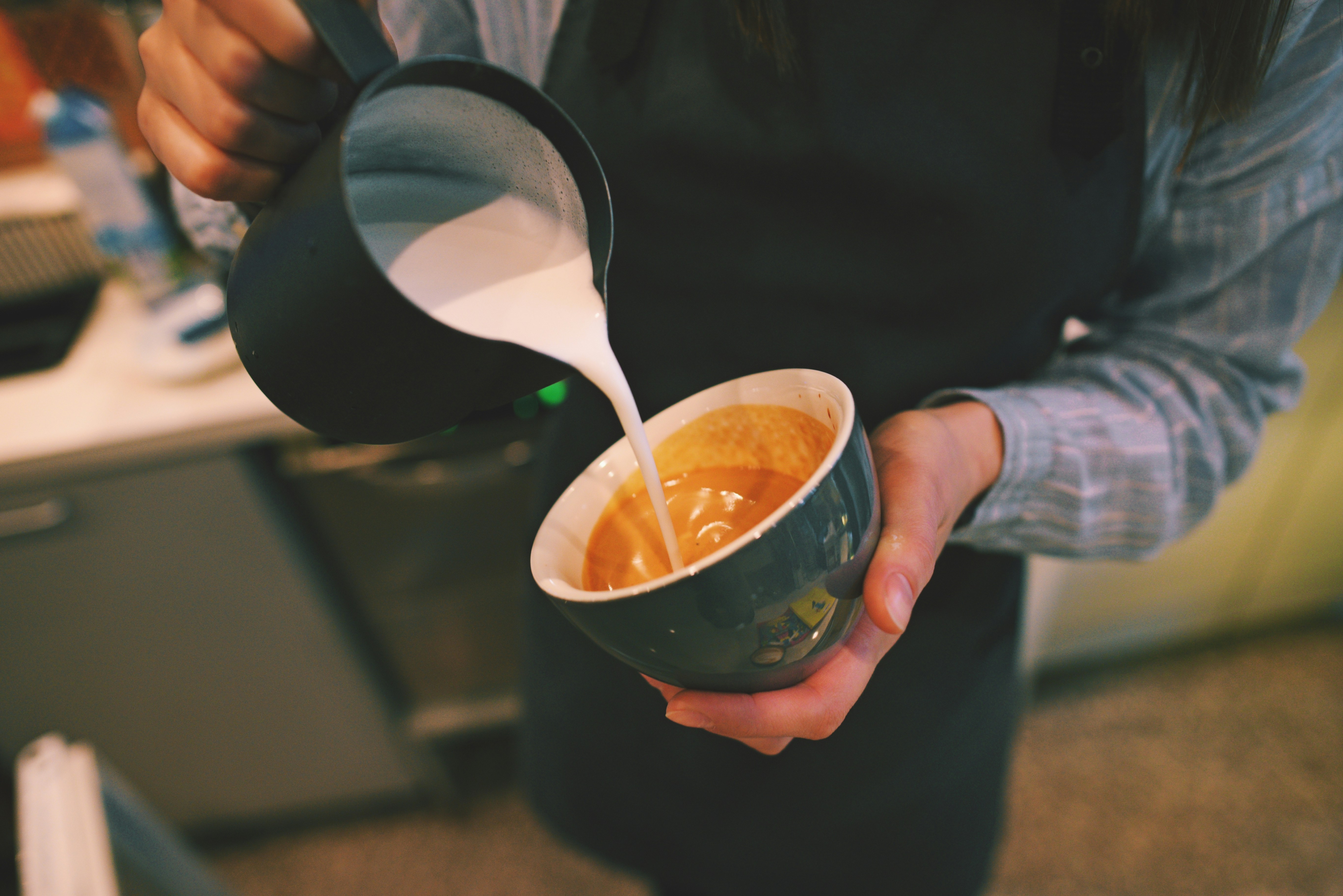
The next step involves steaming and frothing the milk. Choose whole milk for a creamier texture, although any milk can be used based on personal preference. Pour about 6 to 8 ounces of milk into a steaming pitcher. With the steam wand of your espresso machine, submerge the tip just below the surface of the milk. Turn on the steam to create froth and continue until the milk reaches around 150°F to 160°F (65°C to 70°C). Aim for a velvety texture, characterized by microfoam. A thermometer can help you achieve the perfect temperature.
Finally, assemble your latte by combining the brewed espresso with the frothed milk. Start by pouring the espresso into a pre-warmed cup. Gently pour the steamed milk over the espresso, allowing the foam to rise to the top. For an artistic touch, you may create latte art by manipulating the flow of the milk. A barista’s technique can yield designs such as hearts or rosettas, enhancing the visual appeal of your homemade latte.
To conclude, taking these steps will empower you to brew a delightful latte at home, making use of techniques that can elevate even a novice’s skills into the realm of espresso artistry.
Personalizing Your Latte Experience
Creating the perfect latte at home is not just about brewing coffee and frothing milk; it also involves personalizing your drink to match your specific taste preferences. By exploring different flavors, milk options, and presentation techniques, you can make each latte a unique experience.
Start by experimenting with flavor variations. Common additives include vanilla, caramel, or mocha syrups that can elevate the taste of your latte. If you prefer a bolder taste, consider adding a shot of espresso or using dark chocolate for a mocha latte. For a lighter option, a dash of cinnamon or nutmeg can add a delightful warmth to your drink.
Next, consider the type of milk you use. Traditional lattes are made with whole milk, but alternatives such as almond, soy, or oat milk can provide different flavor profiles and textures. Each type of milk froths differently, allowing you to customize not just the taste, but also the creamy consistency of your latte. For those with dietary restrictions or preferences, it’s worth exploring these alternatives. Some may even prefer the richness of coconut milk, which adds a tropical twist.
Presentation is also key when learning how to make a latte at home. Take the time to create latte art—this can be achieved by carefully pouring the frothed milk into your coffee. Start with basic shapes, like hearts or rosettes, and gradually incorporate more intricate designs as you become skilled. The visual appeal enhances your coffee experience and can make your latte feel even more special. You might also consider using a colorful mug or adding a sprinkle of cocoa or whipped cream on top for added flair.
By incorporating various flavors, selecting the right milk, and perfecting your presentation, you can tailor your latte experience to your liking. Each cup can be a reflection of your personal taste, making your home-brewing adventure even more enjoyable.
very good very best