
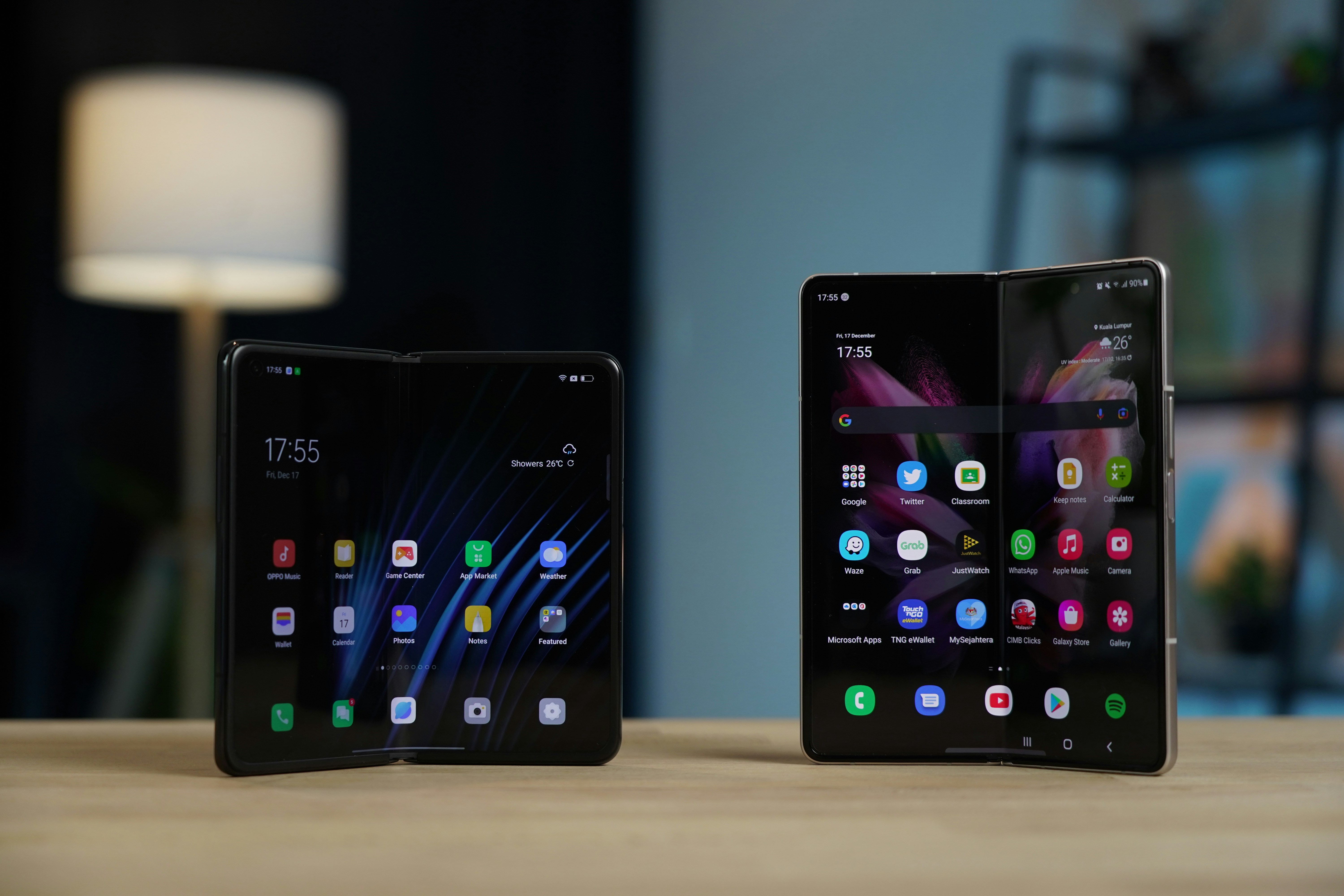
The comparison between the Samsung Galaxy Z Fold 8 and the anticipated “iPhone Duo” is not simply a contest between two specification sheets. It represents a choice between different ideas about how a phone can expand beyond a conventional screen. Samsung’s book-style foldable design has an outer display for quick, phone-like use and an inner display that opens to provide a larger, tablet-like workspace. Apple’s rumored Duo name, by contrast, has been associated with speculation about a folding iPhone or a device with two displays; its final design, if the product exists, remains unknown.
That uncertainty matters when evaluating the Samsung Galaxy Z Fold 8 vs iPhone Duo. At the time of comparison, the name, specifications, price, and release timing of an iPhone Duo may not be officially confirmed. Reports and concept images can suggest possible features, but they are not equivalent to announcements from Apple. Likewise, details attributed to an unreleased Galaxy Z Fold 8 should be treated as provisional until Samsung publishes them. Buyers should separate confirmed information from leaks rather than base a decision on assumed screen dimensions, cameras, durability, or software capabilities.
The central form-factor question is how a larger display would fit into everyday routines. A book-style foldable can make reading, multitasking, video viewing, and working with compatible apps more comfortable, while still folding into a single device. A dual-screen concept might prioritize other uses, but without official details, it is too early to know how its displays would connect or which tasks it would support. Neither approach is automatically better: the practical difference depends on app support, portability, and how often the expanded screen would be useful.
Ultimately, the right choice will depend on daily needs, preferred software ecosystem, expected price, and willingness to adopt unfamiliar hardware. Someone who values a proven foldable format may assess Samsung’s established design and current software experience. Someone invested in Apple’s services may prefer to wait for verified product information before comparing options. For either buyer, patience can help distinguish a genuine advantage from speculation surrounding a new device category.
Physical design may be the first major difference in the Samsung Galaxy Z Fold 8 vs. iPhone Duo comparison, but neither device’s final dimensions should be assumed before official specifications are announced. The Fold 8 is expected to follow Samsung’s book-style foldable approach, with an outer display for routine phone tasks and a larger inner screen that opens for more expansive use. An iPhone Duo remains an unconfirmed design concept, so its proportions, construction, and even whether it would fold or use two connected panels are unknown. Treat leaks and speculative renders as provisional rather than definitive.
For everyday portability, compare closed thickness and weight alongside width and balance. A foldable can feel substantial in a pocket or during prolonged one-handed use, while a narrower outer screen may be easier to grip but less comfortable for typing. Check whether the closed device works well for calls, messages, navigation, and quick tasks without requiring it to be opened. The hinge is another practical consideration: examine how smoothly it moves, whether it holds multiple angles, and how securely the two halves align. More moving parts and a flexible display may bring different wear considerations than a conventional phone, although real-world durability depends on the finished design and testing.
The Fold 8’s inner display could make reading, video viewing, multitasking, and document work more comfortable by providing additional screen area. A hypothetical iPhone Duo might instead emphasize familiar iPhone proportions or offer a distinct two-panel experience; its usability cannot be judged until Apple confirms a product. At launch, compare both screens’ diagonal size and aspect ratio, outdoor brightness, refresh rate, and readability at common viewing angles. For a foldable, inspect crease visibility in varied lighting and assess whether the outer display feels spacious enough for daily use. Also review published resistance ratings for water and dust, plus guidance on protecting the display from scratches and everyday wear. These details, rather than the novelty of a folding mechanism alone, determine how convenient each design is to carry and use.
In the Samsung Galaxy Z Fold 8 vs iPhone duo decision, software may shape daily use as much as the hardware. Samsung’s Android-based foldable interface is expected to emphasize flexible layouts, with split-screen tools that can keep a document open beside a video call. Buyers should test how easily they can resize windows, drag content between apps, and move a task from the outer display to the larger inner screen. Apple’s iOS approach may offer a more consistent interface across devices, while its ecosystem can make handoffs between an iPhone, Mac, iPad, and Apple Watch especially convenient. The practical difference depends on the apps and workflows a person uses.
App continuity is central to any foldable comparison. For example, check whether a map remains usable when switching from the cover screen to the expanded display, and whether a photo-editing app adapts its controls to the larger canvas. Samsung may appeal to users who value customization and productivity features, including support for a stylus if the final device and software provide it. Apple’s expected strength is coordination across its own products and a familiar interface, though buyers should verify which apps support the specific tasks they need. Try editing a document during a call, then switching screens, rather than relying only on feature lists.
Cameras, battery life, charging, and processor performance should be treated as launch-day comparison points, not assumed advantages. Compare real-world photo quality in daylight and low light, portrait results, video stabilization, and camera access from both phone and expanded modes. Assess battery endurance under similar use, including navigation, streaming, and multitasking, and check charging speed and available charging options against official specifications. Performance testing should reflect demanding apps and sustained use, while app optimization matters because not every title may take full advantage of a foldable screen. A strong processor cannot compensate for software that feels awkward, just as polished integration cannot replace the camera or battery experience a buyer needs. Evaluate the complete workflow, including accessory compatibility and how often you will use each device’s distinctive features, before choosing.
Price and availability may be decisive, but neither should be treated as settled until manufacturers publish official details. The iPhone Duo’s price and release schedule may remain unconfirmed, so buyers should avoid relying on rumors when planning an upgrade. The Samsung Galaxy Z Fold 8’s eventual price and launch timing also require confirmation. In general, early-generation foldable devices can carry a premium, reflecting new hardware and limited time in the market. Consider whether the expected benefits justify paying more than you would for a conventional flagship phone.
A practical way to approach the Samsung Galaxy Z Fold 8 vs. iPhone Duo decision is to start with daily use. The Fold 8 may suit people who value a large inner display for reading, multitasking, or viewing media, along with Android flexibility and foldable features refined across previous generations. Waiting for the iPhone Duo may make sense for buyers who prefer Apple’s ecosystem or are especially drawn to its anticipated design. If it is a first-generation product, however, its durability in everyday use and the quality of its software support will need to be assessed after release.
Once both devices are available, compare official specifications with independent reviews rather than relying on promotional claims alone. Look for long-term testing of hinge performance, screen resilience, battery life, and app behavior. Check warranty terms, repair coverage, service availability, and trade-in offers, since these can materially change the effective purchase price. Calculate total ownership cost, including accessories, insurance, repairs, and any ecosystem subscriptions you already use or may need. A lower listed price does not always mean a less expensive device over several years.
There is no universal winner: the right choice depends on the features you will use regularly and the compromises you are willing to accept. Choose the established foldable approach if a spacious screen and Android options are priorities; consider waiting if Apple integration and the Duo’s particular design are more compelling. Reviewing real-world evidence after launch can help turn a speculative comparison into a decision grounded in your needs and budget.