
A Complete Guide on how to make Musics and Songs Using AI
An idea can begin with almost anything: a feeling, a brief story, a striking image, a rhythm, a chord pattern, or a short musical phrase. Capture the spark before it disappears by recording a voice memo, writing a lyric fragment, humming into your phone, or improvising on an instrument. Do not judge its quality yet. Instead, ask what the idea suggests: Is it intimate or expansive, playful or tense? Who might listen, and what should they feel, imagine, or remember afterward? A clear intended experience gives the first draft a useful direction without locking every detail.
Choose a genre and mood that support that direction, then collect a few reference tracks to clarify possibilities. Listen for broad qualities such as energy, instrumentation, pacing, or atmosphere—not material to reproduce. You might note how a reference builds tension or balances sparse verses with a fuller chorus, while developing different melodies, lyrics, and sounds of your own. A simple creative constraint can also help: write using only three chords, build a beat around one unusual sound, or limit the first verse to a particular point of view. Constraints narrow choices and encourage experimentation.
Many songs use an intro, verses that develop the story, a chorus that carries the central message, and a bridge that introduces contrast before the ending. These parts are options, not rules; arrange them to serve the idea. Instrumental music can create shape through recurring themes or motifs, contrasting sections, and transitions that guide the listener between them. As you explore, look for a memorable hook—a lyric, melody, rhythm, or instrumental figure that gives the piece a center. Let it guide what comes next, but treat early drafts as discovery rather than a test of perfection. Record promising variations, keep useful fragments, and follow the details that make the idea feel distinctive.
A song’s foundation emerges when its lyrics, melody, harmony, and rhythm serve the same emotional purpose. Begin with a central theme and a clear point of view: who is speaking, to whom, and what has changed? Specific details, such as a missed train or an unopened letter, make an idea feel lived-in rather than abstract. Shape verses around scenes, actions, and development; let each add information or deepen the situation instead of restating it.
A chorus usually delivers the concise emotional payoff. Distill the song’s central feeling into memorable language, then use natural phrasing that sounds convincing when spoken as well as sung. Read lines aloud to catch awkward stresses and crowded syllables. The melody can reinforce meaning through repetition, variation, and contour: a rising phrase may suggest urgency, while a falling one can feel reflective. Keep the range comfortable and the rhythm singable. Record several melodic alternatives before settling; a small change in note length or pitch can make a line more expressive.
Chords are groups of notes that provide a song’s harmonic setting, while a key identifies the notes and chord relationships that tend to feel at home. A progression is the sequence of chords beneath a melody. Movement away from a stable chord can create tension; returning to it offers resolution. Simple progressions can still sound distinctive when chords use different voicings, when the bass moves unexpectedly, or when changes arrive in an interesting rhythm. Choose harmony that supports the lyric’s mood without crowding its melody.
Tempo is the music’s pace, meter organizes beats into recurring groups, and groove is the feel created by their timing and emphasis. Consider how the vocal or lead part sits against drums, bass, or strummed accompaniment: it might align closely, leave space, or play against the beat. Listen for competition as you revise. If a lyric feels rushed, simplify its wording or adjust the rhythm; if the melody obscures a key phrase, change its contour or harmony. Treat every element as part of one arrangement, testing revisions together until the song feels coherent and natural.
Begin by deciding what the song needs beyond its basic demo. Add parts that complement the melody and rhythm rather than simply doubling them: a bass line can anchor the harmony, percussion can establish a pulse, and a keyboard, guitar, or backing vocal can add color. Give each instrument a clear role, and listen for crowded frequency ranges or competing rhythms. A sparse verse followed by a fuller chorus creates contrast; changes in dynamics, layered textures, and brief transitions can also guide the listener through the track. Build gradually, removing parts when they do not strengthen the song.
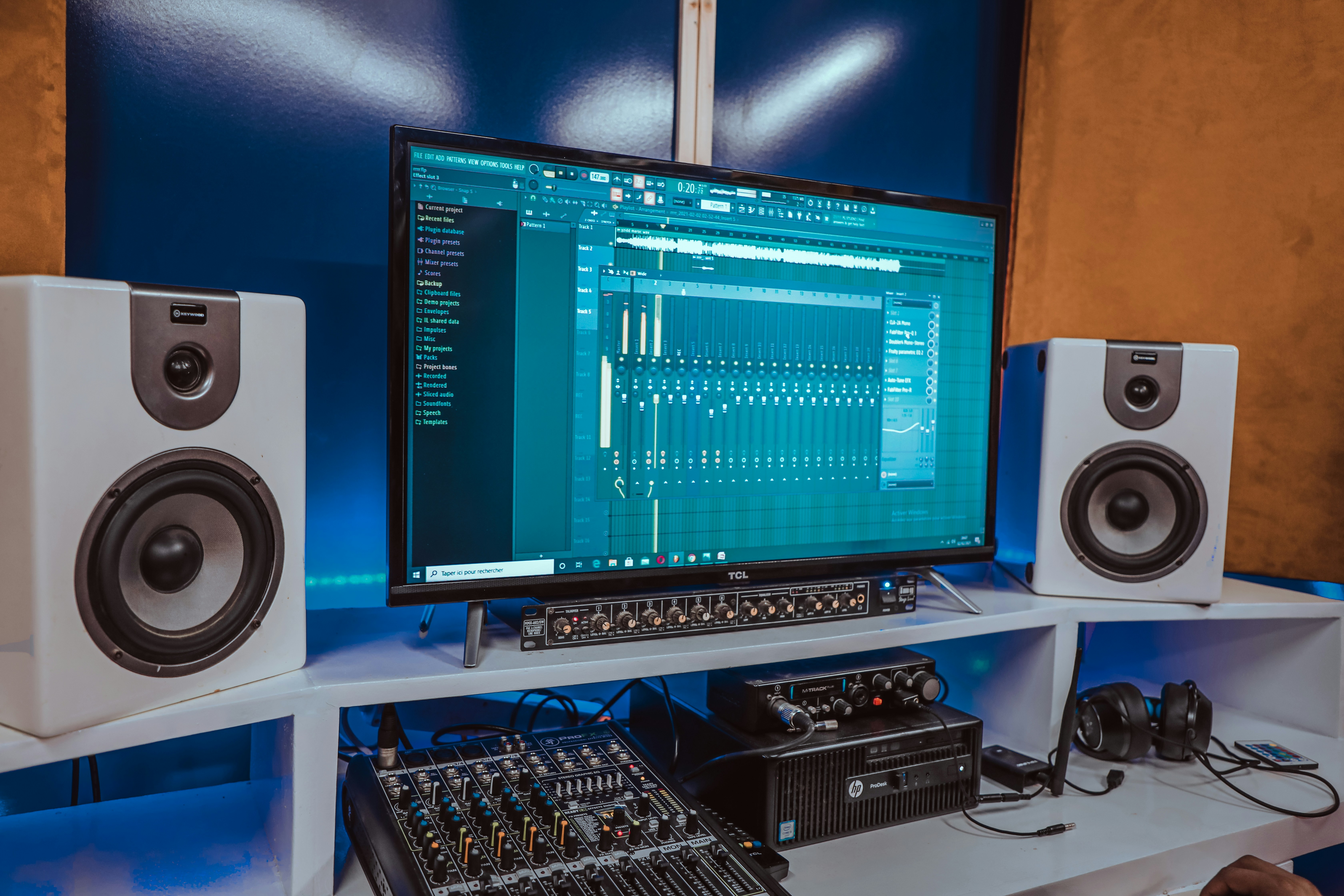
Recording can take place with a band, acoustic instruments, a computer, or a combination. Choose a quiet, suitable room and position a microphone to capture the source clearly; for electronic instruments, connect an appropriate direct input. Check levels before recording so peaks do not distort, then capture a guide performance to establish tempo, structure, and feel. Record several takes where useful, keeping performances consistent and leaving room for expression. Organize files with clear names, dates, and track labels, and save backups. A digital audio workstation (DAW) makes it possible to record, edit, and mix on a computer, while MIDI can capture editable notes for virtual instruments. Neither is essential: simple recording tools and thoughtful musicianship can produce effective music.
During production, prioritize clean, expressive performances. Edit timing or tune notes only as needed, preserving a natural feel. Select sounds that serve the arrangement, then balance levels and use panning to create space. Equalization can reduce masking or shape tone; compression can control dynamics, while effects such as reverb and delay add depth when used with purpose. Compare the mix on reliable headphones or speakers at a sensible volume, taking breaks to keep your judgment fresh. Make adjustments in context rather than adding plugins by default. Clear parts, strong performances, and deliberate arrangement usually matter more than expensive equipment or a long effects chain. Review the full track from start to finish, checking that every section develops naturally and the main musical ideas remain easy to hear.
After drafting a song, step away long enough to hear it with fresh ears. Then listen on headphones, studio or home speakers, and an everyday device such as a phone or car stereo. Each playback reveals different details: headphones may expose clicks or harsh sounds, while small speakers can show whether the bass and vocal remain clear. Ask whether the hook is memorable, the lyrics are understandable, the melody carries the intended emotion, and the arrangement supports that feeling. Note distractions before editing, and distinguish essential changes from personal preferences.
Turn those notes into a short revision list, then work through a defined finishing process. Finalize the arrangement first so later decisions are based on the song’s settled structure. Clean up edits, remove unwanted noise, and check transitions. Balance the mix, then use processing such as equalization or compression only where it improves clarity, dynamics, or character. Mixing shapes the relationships among the recorded elements; mastering prepares the finished mix for consistent playback and delivery. Both should serve the song, not simply make it louder.
Compare your mix with suitable reference tracks, matching playback loudness so that a louder version does not seem automatically better. Check the required delivery format, including file type, sample rate, bit depth, and any platform-specific instructions, before exporting. Save a clearly named final file and listen to it from beginning to end. To avoid endless tweaking, set a revision limit, schedule a completion date, and keep a separate list of ideas for future work. A first track need not be perfect to be finished; completing it builds practical skills that an unfinished project cannot.
When ready, share the song privately with trusted listeners or publish it through an appropriate platform. Ask specific questions about the parts you are unsure of, and consider responses as useful perspectives rather than instructions to follow blindly. Keep organized backups of the project, audio files, and final exports in more than one location. Record what worked, what proved difficult, and what you would change next time. Listener reactions and your own review can then guide the next song, turning each finished track into a clearer starting point for continued improvement.