
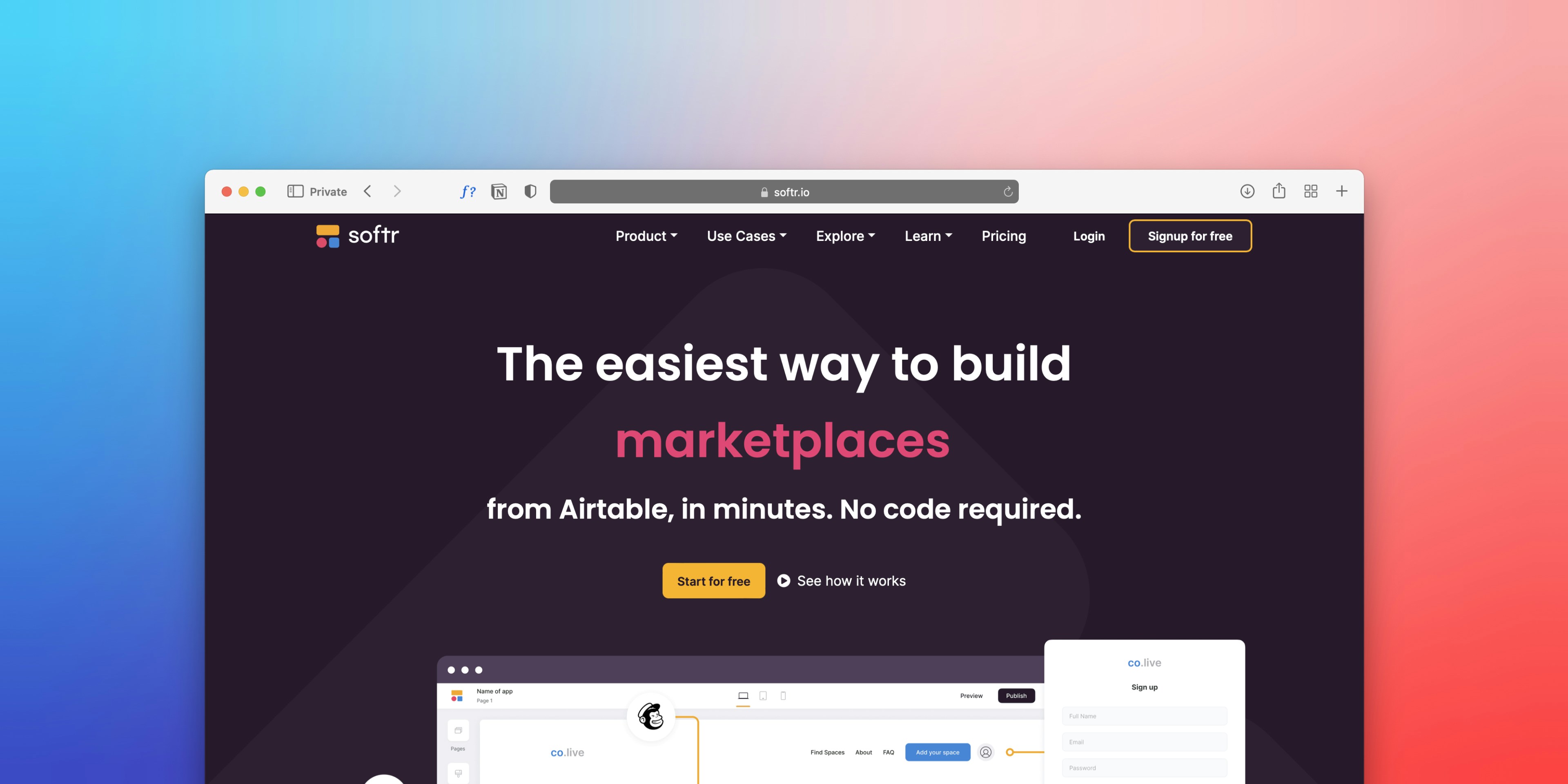
Understanding No-Code Platforms
No-code platforms have emerged as a revolutionary solution in the realm of web development, allowing individuals and businesses to create websites and applications without the need for traditional coding skills. These platforms empower users to build functional digital products through intuitive graphical user interfaces and drag-and-drop features, making the development process accessible to a wider audience. The growing trend of utilizing artificial intelligence in no-code tools has further enhanced their capabilities, enabling users to leverage advanced functionalities that were previously reserved for those with extensive coding knowledge.
The integration of AI technology within no-code platforms simplifies the creation process, offering features such as automated design suggestions and intelligent content generation. Users can effectively harness these tools to streamline project workflows, reducing both time and effort associated with traditional programming methods. For example, a user looking to create an e-commerce site can utilize AI-powered templates and plugins that optimize the user experience and enhance site performance, without writing a single line of code.
Key features of no-code platforms often include pre-built templates, customizable workflows, and collaboration tools that foster teamwork among developers and non-developers alike. These attributes not only facilitate rapid prototyping but also enable iterative design processes, further encouraging innovation. As more individuals recognize the potential of tools that allow them to learn how to make websites without coding, platforms such as those found on mmangla.com and google.com are leading the way. The no-code movement represents a paradigm shift in web development, where creativity is limited only by the user’s imagination rather than their programming expertise.
AI Tools for Website Creation
In recent years, the rise of artificial intelligence has revolutionized the way individuals approach web development. For those who may not possess coding skills, numerous AI-powered tools offer a viable solution to create websites effortlessly. These platforms primarily utilize intuitive, user-friendly interfaces that allow users to design and launch their websites without the need for programming expertise.
One of the leading tools in this domain is Wix ADI (Artificial Design Intelligence). This tool simplifies the website creation process by asking users a series of questions regarding their preferences and goals. Based on the responses, Wix ADI generates a custom website, complete with layouts, images, and even text suggestions, ensuring that users can have a professional-looking site in a matter of minutes. The flexibility of these templates allows for easy customization as well.
Another noteworthy example is Zyro, which integrates AI-driven tools for image generation and content creation. Zyro’s user-friendly drag-and-drop functionality enables anyone to create a website efficiently. Additionally, its AI Heatmap feature analyzes user behavior to advise on optimal layout designs that enhance user engagement. This capability underscores how AI can significantly optimize the website creation process.
Squarespace is also regarded as a strong contender, boasting beautifully designed templates and AI features that assist users in personalizing their sites. Its AI design assistant helps newcomers refine their vision by recommending color palettes and font combinations that align with their design goals.
Moreover, platforms like Shopify utilize AI to streamline e-commerce website creation. Users can set up an online store rapidly, utilizing AI that manages inventory and optimizes product placement and descriptions. Such features highlight how to make a website without coding with AI tools like those found on mmangla.com and google.com, combining technical efficiency with ease of use. Easy-to-learn design software empowers aspiring web creators to establish their online presence without the complexities of traditional coding.
Step-by-Step Guide to Creating a Website with AI
Creating a website without coding has become increasingly accessible, thanks to AI tools. Here, we will provide a detailed step-by-step guide outlining how to make a website without coding using these innovative technologies. The process can be simplified into several key stages: ideation, template selection, customization, and launch.
Initially, it is crucial to define the website’s purpose. This might involve determining the target audience and the kind of content that will be showcased. Once the concept is clear, the next step involves selecting a suitable AI-driven website builder. Platforms such as mmangla.com and google.com provide intuitive interfaces that guide users through the creation process.
After selecting a builder, users should choose a template that aligns with their website’s concept. Most AI tools offer a variety of professionally designed templates, allowing users to select one that best suits their vision. Consideration should be given to the design, layout, and functionality at this stage, as these elements directly impact user experience.
Following template selection, customization is the next significant step. AI tools enable users to modify text, images, and other elements easily. This is where you can inject your branding elements, such as logos, color schemes, and fonts. The AI often provides recommendations for optimizing layout and readability based on user engagement data. Keep in mind that effective content is essential for attracting visitors; therefore, focus on presenting clear and concise information.
After customizing the website, the next step involves setting up essential functionalities. This includes integrating contact forms, social media links, and embedding analytics tools to track performance. Many AI platforms offer easy options for these integrations, making the process streamlined.
Finally, after thorough review and testing, it is time to launch the website. Ensure that all links work and pages load quickly. A successful launch sets the stage for ongoing content updates and improvements based on user interaction analytics. By following this step-by-step process, anyone can effectively utilize AI tools to create a professional-looking website without any coding expertise.
Designing Your Website Aesthetics
The visual appeal of a website is crucial in creating a positive first impression and ensuring user engagement. In the contemporary digital landscape, particularly when exploring how to make a website without coding with AI, integrating effective design elements becomes more accessible through advanced AI tools. These tools not only assist in the creation of visually harmonious color schemes but also help in selecting appropriate font styles and layouts.
When choosing a color scheme, AI-driven platforms analyze existing design trends to suggest combinations that resonate well with target audiences. By automating the selection process, designers can focus on the conceptual aspects while algorithms handle the technicalities. For instance, tools like Adobe Color and Canva provide suggestions based on the psychology of color, making it easier to choose palettes that enhance the brand image.
Font selection also plays a pivotal role in website aesthetics. While it is vital to choose fonts that align with the brand’s voice, AI design tools can provide options that balance readability and visual appeal. Consideration of font pairings, sizes, and styles is crucial, and AI can suggest combinations that are not only stylish but complement the overall web layout.
Layouts are another element where AI shines. Responsive design ensures websites look good on all devices, which is essential given the increasing use of mobile browsing. AI design programs can automate responsive layouts, making it seamless to create versions of a site optimized for different screen sizes without manual intervention. Utilizing grid-based layouts recommended by AI tools ensures a consistent and organized presentation.
Imagery is also vital for creating a compelling design. Platforms like Unsplash and Pexels, integrated with AI, can help users find the right images that align with their design vision. These resources streamline the selection process, providing high-quality visual content that adds depth and interest to the website.
In conclusion, modern AI tools are revolutionizing how we approach how to make a website without coding with AI. By automating the design process and providing intelligent suggestions regarding color schemes, fonts, layouts, and imagery, individuals without technical skills can create visually appealing projects that effectively engage visitors.
Enhancing User Experience with AI
As the demand for creating websites without coding increases, especially through platforms like mmangla.com and google.com, improving the user experience (UX) on these AI-driven sites becomes paramount. The integration of Artificial Intelligence (AI) into web design is transforming how users interact with digital platforms, fostering a more intuitive and engaging environment.
One of the most significant features that enhance UX is the implementation of chatbots. Chatbots can provide immediate responses to user inquiries, offering help and guidance in real time. This capability not only improves customer service but also keeps visitors engaged on the website, encouraging them to explore further. By utilizing AI-driven chatbots, site owners can create a conversational interface that makes it easier for users to navigate and receive information tailored to their needs.
Additionally, personalized content recommendations significantly contribute to a positive user experience. Through machine learning algorithms, AI can analyze user behavior and preferences, delivering customized suggestions for articles, products, or services that might interest individual visitors. This tailored approach not only enhances engagement but also increases the likelihood of conversions, as users are presented with content that resonates with their interests.
Analytics are another vital component of enhancing UX on websites built using AI. With comprehensive data analysis, site owners can gather insights about user activities, preferences, and pain points. Understanding how visitors interact with the site allows for continuous optimization, ensuring the website evolves to meet user expectations. By tracking metrics such as page views, session durations, and user flows, website creators can make informed decisions on design modifications and content strategies.
In conclusion, incorporating AI technologies into web development provides numerous opportunities to enhance user experience. Features such as chatbots, personalized recommendations, and analytics are instrumental in creating an engaging, interactive environment that draws users in and keeps them returning. Leveraging these tools effectively can significantly improve how to make a website without coding, ensuring that even those without technical skills can create compelling digital experiences.
Optimizing Your Site for SEO Without Coding
In today’s digital landscape, ensuring your no-code website ranks well on search engines is crucial for visibility. Fortunately, there are numerous strategies to enhance your SEO efforts without the need for coding expertise. One of the primary aspects of SEO is the quality of content. AI tools can assist in creating engaging, relevant, and keyword-rich content that appeals to both users and search engines. For instance, utilizing platforms like mmangla.com can provide insights into effective content strategies that naturally integrate the focus keyword, “how to make a website without coding with AI,” improving your website’s optimization.
Furthermore, AI tools can automate the generation of essential SEO components, such as meta descriptions and titles, which are necessary for on-page optimization. These elements allow search engines to understand the context of your pages, enhancing the chance of ranking higher in search results. Tools that leverage artificial intelligence can analyze competitors’ keywords, helping you select the best phrases to target, thereby optimizing your site for search engines more efficiently.
In addition to content creation, image optimization is another critical factor in SEO. AI-based image compressors and optimizers can help you reduce file sizes while maintaining quality, enabling faster loading speeds. Additionally, providing alt text for images through AI can improve your site’s accessibility and visibility on image searches.
Adopting structured data markup can further boost your website’s SEO. No-code platforms often allow integration of structured data snippets that help search engines understand the hierarchy and context of your content. By implementing these techniques, you can significantly enhance the searchability of your site.
Thus, leveraging AI tools not only simplifies the process of building a website without coding but also ensures that your site is effectively optimized for search engines. By focusing on quality content, efficient on-page elements, and overall site structure, you can achieve improved visibility and performance in search engine results.
Integrating E-commerce Solutions Using AI
In recent years, the use of artificial intelligence (AI) in web development has rapidly transformed how businesses approach e-commerce. For individuals seeking to learn how to make a website without coding, AI tools offer an accessible and efficient method to achieve this goal. By leveraging AI platforms, anyone can create fully functional e-commerce websites equipped with essential features such as payment gateways, product displays, and shopping cart functionalities.
One of the most significant advantages of utilizing AI for e-commerce website creation is the ease of integrating payment gateways. With a range of AI-driven tools available, users can select robust payment processing solutions that support various payment methods, including credit cards, PayPal, and digital wallets. These platforms facilitate secure transactions, ensuring a seamless shopping experience for customers while protecting sensitive financial information.
In addition to payment solutions, AI tools simplify the process of designing product displays. Users can easily upload high-quality images, manage inventory, and categorize products through intuitive dashboards. AI-driven suggestions for optimal layout designs and visual merchandising further enhance the shopping experience, making it more engaging for customers. This personalization not only improves user engagement but can significantly increase conversion rates.
Moreover, implementing shopping cart functionalities has never been easier. Many AI-driven website builders now offer pre-built templates and customizable shopping cart features that can be configured with just a few clicks. This automation saves time and reduces the need for technical skills, aligning with the goal of demonstrating how to make a website without coding.
As e-commerce continues to deepen its roots in the digital landscape, leveraging AI tools for website creation will serve as an essential resource for entrepreneurs. The combination of ease-of-use and powerful features enables anyone to build and manage a successful online store without the traditional challenges associated with coding.
Common Challenges and Solutions in No-Code Development
While no-code AI tools provide an accessible entry point for individuals seeking to create websites without extensive programming knowledge, users may encounter various challenges during their journey. Understanding these potential hurdles can empower users to navigate them effectively, thereby enhancing their overall experience.
One of the most common challenges faced is the limitation of customization options. While many no-code platforms offer pre-designed templates, users may find it difficult to achieve their desired aesthetic or functional modifications. A practical solution involves utilizing CSS (Cascading Style Sheets) where available, to inject personalized styles. Some platforms also provide the ability to customize templates, so researching the specific capabilities of the chosen tool will aid in overcoming this limitation.
Another frequent issue is the integration of third-party applications, which can sometimes be cumbersome. As users seek to expand their site’s functionality by integrating tools from sites like mmangla.com or google.com, they may encounter difficulties in ensuring compatibility. To address this, thorough research on integrations and consulting user forums or community support can provide valuable insights and recommended practices to facilitate smooth integrations.
Additionally, performance issues such as slow loading times can arise if the website is populated with excessive images or unoptimized content. To mitigate this concern, users should focus on optimizing their images through resizing and compression tools, thereby enhancing overall site performance.
Lastly, users may struggle with understanding the analytics and feedback mechanisms provided by no-code platforms. Educating oneself through user guides or video tutorials can significantly improve one’s ability to interpret data and make informed adjustments to the website.
In conclusion, while creating a website without coding presents unique challenges, practical solutions and informed strategies can significantly ease the process. Ultimately, users can confidently utilize no-code AI tools to achieve their project goals by seeking support and leveraging available resources effectively.
The Future of Web Development with AI
As the landscape of web development continues to evolve, the integration of artificial intelligence (AI) and no-code tools emerges as a significant trend. The advent of these technologies is reshaping how individuals and organizations approach the creation of websites, enabling a wider audience to participate in web development without needing extensive coding knowledge. This democratization of technology allows users to focus on creative aspects rather than technical barriers.
In recent years, no-code platforms have gained popularity, empowering users to build functional websites through intuitive interfaces and drag-and-drop features. These platforms often incorporate AI capabilities, making the process even more seamless. For example, tools powered by AI can analyze user data to provide personalized recommendations for design and functionality, streamlining the project development process. By utilizing AI, prospective web creators can focus on their vision, while the technology manages tedious coding tasks and ensures optimal performance.
Looking ahead, it is anticipated that the role of AI in web development will only grow. Predictions suggest that as AI becomes more sophisticated, it will enable advanced features such as natural language processing and automated customer interactions, significantly enhancing user experience. This evolution in web development technology means that even those without a traditional programming background can easily harness these advancements to create effective websites. Furthermore, the increasing reliance on AI-driven analytics will facilitate data-driven decision-making, allowing developers to continuously improve their projects based on real-time feedback.
The implications for non-coders are profound. As tools like those found on websites such as mmangla.com and google.com continue to evolve, they will enable users to transform ideas into fully functional websites, fostering innovation and creativity across various industries. The future of web development, therefore, exemplifies a growing synergy between human creativity and AI capabilities, resulting in a more inclusive digital landscape.