
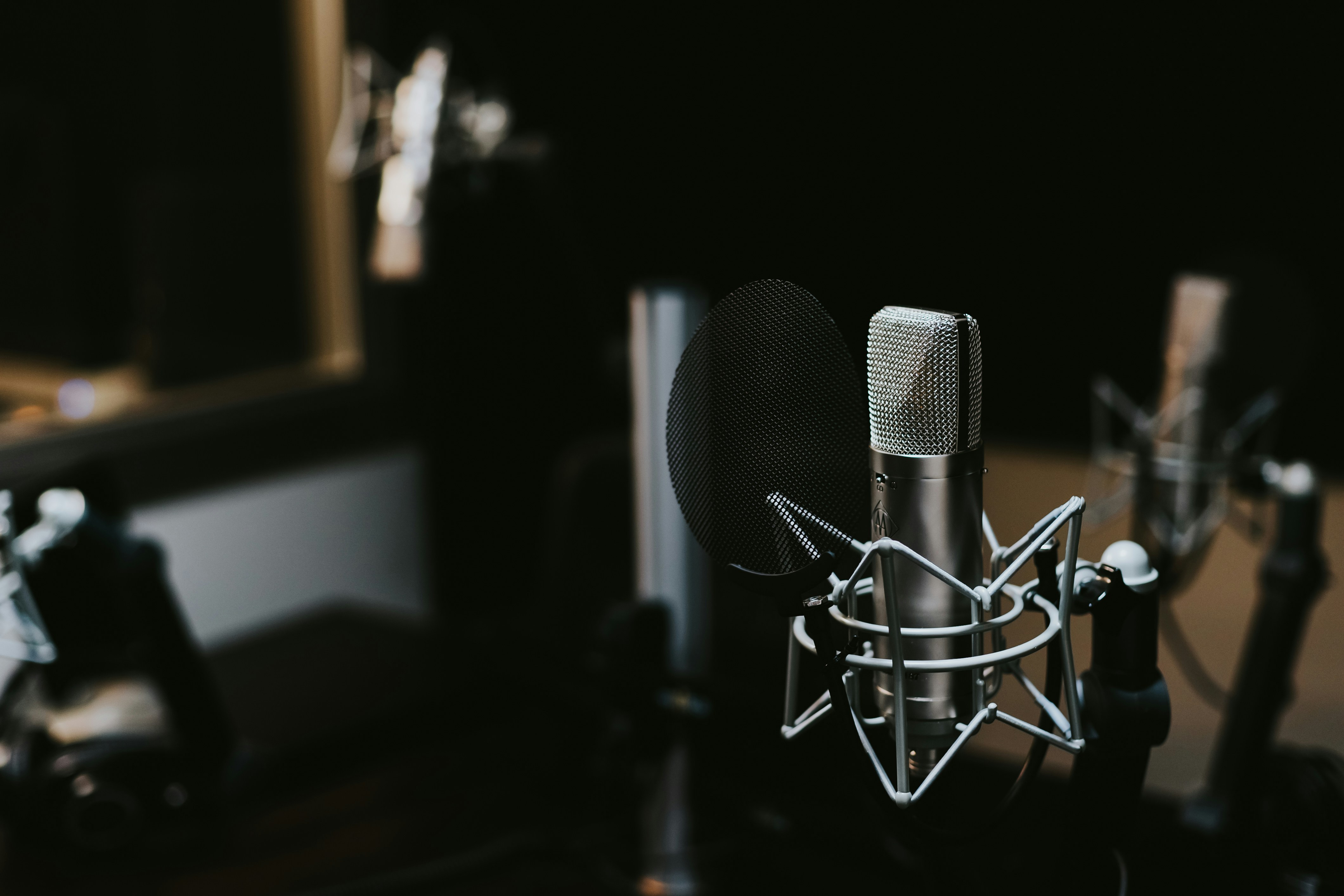


Here is The Best Microphones
Buying an expensive microphone won’t automatically make your voice sound professional. In fact, plugging a super-sensitive studio mic into Getting clean, professional audio comes down to one simple rule: match your microphone to your room, not just your budget.
Step 1: Choose Your Mic Type
- Dynamic Mics (Best for untreated rooms): Built like tanks. They naturally block out background noise like keyboard clicks, PC fans, and room echo.
- Condenser Mics (Best for quiet/treated spaces): Ultra-sensitive. They capture crisp vocal detail and breath, but they will also pick up distant traffic and air conditioning.
- Ribbon Mics (Best for studio music): Delicate and warm. They smooth out harsh high frequencies on instruments and singing.
Step 2: Match the Mic to Your Workspace
- Noisy Bedroom / Gaming Desk: Choose a Dynamic Mic. It only picks up what is right in front of the grille.
- Quiet Home Office: Choose a USB Condenser or Hybrid Dynamic for extra vocal clarity.
- Treated Studio: Choose a Large-Diaphragm Condenser for maximum vocal depth and realism.
Top 5 Microphone Brands Ranked
| Brand | Specialty | Best Known For | Top Models |
| Shure | Podcasting & Broadcast | Zero noise & indestructible build | SM7B, SM7dB, MV7+, SM58 |
| RØDE | Creators & Streamers | Hybrid USB/XLR & low self-noise | PodMic USB, NT1 5th Gen, Wireless PRO |
| Audio-Technica | Home Studios | Crisp studio detail at a fair price | AT2020, AT2040USB, AT4040 |
| Sennheiser | Film & Voiceover | German acoustic precision & shotgun mics | MKH 416, Profile USB, e835 |
| Neumann | Pro Music Studios | Luxury, record-ready vocal warmth | U 87 Ai, TLM 102, TLM 103 |
What Each Brand Does Best
1. Shure (The Podcast & Broadcast King)
- Perfect if your room has echo or background noise.
- The SM7B is the industry standard for podcasts.
- The MV7+ gives you plug-and-play USB-C plus an XLR connection for future upgrades.
2. RØDE (The Modern Creator Favorite)
- Packed with smart tech for YouTubers and streamers.
- The PodMic USB delivers broadcast tone under $100.
- The NT1 (5th Gen) offers virtually unclippable 32-bit float recording.
3. Audio-Technica (The Best Value for Detail)
- The top choice for beginners who want studio-grade condenser clarity without overspending.
- The AT2020 remains the classic entry point for home voice recording.
4. Sennheiser (The Film & Stage Benchmark)
- Trusted on movie sets and broadcast desks worldwide.
- The MKH 416 shotgun mic is the voiceover industry standard.
- The Profile USB is an easy, clean tabletop option for everyday calls and streaming.
5. Neumann (The High-End Studio Legend)
- High-end luxury capsules found in world-class recording studios.
- The TLM 103 and U 87 Ai deliver warm, intimate vocal fidelity that needs almost zero EQ editing.
3 Quick Tips Before You Buy
Get a Boom Arm & Pop Filter: Keeping the mic close to your mouth and off the vibrating desk does more for your sound quality than spending an extra $200 on hardware.
USB vs. XLR: Go with USB for simple plug-and-play solo recording. Choose XLR (or a hybrid mic) if you plan to use an audio interface or multi-mic setup.
Gain Requirements: Heavy dynamic mics like the Shure SM7B require plenty of gain. Make sure your interface has strong preamps or opt for the built-in preamp version (like the SM7dB).