
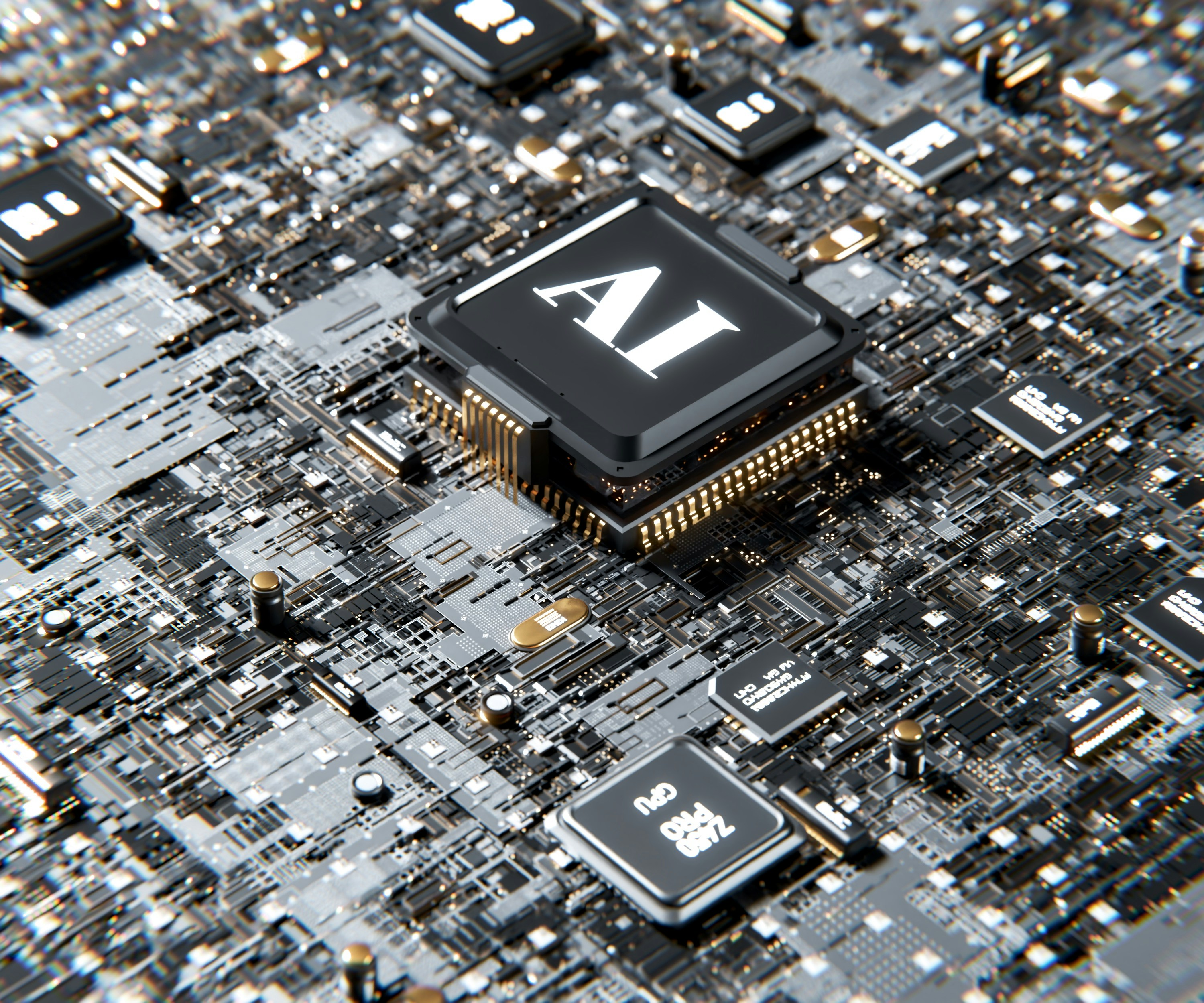
Understanding AI and Machine Learning in Hardware Diagnostics
Artificial Intelligence (AI) and Machine Learning (ML) are integral components of modern diagnostic processes, particularly within hardware systems. AI refers to the simulation of human intelligence in machines, enabling them to perform tasks that typically require cognitive functions, such as visual perception, speech recognition, and decision-making. Machine learning, a subset of AI, focuses on the development of algorithms that allow computers to learn from data, enhancing their ability to improve performance on specific tasks without being explicitly programmed.
In the context of hardware diagnostics, these technologies play a vital role in detecting, analyzing, and predicting faults. Traditional diagnostic methods often involve manual testing and inspection, which can be time-consuming and prone to errors. In contrast, AI-powered diagnostics leverage machine learning algorithms to sift through vast amounts of data generated by hardware systems, identifying patterns and anomalies that may indicate potential faults. This capability allows for more efficient and accurate diagnostics compared to conventional methods.
The application of AI and ML in hardware fault detection offers several significant benefits. One of the primary advantages is increased accuracy; machine learning models can be trained on historical data to identify failures with high precision, reducing the likelihood of false positives. Additionally, these technologies enhance the speed of diagnostics, enabling quicker identification of hardware issues, which is crucial for maintaining optimal performance in critical systems. Furthermore, AI-powered diagnostics facilitate predictive maintenance, allowing organizations to preemptively address potential hardware failures before they result in costly downtimes. By employing these advanced technologies, businesses can significantly improve their operational efficiency and reduce maintenance costs.
Common Hardware Faults and Their Symptoms
In the realm of technology, hardware faults can severely limit system performance and reliability. Understanding these faults and their symptoms is essential for effective diagnostics. Various types of hardware faults can emerge, each characterized by specific indicators.
Electrical failures, often caused by power surges or component degradation, are one significant category. Symptoms may include unexpected shutdowns, erratic device behavior, or complete system failure. Such electrical issues may severely hinder performance, leading to data loss or compromised system functionality. Utilizing ai-powered diagnostics allows for quicker identification of these electrical failures before they escalate into major problems.
Another common fault arises from mechanical wear, typically seen in moving parts like fans and hard drives. Symptoms include unusual noises, vibrations, or sluggish performance. Over time, friction and fatigue can lead to complete mechanical breakdown. Implementing machine learning technologies can help predict when mechanical components are nearing the end of their functional life, ensuring proactive maintenance.
Overheating is yet another hardware fault that can manifest in various ways, such as system freezes, crashing, or performance throttling. This condition can occur due to dust accumulation, fan failures, or inefficient thermal management. AI-powered diagnostics can monitor temperature trends and enable timely interventions to mitigate overheating risks.
Lastly, issues related to connectivity and data transmission failures can disrupt system operations. Symptoms often include intermittent connectivity, slow data transfer rates, or complete failure to communicate with devices. These faults require vigilant monitoring, where machine learning can significantly enhance the detection and resolution processes.
Understanding these common hardware faults and their symptoms lays the groundwork for integrating ai-powered diagnostics into maintenance strategies, allowing for quicker resolutions and improved system durability.
Machine Learning Techniques for Fault Detection
Machine learning techniques play a crucial role in advancing the field of ai-powered diagnostics, particularly when it comes to identifying hardware faults. Various methods, including supervised learning, unsupervised learning, and reinforcement learning, are effective tools in this domain.
Supervised learning is one of the most commonly used techniques for diagnosing hardware faults. In this approach, algorithms are trained on labeled datasets, where input features correspond to specific outputs—namely, the presence or absence of certain faults. By feeding these algorithms data on previous hardware failures, they learn to recognize patterns that indicate potential issues. This method is particularly useful in environments with a high volume of data, enabling accurate predictions and reliable diagnostics.
Conversely, unsupervised learning operates without labeled data. Here, algorithms analyze input features to find inherent structures or anomalies within the data. This technique is beneficial for identifying previously uncharacterized faults by uncovering hidden variables or patterns that may signal a malfunction. In cases where historical fault data is limited, unsupervised learning presents an opportunity to detect anomalies in the hardware’s operational state, thus enhancing diagnostic capabilities.
Reinforcement learning, although less common in straightforward fault detection, offers a unique approach whereby the algorithm learns from interactions with the hardware system. It uses feedback to optimize its fault detection strategies over time. In scenarios with dynamic environments or varying conditions, reinforcement learning can adapt and improve its effectiveness, allowing for continuous enhancement in diagnostic accuracy.
Furthermore, successful implementation of machine learning for fault detection requires adequate data collection, feature extraction, and model training processes. As hardware generates vast amounts of data, capturing this information accurately and ensuring it is clean and relevant is fundamental. Feature extraction involves identifying the most critical variables that contribute to fault detection, and proper model training ensures the system can generalize well to new, unseen data.
Case Studies: Successful Implementations of AI Diagnostics in Hardware
In recent years, various organizations across multiple sectors have adopted AI-powered diagnostics to enhance their ability to detect hardware faults effectively. This section discusses notable case studies that illustrate the successful application of machine learning in identifying and resolving hardware issues.
One of the prominent examples is a large manufacturing firm that faced significant downtime due to unexpected machine failures. To combat this issue, the organization implemented a predictive maintenance system using machine learning algorithms that analyzed historical operational data. By employing these AI-powered diagnostics, the company was able to not only identify patterns linked to hardware failures but also predict potential breakdowns before they occurred. As a result, the organization significantly reduced its maintenance costs and increased overall operational efficiency.
Another compelling case involves a leading telecommunications provider that struggled with network reliability issues. By integrating machine learning techniques into their monitoring systems, the firm utilized AI diagnostics to evaluate large datasets from network performance metrics. This approach enabled the identification of specific hardware faults, allowing the company to proactively address issues and enhance service quality. The implementation led to a noteworthy decrease in service interruptions, thereby improving customer satisfaction and loyalty.
Moreover, a healthcare company introduced an AI-powered diagnostics solution to analyze hardware performance in their medical imaging devices. Challenges included frequent malfunctions that compromised the quality of diagnostics. By employing machine learning models that processed device usage logs and maintenance records, the healthcare organization could pinpoint defects in hardware components more accurately. The outcome was a more reliable imaging process, which ultimately contributed to better patient care.
These case studies exemplify how organizations can harness the power of machine learning for robust AI-powered diagnostics solutions. By learning from these successful implementations, readers can draw inspiration and adapt similar methods to their contexts to optimize hardware reliability.