
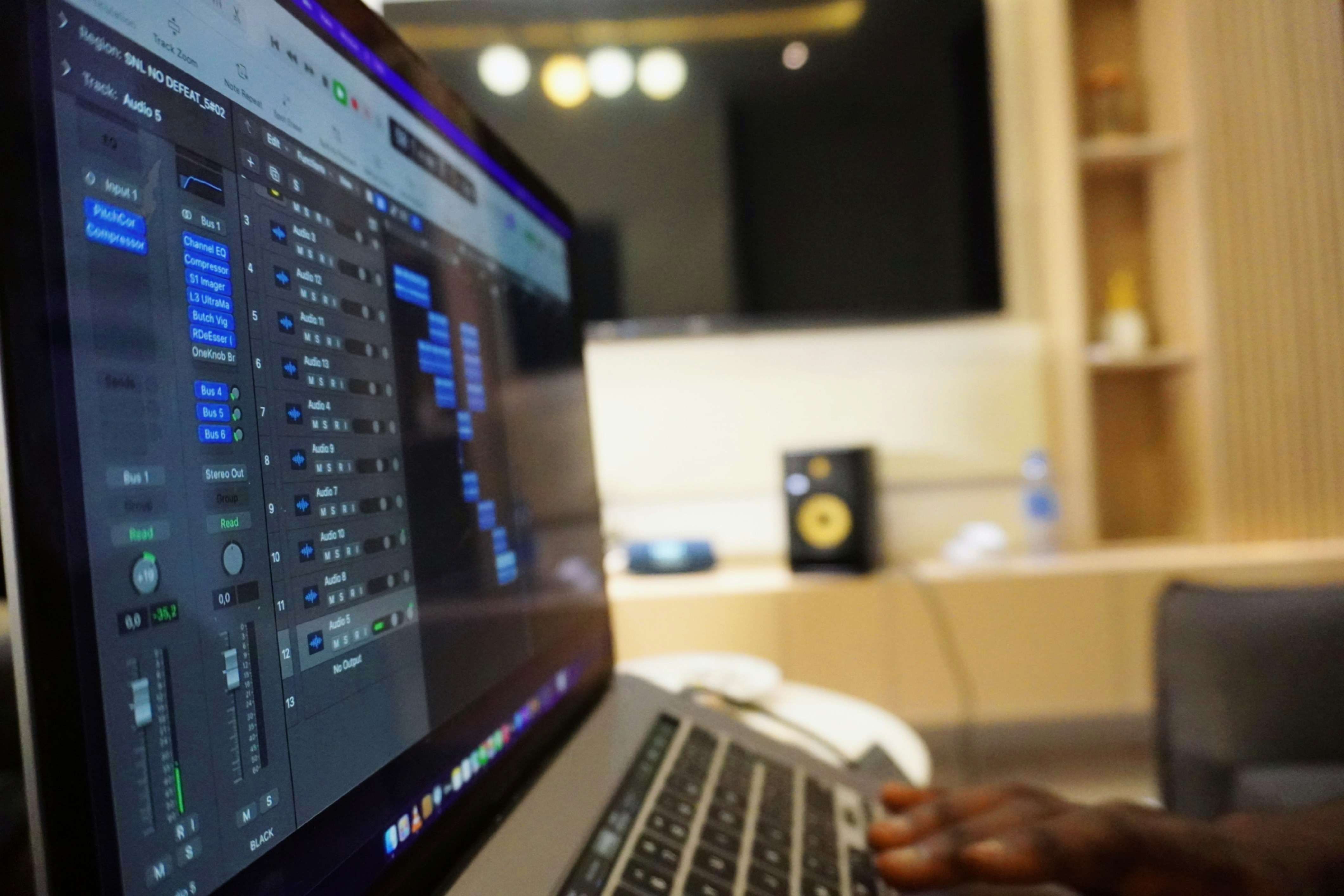
Introduction to Music Mastering
Music mastering is the final step in the music production process, where the mixed audio track undergoes refinement to prepare for distribution. It is a meticulous process that ensures the song sounds polished and balanced across all playback systems, from high-end speakers to earbuds. Mastering not only elevates the overall sound quality but also addresses frequency imbalances and enhances the loudness of the track, making it radio-ready and appealing to listeners.
Often confused with mixing, music mastering songs involves different tasks. While mixing combines individual audio tracks and manipulates their levels, effects, and spatial placement, mastering focuses on the overall cohesiveness of the final product. A good mastering engineer will analyze the mixed track for consistency, adjusting levels and equalization to ensure that the song translates well across various formats and environments.
The importance of choosing the right software for effective music mastering cannot be overstated. Mastering software provides tools and features specifically designed to optimize sound clarity and balance, making it essential for achieving professional results. With a plethora of options available in the market, selecting the right mastering software can significantly influence the end product. Software advancements have made high-quality mastering accessible to musicians and producers, allowing them to achieve professional-sounding results without needing a large studio budget.
As artists and producers navigate the complex landscape of audio production, understanding the intricacies of music mastering is vital. It is more than just a technical process; it is an art that requires sensitivity to sound and an ear for detail. By mastering their songs effectively, creators can ensure that their music resonates with audiences, enhancing their overall listening experience.
Criteria for Selecting Mastering Software
When it comes to mastering your music tracks, selecting the appropriate software is critical. The first factor to consider is usability. Mastering software should have an intuitive interface that allows users, whether novice or professional, to navigate seamlessly. Complicated interfaces can hinder the creative process, so it is crucial to select software that offers a clear layout and easy access to essential features.
Next, consider the features offered by the software. Different music mastering songs can require various processing techniques, so look for software that includes a wide range of audio tools. These may include equalizers, limiters, compressors, and other effects. Advanced options such as multi-band compression and stereo imaging can significantly enhance the final product, making it vital to choose software that provides flexibility in its capabilities.
Compatibility with other digital audio workstations (DAWs) is also essential when selecting mastering software. Ensure that the chosen software integrates smoothly with your existing DAW to streamline your workflow. This compatibility can prevent disruptions in the mastering process, thereby allowing for a more efficient production experience.
Another important aspect to keep in mind is your budget. The market offers a range of mastering software options at various price points. While higher-priced software may come with advanced features and sound processing capabilities, it is possible to find effective options within a lower price bracket. Balancing quality and cost is crucial to ensure you do not overspend while still accessing high-quality sound processing.
Lastly, the quality of sound processing is fundamental. Look for software that is renowned for producing professional-grade audio. Reading reviews or seeking recommendations can help in finding software that consistently delivers exceptional results in mastering music.
Top 5 Mastering Software Options
In the realm of music production, selecting the right software for mastering your music tracks can significantly impact the quality of your final product. Here we discuss five of the most notable mastering software options available today, each tailored for different needs and levels of expertise.
1. iZotope Ozone
iZotope Ozone is a comprehensive mastering suite known for its intuitive user interface and powerful features. Its standout characteristics include a modular setup that allows users to customize their workflow, along with AI-powered assist features that cater to both novices and professionals. While the software is robust, some users may find it overwhelming due to its extensive features.
2. LANDR
LANDR offers an easy-to-use platform that incorporates artificial intelligence to master music tracks efficiently. Ideal for beginners, LANDR allows users to upload their tracks and receive a mastered version in just a few minutes. However, it may not provide the same depth of customization that experienced producers seek.
3. Waves Abbey Road Mastering Chain
With a reputation derived from the legendary Abbey Road Studios, this software combines various tools traditionally used in professional mastering. It is designed for users looking for high-quality outcomes without needing a comprehensive understanding of the entire mastering process. The main drawback is that it can be resource-intensive, which may not suit all setups.
4. PreSonus Studio One
This versatile digital audio workstation includes an effective mastering suite. It is ideal for intermediate users who appreciate a robust mixing environment along with mastering tools. Although powerful, users may encounter limitations in its mastering capabilities compared to more dedicated software.
5. T-RackS 5
T-RackS 5 by IK Multimedia is known for its vintage analog gear emulations, making it perfect for music producers who want to add warmth to their tracks. While it provides high-quality results, its learning curve may be steep for newcomers to music mastering songs.
Selecting the right software hinges on individual needs, so understanding the features and each option’s pros and cons is essential for effective music mastering.
Conclusion and Recommendations
Mastering is an essential step in the music production process, transforming a mix into a polished and professional track. Throughout this post, we have explored the top five software solutions for mastering your music tracks, each designed to cater to different user needs and preferences. Understanding these tools is critical in finding the right fit for your musical style and level of expertise.
For beginners, LANDR offers an intuitive platform that simplifies the mastering process through automated services, making it ideal for those with minimal technical knowledge. Audioscape also stands out as a user-friendly option, providing a variety of presets tailored for different genres, allowing novice users to get started with confidence.
Advanced users may benefit significantly from the powerful capabilities of iZotope Ozone, which includes extensive customization options and in-depth tools for professionals aiming to perfect their sound. Its comprehensive feature set makes it a preferred choice for those willing to invest time in learning and utilizing detailed practices in music mastering songs.
For genre-specific mastering, options such as T-RackS can be an excellent choice, as it provides specialized modules that cater to various styles, making it a versatile tool in the hands of producers. Similarly, Waves plugins deliver high-quality processing tailored for different musical formats, making them a favorite among many audio engineers.
As you explore these software options, we encourage you to experiment with each and discover which interface and features resonate with your personal workflow. Additionally, consider delving into further resources on mastering and audio production to enhance your knowledge and skill set. There is a wealth of online tutorials and courses available that can guide you through the complexities of the mastering process, allowing you to elevate your music to new heights.