
Top Skills Needed for Customer Service Jobs
Customer service jobs are more than just answering calls. They require a unique set of skills. These skills are crucial for success in the field.
In today’s job market, customer service roles are in high demand. Many of these positions offer remote work options. This flexibility attracts a wide range of job seekers.
Whether you’re looking for full-time or part-time work, customer service offers diverse opportunities. Remote customer service careers are especially popular. They provide the chance to work from home.
To excel in customer service, certain skills are essential. Communication, empathy, and problem-solving top the list. These skills help in delivering exceptional service.
Technical skills are also important, especially for remote roles. Navigating software and digital tools is often required. This ensures efficient and effective service delivery.
Time management and multitasking are vital in this fast-paced environment. Balancing multiple tasks and customer interactions is a daily challenge. These skills help maintain productivity.
Adaptability and a willingness to learn are key. The customer service landscape is always changing. Staying updated with trends is crucial for success.
Building a rewarding career in customer service is possible. With the right skills, you can thrive in this field. Let’s explore the top skills needed for customer service jobs.
Why Customer Service Skills Matter in Today’s Job Market
Customer service skills have become increasingly crucial in today’s competitive job market. Companies prioritize customer satisfaction more than ever. Thus, exceptional service skills are in high demand.
Businesses understand the power of word-of-mouth and online reviews. One bad experience can impact brand reputation. Hence, they hire skilled representatives to ensure positive customer interactions.
Remote customer service careers offer flexibility that many job seekers desire. These roles allow individuals to work from home. This appeals to a diverse pool of candidates with varying needs.
Top customer service skills include patience, empathy, and problem-solving. These skills help in managing customer expectations and resolving issues effectively. They enhance customer loyalty and retention.
In summary, the right skill set can open doors to numerous job opportunities. Here are some key skills:
- Communication
- Empathy
- Problem-solving
- Technical skills
- Time management
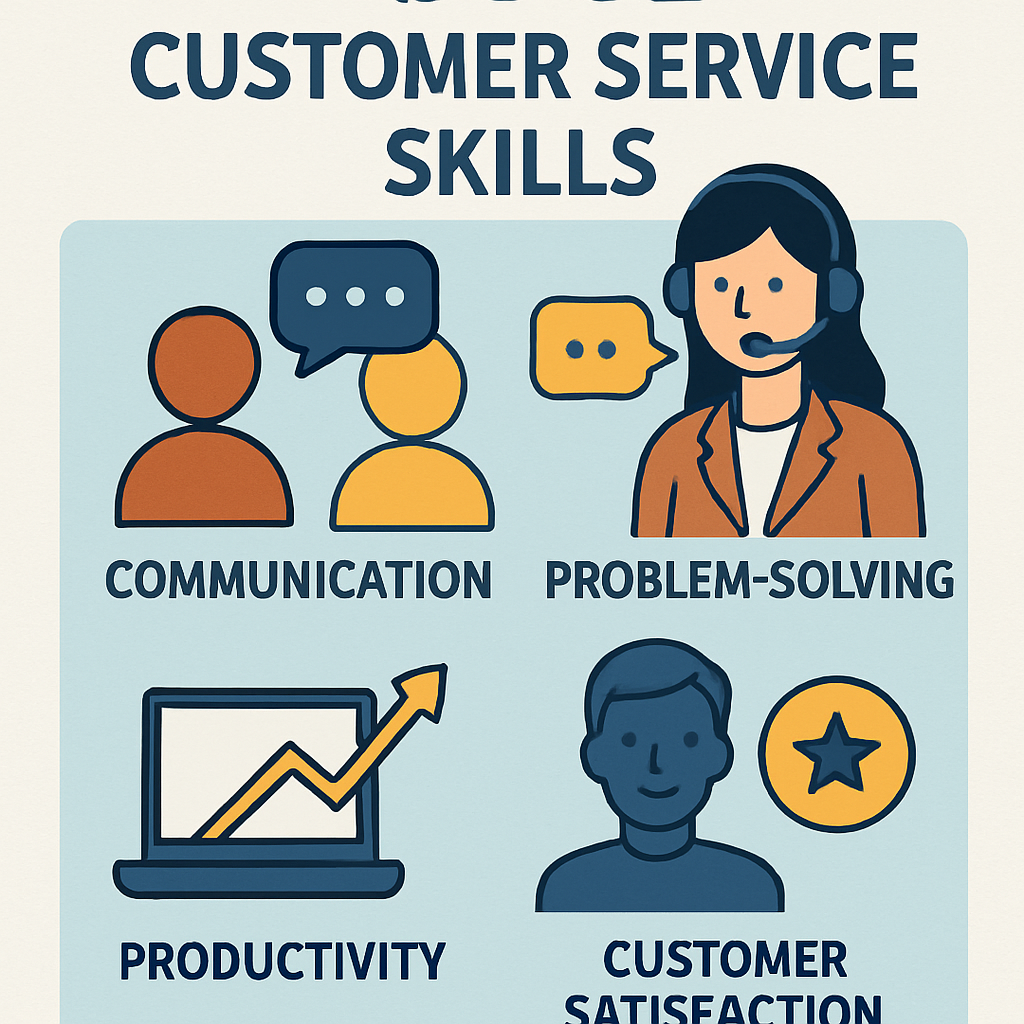
Core Communication Skills for Customer Service Success
Effective communication is the bedrock of customer service. Without it, even the best intentions can fall flat. Mastery in both verbal and written communication ensures messages are clear and concise.
In customer service, misunderstandings can lead to dissatisfaction. Therefore, clarity in communication is paramount. Representatives need to articulate ideas seamlessly.
Verbal communication should be engaging and polite. Tone and choice of words play a significant role. A positive tone can soothe even the most agitated customers.
Written communication, especially in emails and chats, requires careful word choice. Misinterpretations are common without visual cues. Hence, well-structured written responses are essential.
To excel, practice the following skills:
- Clear and concise language
- Proper grammar and punctuation
- Adaptability in tone
To enhance interactions, active listening is critical. It’s not just about hearing words; it’s understanding context and emotion. This leads to more personalized and effective responses.
Verbal and Written Communication
Both verbal and written skills are vital in customer service. They differ but complement one another seamlessly. Mastering both ensures comprehensive communication.
Verbal communication involves direct interaction with customers. It includes phone calls and face-to-face meetings. Confidence and clarity are key to successful verbal exchanges.
Essential verbal skills include:
- Clear pronunciation
- Positive tone
- Good pacing
On the other hand, written communication often includes emails, chats, and social media. It’s important to provide precise and courteous responses.
Well-crafted written responses require:
- Proper grammar
- Conciseness
- Appropriateness of tone
Active Listening
Active listening goes beyond hearing words. It involves fully understanding the message. This skill forms the foundation of customer interaction.
Through active listening, representatives can gauge emotions and underlying needs. This paves the way for accurate solutions. The customer feels valued and understood.
Key active listening techniques include:
- Reflective listening
- Clarification and questioning
- Non-verbal cues
By focusing on the speaker, representatives respond with relevance. This increases the efficiency of customer service interactions. Understanding beyond words is the ultimate goal.
Empathy and Emotional Intelligence
Empathy and emotional intelligence are crucial in customer service. They form the basis of genuine connections with customers. Understanding their feelings leads to improved service experiences.
Empathy involves seeing things from the customer’s perspective. This creates a bond, making customers feel valued. Emotional intelligence allows you to manage your emotions and respond appropriately.
Incorporating these traits enriches interactions. They help anticipate customer needs and enhance satisfaction. Your role becomes more than solving problems; it’s about building relationships.
Key skills to develop include:
- Empathetic listening
- Emotional regulation
- Conflict de-escalation
Customer service without empathy is incomplete. It distinguishes great service from average. Cultivating these abilities ensures customers are always at the heart of your service.
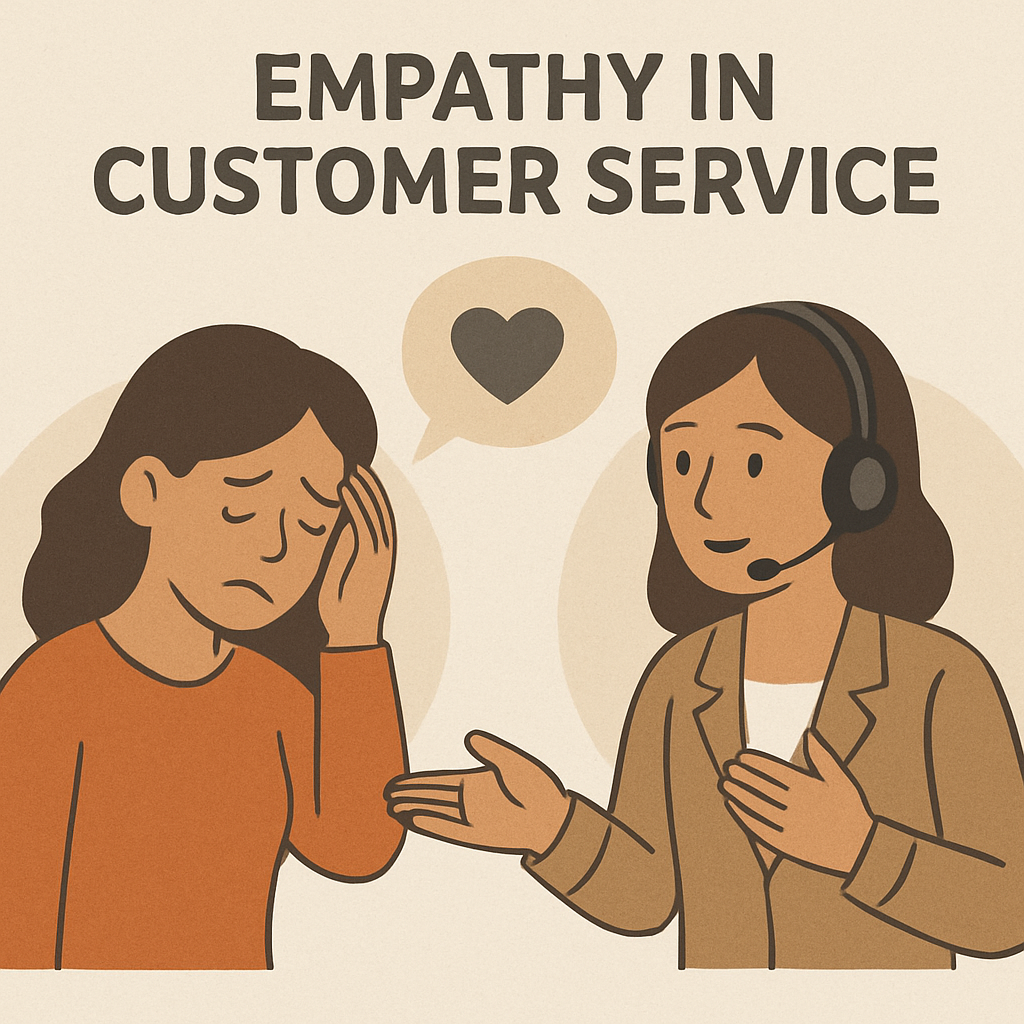
Understanding and Relating to Customers
Understanding customers requires more than just listening to their words. It involves grasping their emotions and underlying needs. This understanding fosters trust and credibility.
Relating to customers means aligning with their experiences. Show genuine interest and concern. The goal is to make them feel heard and valued.
To enhance customer relations, focus on:
- Observing non-verbal cues
- Asking open-ended questions
- Personalizing interactions
Relationships built on mutual understanding last longer. They lead to loyal customers who appreciate your efforts. Consistently practicing these skills bridges gaps in communication.
Managing Emotions in Challenging Situations
Handling challenging situations requires calmness and clarity. Emotions can run high, and it’s important to control reactions. Maintaining composure helps focus on solutions rather than problems.
When emotions are managed well, conflicts are minimized. This improves the overall experience for both the customer and the representative. By staying composed, you model professionalism.
In difficult situations, a steady demeanor reassures customers. It reflects the company’s commitment to resolving issues positively. This builds trust and enhances brand reputation.
Problem-Solving and Critical Thinking
Problem-solving and critical thinking are essential in customer service jobs. They enable representatives to tackle issues efficiently. These skills involve analyzing situations and devising effective solutions.
Critical thinking involves assessing problems objectively. It requires gathering relevant information and considering various outcomes. This helps in making informed decisions that benefit the customer.
Strong problem-solvers often anticipate issues before they arise. They think proactively and act swiftly to resolve challenges. These skills lead to quicker resolutions and increased customer satisfaction.
To refine problem-solving abilities, focus on these strategies:
- Identify the root cause of problems
- Evaluate possible solutions
- Implement the best course of action
Excellent problem-solving builds trust and enhances customer loyalty. It portrays competence and strengthens customer relationships. Mastery of these skills is a key differentiator in the service industry.
 by SumUp (https://unsplash.com/@sumup)
Creative Solutions for Customer Issues
Creativity in problem-solving is a valuable asset. It allows for innovative solutions to unique customer challenges. Thinking outside the box often produces better results.
Customers appreciate when representatives find personalized solutions. This shows dedication and enhances the service experience. Creativity can turn potential issues into opportunities for excellence.
Never underestimate the value of a fresh perspective. By approaching problems creatively, service reps can improve overall satisfaction. This approach leads to repeat business and positive reviews.
Conflict Resolution Skills
Conflict resolution is critical in maintaining customer relations. It involves addressing disputes calmly and professionally. This skill helps in transforming negative experiences into positive ones.
Key aspects of conflict resolution include:
- Listening actively to understand concerns
- Addressing issues directly and diplomatically
- Finding common ground and offering solutions
Skillful resolution requires patience and diplomacy. Understanding both sides is essential for equitable outcomes. Effective conflict management strengthens trust and fosters customer loyalty.
Patience, Resilience, and Stress Management
In customer service, patience is indispensable. Representatives often face frustrated or difficult customers. Keeping cool is vital for successful interactions.
Resilience helps manage stress in high-pressure situations. It involves bouncing back after tough calls. This resilience ensures quality service despite challenges.
Effectively managing stress is crucial. It impacts job performance and personal well-being. Adopting healthy coping mechanisms is beneficial.
Useful strategies for stress management include:
- Practicing deep breathing or meditation
- Taking regular breaks during shifts
- Maintaining a positive outlook and attitude
By mastering these skills, customer service professionals enhance their ability to serve. They maintain professionalism, even in demanding scenarios.
 by Icons8 Team (https://unsplash.com/@icons8)
Staying Calm Under Pressure
Staying calm under pressure is essential in customer service. It allows representatives to think clearly and act wisely. A composed demeanor reassures the customer and diffuses tension.
Stressful situations require a level head. By maintaining composure, service reps find effective solutions. This patience contributes to a smooth and productive interaction.
Handling Difficult Customers
Dealing with difficult customers is a common challenge. It requires a careful and tactful approach. Patience and empathy are key to managing these interactions successfully.
Effective strategies when handling difficult customers include:
- Listening without interrupting
- Acknowledging customer concerns sincerely
- Offering clear, practical solutions promptly
By addressing difficult situations empathetically, service providers build trust. This can transform a negative experience into a loyal relationship.
Technical and Digital Skills for Remote Customer Service
In the digital age, technical skills are essential for remote customer service jobs. Reps often use various tools and software. Proficiency in these applications is crucial for seamless service delivery.
Customer service representatives should understand CRM systems. These tools help manage interactions efficiently. An effective CRM use improves customer satisfaction.
Being tech-savvy aids problem-solving. Technical issues can arise during customer interactions. Quick resolutions rely on strong technical knowledge.
Key technical skills include:
- Mastery of CRM software
- Competence with communication platforms
- Proficiency in troubleshooting basic tech issues
A solid internet connection is also vital for remote work. It ensures reliable customer interactions without disruptions.
 by Shubham Dhage (https://unsplash.com/@theshubhamdhage)
Navigating Customer Service Software and Tools
Navigating customer service software is a core skill. Mastery of these tools streamlines operations. It enables reps to resolve customer issues swiftly.
Familiarity with tools like ticketing systems enhances efficiency. It allows for better organization and tracking. This proficiency contributes to higher customer satisfaction.
Effective software navigation also involves multitasking capabilities. Key skills for using customer service tools include:
- Seamless navigation between various software platforms
- Swift data entry with high accuracy
- Competence in escalating issues appropriately
Developing these skills can significantly improve service delivery.
Digital Communication Proficiency
Digital communication skills are non-negotiable for remote roles. Email, chat, and video calls are common channels. Proficiency ensures clarity and professionalism.
Effective digital communication involves using concise language. Clarity in written communication reduces misunderstandings. It maintains a professional tone.
Quick and clear responses lead to better customer experiences. Practicing these skills ensures that remote service representatives meet customer expectations. Continual practice and feedback help hone these essential abilities.
Time Management, Organization, and Multitasking
Effective time management is critical for customer service jobs, especially remote ones. Juggling multiple tasks requires excellent organization. Staying organized maximizes productivity.
Customer service roles often demand handling several responsibilities at once. Representatives must efficiently prioritize their workload. This ensures timely responses to customer inquiries.
Organizational skills contribute to job performance. They allow for streamlined processes and reduced stress. Good organization practices lead to better service outcomes.
Important time management skills include:
- Prioritizing tasks based on urgency
- Creating efficient schedules
- Implementing streamlined workflows
 by Brian Wangenheim (https://unsplash.com/@brianwangenheim)
Prioritizing Tasks and Managing Workload
Prioritizing tasks is vital for managing workload effectively. Assigning priority helps in tackling urgent matters first. It ensures that critical customer issues receive timely attention.
Efficient workload management involves planning and discipline. It requires analyzing tasks for importance. Successful reps focus on priority-driven processes.
Key strategies for prioritizing include:
- Using lists to organize tasks
- Setting clear deadlines
- Identifying high-impact activities
These strategies help balance responsibilities with customer needs.
Multitasking in Fast-Paced Environments
Customer service jobs often occur in dynamic settings. Fast-paced environments demand adaptability and quick responses. Multitasking is essential in such contexts.
Proficient multitaskers handle several inquiries simultaneously. They maintain focus amidst constant distractions. Staying composed ensures quality interactions with customers.
Developing multitasking skills requires practice and patience. They are crucial for thriving in high-speed service environments.
Adaptability and Willingness to Learn
Adaptability is crucial in the ever-evolving customer service landscape. Reps must adjust quickly to new tools and policies. Being flexible can greatly enhance service quality.
The willingness to learn can accelerate career growth. It ensures representatives remain up-to-date with industry trends. This openness can lead to innovative problem-solving.
Key aspects of adaptability include:
- Flexibility in adopting new processes
- Openness to feedback and improvements
- Resilience in facing unexpected challenges
 by SHIMO yann (https://unsplash.com/@ishots_thing)
Embracing Change in Customer Service Roles
Customer service roles constantly change. Embracing these shifts is vital for success. Being proactive about updates enhances performance.
Flexible reps welcome new systems and methods. They thrive in dynamic settings. This mindset supports ongoing improvement.
Continuous Learning and Professional Growth
Continuous learning is essential in customer service. Staying informed boosts skill levels and career prospects. It fuels both personal and professional development.
To foster growth, consider:
- Participating in training programs
- Engaging with industry webinars
- Networking with peers for knowledge exchange
These efforts contribute to a rewarding career.
Product Knowledge and Company Policy Awareness
Strong product knowledge is critical in customer service roles. It equips representatives to provide accurate and helpful assistance. Knowing company policies ensures consistent service and customer satisfaction.
Understanding the ins and outs of a product can make a significant difference. It builds trust and credibility with customers. Staying updated on policy changes is equally crucial.
Key areas to focus on include:
- In-depth product features and benefits
- Company return and exchange policies
- Procedures for addressing complaints
 by Inciclo (https://unsplash.com/@inciclo)
Becoming a Subject Matter Expert
Becoming a subject matter expert involves deep product understanding. It enables reps to answer inquiries confidently. This expertise enhances customer interactions.
Experts anticipate customer needs and offer tailored solutions. They help customers feel valued. Mastery in this area is a distinct competitive edge.
Consistency in Service Delivery
Consistency is key in customer service. Representatives should ensure uniformity in responses and solutions. This consistency fosters trust with clients.
Important steps for consistent service include:
- Following standardized procedures
- Regularly updating personal knowledge
- Maintaining clear communication channels
Reliable service is the cornerstone of a strong customer relationship.
Teamwork, Collaboration, and Remote Work Discipline
Effective teamwork is crucial in any customer service role. It ensures seamless service delivery and enhances the customer experience. This is true whether working in-office or remotely.
Remote work requires strong discipline and communication. Collaborating with team members across distances is a common challenge. Having the right skills ensures that these hurdles are easily overcome.
Key skills include:
- Clear, effective communication
- Trust-building with colleagues
- Coordination through digital tools
 by Gabriel Tovar (https://unsplash.com/@gabrielrana)
Working Effectively with Teams (In-Office and Remote)
In-office and remote teamwork have distinct dynamics. Both require trust and effective communication. Each setting demands unique strategies for success.
Essential practices include:
- Regularly scheduled virtual meetings
- Utilizing collaborative tools
- Sharing feedback openly
By using these strategies, teams can work together effectively, regardless of location.
Self-Motivation and Independence in WFH Roles
Working from home demands self-motivation. Without direct supervision, it’s critical to maintain productivity. Independence and responsibility drive success in remote roles.
Balancing flexibility with discipline is key. Setting personal goals keeps focus intact. This approach boosts both performance and job satisfaction.
Attention to Detail and Data Handling
Attention to detail is crucial in customer service. It ensures accuracy in resolving customer concerns. This reduces errors and boosts client satisfaction.
Data handling is an important part of this role. Effective management of customer information is key. It requires discipline and care in entry and storage.
To master these skills, focus on:
- Consistent double-checking
- Keeping organized records
- Following data security protocols
 by Rendy Novantino (https://unsplash.com/@novantino)
Ensuring data accuracy builds trust. Customers rely on their information being handled responsibly. This care strengthens the company’s reputation.
Cultural Awareness and Serving Diverse Customers
In today’s global market, cultural awareness is crucial. It helps in serving a wide range of clients. Understanding different backgrounds improves interactions.
Respect for cultural differences fosters positive relationships. It requires open-mindedness and flexibility. These traits lead to effective communication with diverse customers.
To enhance cultural awareness, consider these steps:
- Educate yourself on cultural norms
- Practice active listening with empathy
- Use inclusive language
 by Kai Wei (https://unsplash.com/@k4i_w3i)
Embracing diversity enhances service quality. It also aids in building customer loyalty. This inclusivity sets a company apart from its competitors.
Building Rapport and Customer Loyalty
Building rapport with customers is a skill that fosters loyalty. Consistent positive interactions strengthen customer relationships. Trust is the foundation of this rapport.
Creating a personal connection enhances the customer experience. This leads to repeat business and referrals. Customers appreciate personalized attention and care.
To cultivate customer loyalty, focus on these strategies:
- Show genuine interest in their needs
- Follow up on previous interactions
- Provide solutions promptly
 by Giulio Fabi (https://unsplash.com/@giuliofabi)
Effective rapport-building differentiates companies. It translates to higher satisfaction and retention. Loyal customers become brand advocates, boosting growth.
Entry-Level to Advanced: Skills for Every Customer Service Career Stage
Customer service skills evolve with experience. Entry-level roles focus on foundational abilities. These include communication and empathy.
As representatives gain experience, skills like problem-solving and conflict resolution become crucial. Advanced roles often require leadership and strategic thinking.
Here’s how skills differ across stages:
- Entry-Level: Basic communication, active listening
- Mid-Level: Problem-solving, technical proficiency
- Advanced: Leadership, strategic decision-making
 by Alexandra Leru (https://unsplash.com/@alexandraleru)
Continuous learning enriches a career at every stage. This approach ensures progression and personal development. Ultimately, success is built on a strong skills foundation.
How to Develop and Showcase Your Customer Service Skills
Developing customer service skills requires ongoing effort. Start by identifying areas for improvement. Consider feedback from colleagues and managers.
Enhance skills through training and practice. Online courses provide flexible learning opportunities. Look for resources that fit your schedule and learning style.
Showcasing your skills is equally important. Use your resume and cover letter effectively. Highlight specific achievements and examples.
Here are some tips for development:
- Self-Assessment: Identify strengths and weaknesses
- Training: Attend workshops, webinars
Strategies to showcase your skills include:
- Resume: Highlight metrics-driven results
- Interviews: Share concrete examples of problem-solving
 by Denis (https://unsplash.com/@denis96)
Constant growth will make you stand out in a competitive market. This dedication improves job prospects and career satisfaction.
Top Customer Service Jobs You Can Do from Home
Remote work opportunities are expanding in the customer service field. Many companies offer flexible roles that can be performed from home.
Here are a few popular work-from-home positions:
- Customer Service Representative: Handle inquiries via phone or chat
- Tech Support Specialist: Resolve technical issues remotely
These jobs provide flexibility and work-life balance. They’re ideal for those needing adaptable schedules.
For part-time opportunities, consider these roles:
- Virtual Assistant: Assist with administrative tasks
- Live Chat Agent: Respond to customer messages online
 by Milada Vigerova (https://unsplash.com/@milada_vigerova)
These roles often require strong communication skills and self-discipline. Developing these skills can lead to rewarding remote careers.
Frequently Asked Questions About Customer Service Skills
What are the critical skills for remote customer service jobs?
Remote roles often require:
- Strong communication skills
- Technical proficiency
- Self-discipline
These skills help in navigating work from home environments effectively.
How can I improve my customer service skills?
Consider these methods:
- Take online courses
- Practice active listening
- Seek feedback
Learning continuously is essential for growth in this field.
Are customer service skills transferable?
Yes, many customer service skills apply to other sectors. Communication, problem-solving, and empathy are valuable in various roles.
What role does empathy play in customer service?
Empathy allows professionals to understand and address customer needs, building trust and satisfaction. This is crucial for delivering excellent service.
Conclusion: Building a Rewarding Customer Service Career
Building a successful career in customer service involves honing essential skills and embracing opportunities for growth. Whether in-office or remote, these roles demand adaptability and empathy. Every interaction is a chance to improve and make an impact.
Pursue continuous learning and development in your journey. This can lead to career advancement and personal satisfaction. As a customer service professional, your commitment to excellence benefits both your career and your employer’s reputation.
Key takeaways for success in customer service include:
- Embrace feedback
- Develop communication skills
- Seek to understand customers
These elements contribute to a fulfilling and rewarding career.