
Exploring the Best AI Tools of 2025
Artificial intelligence (AI) is evolving rapidly, transforming how we live, work, and interact with technology. As we step into 2025, AI tools are more advanced and accessible than ever, making it crucial to understand which platforms and software can propel your business or personal projects forward. This article delves into the best AI tools of 2025, offering insights into their features, uses, and how they can benefit you.
 AI tools have become indispensable across various industries. From automating routine tasks to providing deep insights through data analysis, AI platforms are reshaping the way businesses operate. In 2025, AI tools are not only smarter but also more user-friendly, allowing even those with minimal technical expertise to harness their power.
The Evolution of AI Tools
The journey of AI tools from their inception to 2025 is marked by several significant advancements. Initially, these tools were confined to specific industries, but as technology progressed, they expanded across various sectors. The integration of machine learning and natural language processing has made them more intuitive and capable of handling complex tasks. Today, AI tools are not just about automation; they are about enhancing human capabilities.
Industries Revolutionized by AI
Different sectors have embraced AI, leading to unprecedented innovation. In healthcare, AI tools analyze vast amounts of data to aid in diagnosis and treatment planning. The financial industry uses AI for fraud detection and personalized banking experiences. Even education is being transformed, with AI providing personalized learning experiences and administrative efficiencies. These tools are not just improving processes but are also creating new opportunities for growth and development.
Accessibility and Democratization
One of the most remarkable changes in 2025 is the accessibility of AI tools. Previously, only large corporations with significant resources could leverage such technology. Now, small businesses and individual users can access powerful AI tools thanks to reduced costs and easier user interfaces. This democratization is fostering innovation at grassroots levels, allowing more people to contribute to technological advancement.
What Are AI Tools?
AI tools are software applications that use artificial intelligence algorithms to perform tasks that typically require human intelligence. These tasks include learning, reasoning, problem-solving, understanding natural language, and perceiving environments. AI tools can be standalone applications or integrated into existing systems to enhance functionality.
Key Features of AI Tools
AI tools are characterized by their ability to process and analyze large datasets quickly. They use algorithms to learn from data patterns, providing insights that are impossible to achieve manually. Moreover, these tools often include features like natural language processing, which allows them to understand and respond to human language, and computer vision, enabling them to interpret visual information. Such features make AI tools versatile and applicable across various domains.
Standalone vs. Integrated Solutions
AI tools can either be standalone solutions or integrated into existing systems. Standalone tools are designed to perform specific tasks independently, while integrated solutions work within current systems to enhance functionality. The choice between the two depends on the user’s needs and the existing technological infrastructure. Integrated solutions often offer seamless operations, while standalone tools can be more specialized and focused.
The Role of Machine Learning
Machine learning is a critical component of AI tools, enabling them to improve over time without explicit programming. By analyzing data and recognizing patterns, these tools learn from experience and adapt to new information. This capability allows AI tools to provide more accurate predictions and automate complex processes, making them invaluable in dynamic environments where adaptability is crucial.
Why Use AI Tools?
The primary advantage of AI tools is their ability to automate and optimize processes. They save time, reduce human error, and often provide more accurate results than manual methods. In 2025, businesses use AI tools to gain a competitive edge, improve customer experiences, and drive innovation.
Automation and Efficiency
AI tools excel at automating repetitive tasks, freeing up human resources for more strategic activities. For example, chatbots handle customer inquiries around the clock, reducing the need for extensive customer service teams. AI-driven systems in manufacturing optimize production lines, leading to faster and more efficient operations. This level of automation enhances productivity and allows companies to focus on innovation.
Accuracy and Precision
AI tools are renowned for their precision, often outperforming humans in tasks that require meticulous attention to detail. In fields like finance, AI systems analyze market trends and predict stock movements with high accuracy. In healthcare, AI tools assist in diagnosing diseases with precision, minimizing the risk of human error. This accuracy is crucial in industries where precision can significantly impact outcomes.
Innovation and Competitive Advantage
The ability to innovate is a key driver for adopting AI tools. Companies leveraging AI can develop new products, optimize existing services, and enter new markets with confidence. AI enables businesses to analyze consumer behavior and preferences, providing insights that drive product development and marketing strategies. As a result, AI tools offer a competitive advantage, positioning companies as leaders in their respective fields.
Top AI Platforms of 2025
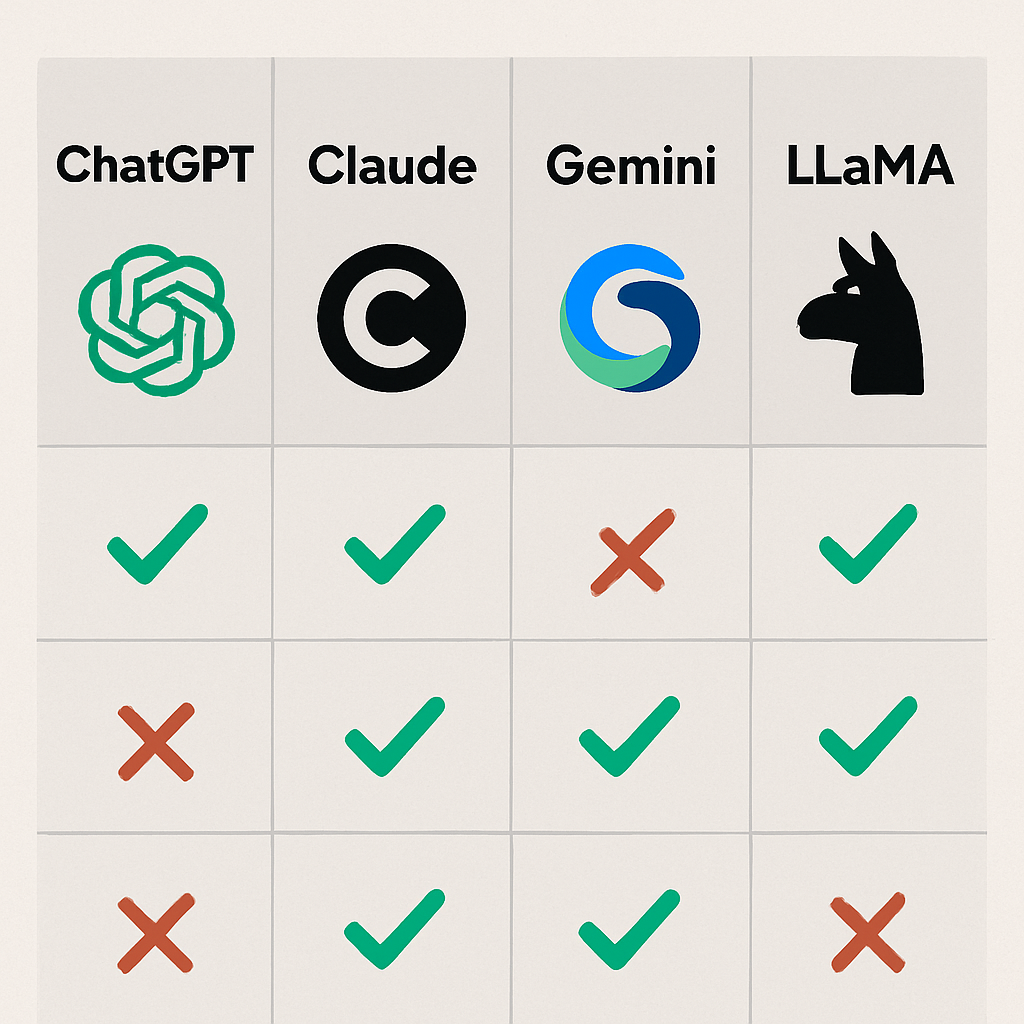 Several AI platforms have emerged as leaders in 2025, each offering unique features and benefits. Here are some of the best AI platforms to consider:
1. OpenAI GPT-5
OpenAI’s GPT-5 is the latest iteration of their renowned language processing model. Known for its ability to understand and generate human-like text, GPT-5 is a powerhouse for creating content, answering questions, and even coding. Its applications range from customer service chatbots to creative writing assistants.
Applications in Content Creation
GPT-5 has revolutionized content creation by producing high-quality text indistinguishable from human writing. Marketers use it to generate engaging blog posts, social media content, and email campaigns. Authors leverage its capabilities to brainstorm ideas and draft manuscripts. This tool’s ability to adapt its tone and style to different audiences makes it a versatile asset in the content creation process.
Enhancing Customer Interaction
Businesses are using GPT-5 to improve customer interactions through chatbots and virtual assistants. These AI-driven entities provide instant responses to customer inquiries, ensuring a seamless user experience. By understanding context and providing relevant solutions, GPT-5 enhances customer satisfaction and builds brand loyalty. Its integration into customer service platforms is transforming how businesses engage with their clients.
Coding and Development
GPT-5’s capabilities extend to software development, where it assists in coding tasks. Developers use it to generate code snippets, debug programs, and even develop entire applications. This functionality accelerates the development process and reduces the burden on human programmers. As a result, GPT-5 is becoming an indispensable tool in the tech industry, helping companies bring products to market faster.
2. Google AI Platform
Google’s AI platform continues to be a top choice for developers and businesses. It offers a suite of tools for machine learning, data analysis, and natural language processing. The platform’s integration with Google Cloud makes it a robust option for scalable AI solutions.
Machine Learning Solutions
Google AI Platform provides robust machine learning solutions that cater to various business needs. Its tools enable companies to build, train, and deploy machine learning models at scale. These models are used for tasks ranging from predictive analytics to customer segmentation. The platform’s machine learning capabilities empower businesses to harness data for strategic decision-making.
Data Analysis and Insights
Data is the new currency, and Google AI Platform excels in data analysis. Its tools process vast amounts of information, extracting valuable insights that inform business strategies. Companies use these insights to optimize operations, understand market trends, and predict future outcomes. The platform’s ability to handle complex data sets makes it an essential tool for data-driven enterprises.
Natural Language Processing
Natural language processing (NLP) is a cornerstone of Google’s AI Platform, enabling businesses to understand and interact with human language. NLP tools are used in various applications, from sentiment analysis in customer reviews to language translation services. The platform’s NLP capabilities enhance communication and provide businesses with deeper insights into customer preferences and behaviors.
3. IBM Watson
IBM Watson remains a leader in AI, known for its advanced analytics and natural language understanding. Watson’s capabilities are used in healthcare for diagnosing diseases, in finance for risk management, and in customer service for personalized interactions.
Healthcare Innovation
In healthcare, IBM Watson is transforming patient care by analyzing medical data and providing diagnostic support. Its ability to process and interpret vast amounts of medical literature aids doctors in making informed decisions. Watson’s integration into healthcare systems improves patient outcomes and streamlines clinical workflows, showcasing the potential of AI in medical innovation.
Risk Management in Finance
The financial sector relies on IBM Watson for risk management and decision-making. Watson analyzes market data and identifies potential risks, enabling financial institutions to mitigate threats proactively. Its predictive analytics capabilities provide financial planners with insights into market trends, helping them make informed investment decisions and manage portfolios effectively.
Personalized Customer Interactions
IBM Watson’s natural language understanding enhances customer service by personalizing interactions. Businesses use Watson to analyze customer data and tailor responses to individual preferences. This personalization improves customer satisfaction and fosters stronger relationships. Watson’s ability to understand context and provide relevant solutions positions it as a valuable asset in enhancing customer experiences.
4. Microsoft Azure AI
Microsoft Azure AI provides a comprehensive set of AI services, including machine learning, computer vision, and speech recognition. Its integration with Microsoft products and services makes it a seamless choice for businesses already in the Microsoft ecosystem.
Comprehensive AI Services
Microsoft Azure AI offers a broad range of services that cater to diverse business needs. Its machine learning tools enable companies to build predictive models, while computer vision applications enhance image recognition capabilities. Speech recognition services facilitate voice-driven applications, providing businesses with a holistic AI solution that enhances various operations.
Integration with Microsoft Ecosystem
For businesses already utilizing Microsoft products, Azure AI provides seamless integration, enhancing existing systems with AI capabilities. This integration reduces the learning curve and accelerates adoption, allowing companies to quickly leverage AI for strategic advantage. Azure AI’s compatibility with Microsoft tools makes it an attractive option for enterprises looking to enhance their technological infrastructure.
Enhancing Operational Efficiency
Azure AI’s capabilities extend to improving operational efficiency across industries. Its AI-driven insights help businesses streamline processes, reduce costs, and optimize resource allocation. By automating routine tasks and enhancing decision-making, Azure AI empowers companies to achieve greater efficiency and focus on core business objectives.
AI Software to Watch in 2025
In addition to platforms, specific AI software solutions are making waves in 2025. These tools cater to niche needs and offer specialized functions.
1. Grammarly AI
Grammarly has integrated AI to enhance its writing assistant capabilities. The software now offers more than just grammar checking; it provides style suggestions, tone adjustments, and even helps with content structuring. It’s a must-have for anyone involved in writing and editing.
Advanced Writing Assistance
Grammarly AI has evolved to provide advanced writing assistance, making it an essential tool for writers and editors. Its AI-driven algorithms analyze text for grammatical errors, suggesting improvements for clarity and readability. The software’s ability to adapt to different writing styles ensures that users can produce polished and professional content consistently.
Style and Tone Enhancements
Beyond grammar, Grammarly AI offers style and tone enhancements, allowing users to tailor their writing to specific audiences. The software analyzes the intended tone and provides suggestions for adjustments, ensuring that the message resonates with the target audience. This capability is invaluable for marketers and communicators seeking to craft impactful messages.
Structuring Content
Grammarly AI assists in content structuring, helping writers organize their thoughts and ideas coherently. The software provides suggestions for structuring paragraphs and improving the flow of information, making it easier for readers to understand and engage with the content. This functionality enhances the overall quality of written material, making it a valuable tool for content creators.
2. Adobe Sensei
Adobe Sensei uses AI to power its suite of creative tools. Whether you’re a graphic designer, photographer, or video editor, Adobe Sensei enhances your workflow by offering intelligent editing features and automating repetitive tasks, allowing more time for creativity.
Intelligent Editing Features
Adobe Sensei’s intelligent editing features have revolutionized creative workflows. The software uses AI to automate tasks like image retouching, color correction, and video editing, saving creators significant time and effort. These features enable artists to focus on the creative aspects of their work, knowing that the technical details are handled efficiently.
Automation of Repetitive Tasks
In the creative industry, repetitive tasks can be time-consuming and tedious. Adobe Sensei automates these tasks, allowing artists to concentrate on innovation and creativity. By eliminating the need for manual adjustments, the software enhances productivity and enables creators to bring their visions to life more effectively.
Enhancing Creative Workflows
Adobe Sensei’s integration into creative workflows streamlines processes and enhances collaboration. The software provides tools for sharing and collaborating on projects, enabling teams to work together seamlessly. This capability fosters creativity and innovation, allowing artists to push the boundaries of their work and produce exceptional results.
3. Salesforce Einstein
Salesforce Einstein is an AI-powered CRM tool that helps businesses improve customer relationship management. It provides predictive analytics, automates routine tasks, and offers insights into customer behavior, making it invaluable for sales and marketing teams.
Predictive Analytics for Sales
Salesforce Einstein’s predictive analytics capabilities provide sales teams with valuable insights into customer behavior and preferences. The software analyzes historical data to predict future trends, enabling sales professionals to tailor their strategies and close deals more effectively. This data-driven approach enhances sales performance and drives revenue growth.
Automation in CRM
Einstein automates routine CRM tasks, allowing sales and marketing teams to focus on building relationships and closing deals. The software handles tasks like data entry, lead scoring, and follow-up reminders, reducing administrative burdens. This automation improves efficiency and ensures that teams can dedicate their time to strategic activities.
Insights into Customer Behavior
Understanding customer behavior is crucial for effective marketing and sales strategies. Salesforce Einstein provides insights into customer preferences and buying patterns, enabling businesses to personalize their interactions and improve customer satisfaction. These insights help companies develop targeted marketing campaigns and build stronger customer relationships.
Choosing the Right AI Tool for Your Needs
 by 5010 (https://unsplash.com/@isoten)
Selecting the right AI tool depends on your specific needs and goals. Here are some factors to consider:
Determine Your Objectives
Before choosing an AI tool, clearly define what you want to achieve. Are you looking to automate processes, enhance customer interactions, or gain insights from data? Your objectives will guide your choice.
Identifying Key Goals
Begin by identifying the key goals you wish to achieve with AI tools. Whether it’s increasing efficiency, improving customer service, or driving innovation, understanding these goals helps narrow down your options. Clearly defined objectives serve as a roadmap, ensuring that the chosen AI tool aligns with your strategic vision and delivers the desired outcomes.
Aligning AI with Business Strategy
Once objectives are established, align them with your overall business strategy. Consider how AI tools can support your long-term goals and integrate seamlessly into your existing operations. This alignment ensures that AI becomes an enabler of your business strategy, driving growth and competitive advantage. By selecting tools that complement your strategic direction, you maximize the impact of AI on your organization.
Measuring Success
Establish metrics to measure the success of AI tool implementation. Define key performance indicators (KPIs) that reflect the achievement of your objectives, such as time savings, cost reductions, or customer satisfaction improvements. Regularly evaluating these metrics allows you to assess the effectiveness of the chosen AI tools and make informed adjustments to optimize their impact.
Assess Integration Capabilities
Ensure the AI tool can integrate with your existing systems. Seamless integration minimizes disruptions and maximizes the tool’s benefits.
Evaluating Compatibility
Assess the compatibility of AI tools with your current technological infrastructure. Consider factors like software compatibility, data integration, and workflow alignment. A tool that easily integrates into your existing systems minimizes disruptions and ensures a smooth transition. Compatibility evaluation prevents potential challenges during implementation and maximizes the tool’s benefits from the outset.
Minimizing Disruption
Seamless integration minimizes operational disruptions, ensuring that your business continues to function smoothly during the AI adoption process. Choose tools that offer comprehensive support and resources for integration, reducing the learning curve for your team. By minimizing disruptions, you maintain productivity levels and enhance the overall effectiveness of AI implementation.
Leveraging Existing Technologies
Utilize AI tools that complement your existing technologies and enhance their capabilities. Consider tools that enhance the functionality of current systems, improving their performance and providing additional value. This approach maximizes your investment in existing technologies while leveraging the power of AI to drive further innovation.
Evaluate Ease of Use
The complexity of AI tools varies. Choose one that matches your technical expertise and provides adequate support and resources for learning.
User-Friendly Interfaces
Opt for AI tools with user-friendly interfaces that simplify adoption and usage. Intuitive design and clear navigation enhance user experience, reducing the learning curve for your team. User-friendly tools empower employees to harness AI effectively, increasing productivity and enabling them to focus on strategic tasks rather than grappling with complex technology.
Support and Training Resources
Ensure the chosen AI tool offers comprehensive support and training resources. Access to tutorials, documentation, and customer support is essential for successful implementation and ongoing usage. Adequate resources empower your team to troubleshoot issues, explore advanced features, and maximize the tool’s potential. Support and training contribute to a smooth transition and long-term success with AI.
Aligning with Technical Expertise
Select AI tools that align with your team’s technical expertise and capabilities. Consider the skill level of your employees and choose tools that match their proficiency. By aligning AI tools with technical expertise, you ensure that your team can leverage the technology effectively, minimizing frustration and maximizing results.
Consider Scalability
As your needs grow, your AI tool should be able to scale. Opt for solutions that offer flexibility and can adapt to increased demands.
Planning for Future Growth
When selecting AI tools, consider their scalability to accommodate future growth. Choose solutions that can expand their capabilities as your business evolves, ensuring that they remain relevant and effective over time. Planning for future growth ensures that your investment in AI tools continues to deliver value as your organization expands and diversifies its operations.
Adapting to Increased Demands
Scalable AI tools can adapt to increased demands, accommodating higher workloads and more complex tasks. This adaptability ensures that your business can respond to changing market conditions and customer needs effectively. By selecting scalable solutions, you future-proof your AI investment, enabling your organization to thrive in a dynamic business environment.
Flexibility and Customization
Opt for AI tools that offer flexibility and customization options to meet your unique needs. Solutions that allow for tailored configurations and adaptable features enhance their applicability across different scenarios. Flexibility and customization ensure that your AI tools remain aligned with your business objectives and continue to provide optimal value over time.
Future of AI Tools
The future of AI tools is bright, with continuous advancements on the horizon. We can expect more intuitive interfaces, enhanced capabilities, and broader applications across industries. As AI becomes more integral to everyday life, staying informed about the latest tools and trends will be essential for leveraging their full potential.
Advancements in AI Technology
The future of AI tools is marked by rapid technological advancements that promise to redefine industries and improve daily life. Emerging technologies such as quantum computing and neuromorphic hardware are poised to enhance AI’s processing power and efficiency. These advancements will enable AI tools to handle more complex tasks, providing unprecedented insights and solutions to real-world problems. As AI technology continues to evolve, staying informed about the latest developments will be crucial for maximizing its potential.
Expanding Applications Across Industries
AI tools are expected to find applications in a wider range of industries, transforming sectors that have yet to fully embrace AI. From agriculture to logistics, AI’s potential to optimize processes, enhance decision-making, and drive innovation is immense. Businesses across various sectors will increasingly rely on AI to gain a competitive edge and address unique challenges. The expansion of AI applications will create new opportunities for growth and collaboration, reshaping industries and fostering innovation.
The Role of AI in Everyday Life
As AI tools become more integrated into everyday life, their impact on individuals and society will be profound. From personalized healthcare solutions to smart home automation, AI will enhance convenience, efficiency, and quality of life. The democratization of AI tools will empower individuals to harness technology for personal and professional growth. As AI becomes an indispensable part of daily life, understanding its implications and ethical considerations will be essential for ensuring its responsible and beneficial use.
Conclusion
AI tools in 2025 are set to revolutionize how we approach challenges and opportunities in various fields. By understanding and utilizing the best AI platforms and software, you can streamline operations, enhance productivity, and unlock new possibilities for innovation. Whether you’re a business leader, a creative professional, or a tech enthusiast, the right AI tools can be a game-changer in achieving your goals.
Embracing AI-Driven Innovation
The future of innovation is intertwined with the capabilities of AI tools. Embracing AI-driven innovation allows businesses and individuals to explore new frontiers, develop groundbreaking solutions, and transform traditional processes. By leveraging AI’s potential, organizations can redefine their strategies and achieve unprecedented success. As AI continues to evolve, staying at the forefront of innovation will be essential for those seeking to lead in a rapidly changing world.
Navigating the AI Landscape
Navigating the diverse landscape of AI tools requires a strategic approach and a willingness to adapt. Understanding the unique features and benefits of different tools enables informed decision-making and ensures that the chosen solutions align with your objectives. By staying informed about the latest trends and developments, you can navigate the AI landscape with confidence and harness its power for lasting impact. The journey of exploring AI tools is one of continuous learning and discovery, offering endless possibilities for growth and advancement.
Unlocking the Potential of AI
The potential of AI tools is vast and ever-expanding, offering opportunities to revolutionize industries and improve lives. By unlocking this potential, organizations and individuals can drive meaningful change and achieve their goals with greater efficiency and effectiveness. The journey of harnessing AI’s power is one of exploration and innovation, where the possibilities are limited only by imagination. As AI tools continue to shape the future, embracing their potential will be key to unlocking a world of endless opportunities.