
top 5 AI Tools in 2025-26
Artificial Intelligence continues to reshape our world, with new tools emerging every year that push the boundaries of what we thought possible. As we step into 2025, several AI tools stand out for their innovative approaches and significant impacts across various industries. Let’s explore the top 5 AI tools that are making waves in 2025-26.
Summary
In 2025–26, five standout AI tools are reshaping content, security, customer experience, cognition, and language work. SynthesiaAI accelerates multilingual video creation; Neuralink Interface advances brain–computer interaction; Darktrace provides self-learning, autonomous cyber defense; JasperAI enables personalized, scalable customer support; and OpenAI’s GPT-4 drives sophisticated language understanding and generation. Together, they promise faster creation, real-time protection, deeper personalization, and new human–machine symbiosis that boosts efficiency and unlocks creativity.

The Rise of AI in Content Creation
Content creation has always been a time-consuming process, but SynthesiaAI is changing the game. This AI tool allows users to generate professional-quality videos without the need for cameras or studios. By simply inputting text, SynthesiaAI can create lifelike avatars that deliver your message in any language. It’s a boon for marketers, educators, and businesses looking to enhance their communication strategies.
Beyond Traditional Video Production
SynthesiaAI’s ability to produce videos quickly and affordably makes it a must-have tool for anyone involved in content production. It leverages deep learning to ensure that the generated avatars are realistic and engaging, capturing the nuances of human expression and voice modulation. This innovation has opened up new avenues for creativity, allowing content creators to experiment with styles and formats that were previously unimaginable.
Practical Applications in Various Industries
The tool’s versatility extends beyond marketing and education. In the entertainment industry, for example, SynthesiaAI is used to create virtual hosts and characters, reducing the costs associated with human talent. In the corporate world, companies are using it for internal communications, training, and customer engagement, proving that AI-generated content can be both impactful and cost-effective.
- Neuralink Interface: Connecting Minds and Machines
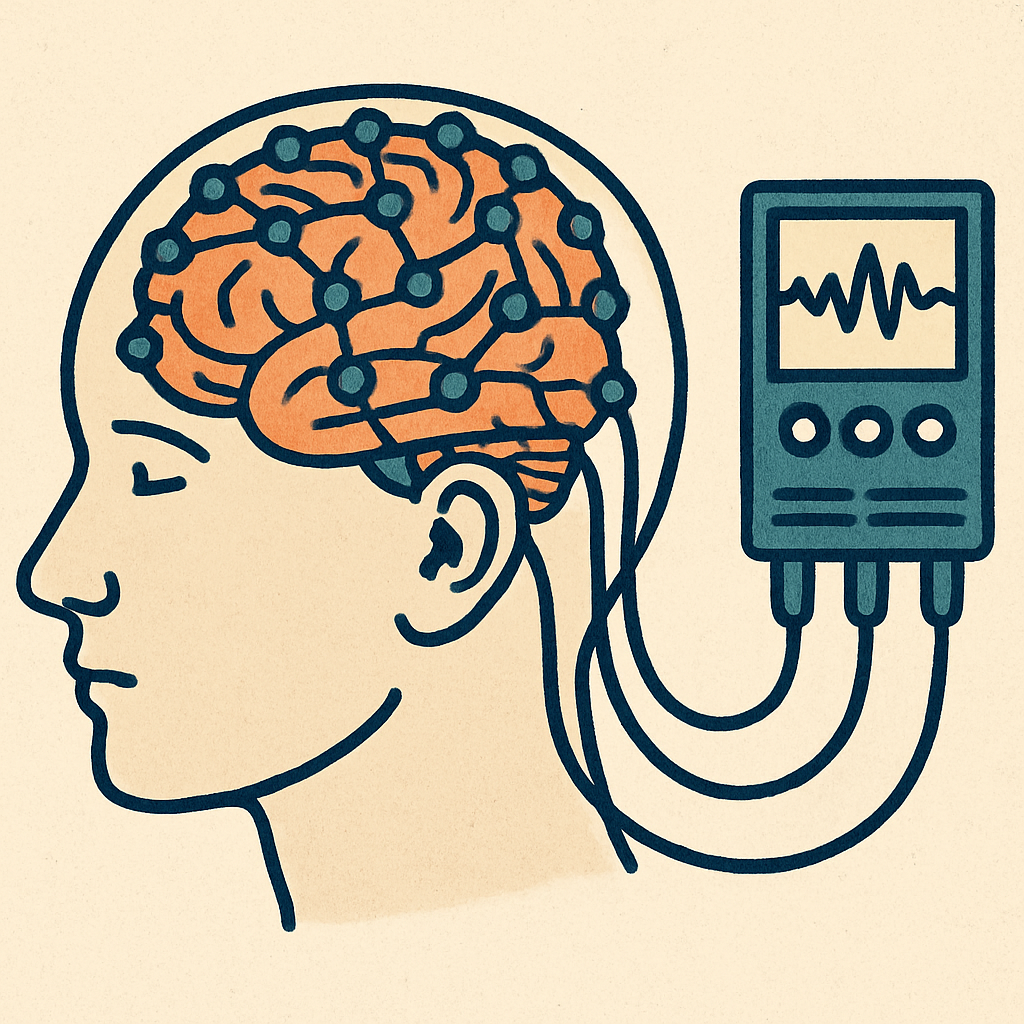
Breaking New Ground in Brain-Computer Interaction
Elon Musk’s Neuralink has been a topic of discussion for years, and in 2025, it has finally come of age. The Neuralink Interface is a revolutionary AI tool that connects human brains directly with computers. This brain-computer interface (BCI) opens up incredible possibilities for people with disabilities, allowing them to control devices with their thoughts. This technology marks a significant leap in assistive technologies, providing newfound independence to those with mobility and communication challenges.
Expanding Cognitive Capabilities
Beyond medical applications, Neuralink Interface is also paving the way for new forms of human-computer interaction, enhancing cognitive abilities, and even enabling telepathic communication. Researchers are exploring its potential to augment memory, accelerate learning processes, and facilitate seamless interaction with digital environments. As these capabilities develop, we may witness a new era of cognitive enhancement that could redefine human potential.
The Future of Human-Technology Symbiosis
As the technology matures, we can expect it to transform how we interact with the digital world. The implications for entertainment, education, and even social interactions are profound. Imagine immersive virtual reality experiences controlled by thought or educational programs tailored to individual cognitive strengths and weaknesses. Neuralink is not just a technological marvel; it is a glimpse into a future where human and machine collaboration is seamless and intuitive.
- AI-Powered Cybersecurity with Darktrace

by SCARECROW artworks (https://unsplash.com/@scarecrow_artworks)
Real-Time Threat Detection
In an era where cyber threats are ever-evolving, Darktrace stands out as a leader in AI-powered cybersecurity. This tool uses machine learning to detect and respond to threats in real-time, often before they can cause any harm. By learning the normal behavior of users and systems, Darktrace can identify anomalies that may indicate a cyber attack. The ability to preemptively identify threats is revolutionizing the way organizations approach cybersecurity.
Adapting to an Ever-Changing Threat Landscape
Darktrace’s self-learning AI adapts to new threats as they emerge, making it a crucial tool for businesses and organizations that need to protect sensitive data. Its dynamic learning capabilities ensure that the system evolves alongside emerging threats, providing a robust defense against sophisticated cyber-attacks. This adaptability is crucial in a digital landscape where new vulnerabilities are discovered daily.
Autonomous Response Capabilities
Its ability to provide autonomous response capabilities ensures that security teams are always one step ahead of potential threats. By automating responses to detected threats, Darktrace reduces the burden on human operators and minimizes the window of opportunity for attackers. This proactive approach not only safeguards valuable data but also enhances overall organizational resilience against cyber threats.
- JasperAI: Elevating Customer Experience
Transforming Customer Interactions
JasperAI is an intelligent virtual assistant designed to enhance customer experiences. Unlike traditional chatbots, JasperAI uses advanced natural language processing to understand and respond to customer inquiries with human-like accuracy. It can handle complex queries, provide personalized recommendations, and even learn from interactions to improve over time. This level of sophistication is revolutionizing customer service, offering a more seamless and satisfying user experience.
Personalization and Efficiency
Businesses are leveraging JasperAI to provide 24/7 customer support, reduce response times, and enhance overall customer satisfaction. Its ability to integrate with existing customer relationship management systems makes it a versatile tool for companies looking to optimize their customer service operations. By personalizing interactions and streamlining processes, JasperAI helps businesses foster stronger relationships with their customers.
The Business Impact
The impact of JasperAI goes beyond customer service. By analyzing customer interactions, businesses can gain valuable insights into consumer behavior and preferences, informing product development and marketing strategies. This data-driven approach enables companies to stay ahead of market trends and make informed decisions, ultimately driving growth and innovation.
- OpenAI’s GPT-4: Pushing the Boundaries of Language Models
The Evolution of Natural Language Processing
OpenAI’s GPT-4 is the latest iteration of its groundbreaking language model, and it continues to set new standards for natural language processing. GPT-4’s ability to understand and generate human-like text has applications in content creation, translation, and even software development. This evolution in language models is not just about improved accuracy but also about expanding the horizons of what AI can achieve in understanding and generating human language.
Applications Across Industries
With enhanced capabilities and improved accuracy, GPT-4 is being used across industries to automate tasks that involve language comprehension and generation. Whether it’s writing articles, composing emails, or coding, GPT-4 is helping professionals work more efficiently and creatively. Its applications are vast, ranging from automating routine tasks to assisting in complex problem-solving scenarios.
Aiding Innovation and Creativity
GPT-4 is not just a tool for automation; it’s a catalyst for creativity and innovation. By taking over repetitive and mundane tasks, it frees up human creativity, allowing professionals to focus on strategic and innovative endeavors. This shift not only boosts productivity but also fosters an environment where new ideas can flourish, driving progress across various fields.
Conclusion
The AI tools of 2025-26 are transforming how we create content, interact with technology, secure our digital spaces, enhance customer experiences, and process language. As these tools continue to evolve, they will unlock new opportunities and reshape industries in ways we are only beginning to imagine. Embracing these innovations will be key to staying competitive in an increasingly AI-driven world. Whether it’s through enhancing human capabilities or safeguarding digital landscapes, AI is poised to be at the forefront of the next technological revolution.
Q&A
Question: What are the five AI tools highlighted for 2025–26 and the areas they impact? Short answer: The list features SynthesiaAI (content creation and multilingual video), Neuralink Interface (brain–computer interaction and cognitive enhancement), Darktrace (autonomous cybersecurity), JasperAI (personalized, scalable customer experience), and OpenAI’s GPT-4 (advanced language understanding and generation). Together, they drive faster creation, real-time protection, deeper personalization, and human–machine symbiosis that boosts efficiency and creativity.
Question: How does SynthesiaAI change video production, and where is it being used? Short answer: SynthesiaAI converts text into professional videos using lifelike avatars that speak in any language, dramatically reducing time and cost. Its deep learning captures human expression and voice nuances, enabling uses in marketing, education, entertainment (virtual hosts/characters), and corporate training and internal communications.
Question: What makes the Neuralink Interface transformative, and who benefits first? Short answer: Neuralink directly links the brain to computers, allowing people with mobility or communication challenges to control devices by thought—an assistive technology breakthrough. Research also points to augmenting memory, speeding learning, enabling telepathic-like interaction, and powering thought-controlled VR and personalized education.
Question: How does Darktrace detect and stop cyber threats in real time? Short answer: Darktrace learns normal user and system behavior, flags anomalies that signal attacks, and continuously adapts to new threats. Its autonomous response capabilities act immediately to contain incidents, easing the load on security teams and minimizing attackers’ windows of opportunity.
Question: In what ways does JasperAI outperform traditional chatbots, and what business value does it deliver? Short answer: JasperAI uses advanced NLP to handle complex queries, personalize responses, and learn from interactions while integrating with CRM systems. This enables 24/7 support, faster responses, higher customer satisfaction, and analytics that inform product development and marketing strategies.
Question: Why is GPT-4 pivotal for language-driven work across industries? Short answer: GPT-4 excels at understanding and generating human-like text for tasks such as content creation, translation, email writing, and even coding. By automating routine language work, it boosts efficiency and frees professionals for strategic, creative efforts, catalyzing innovation.