
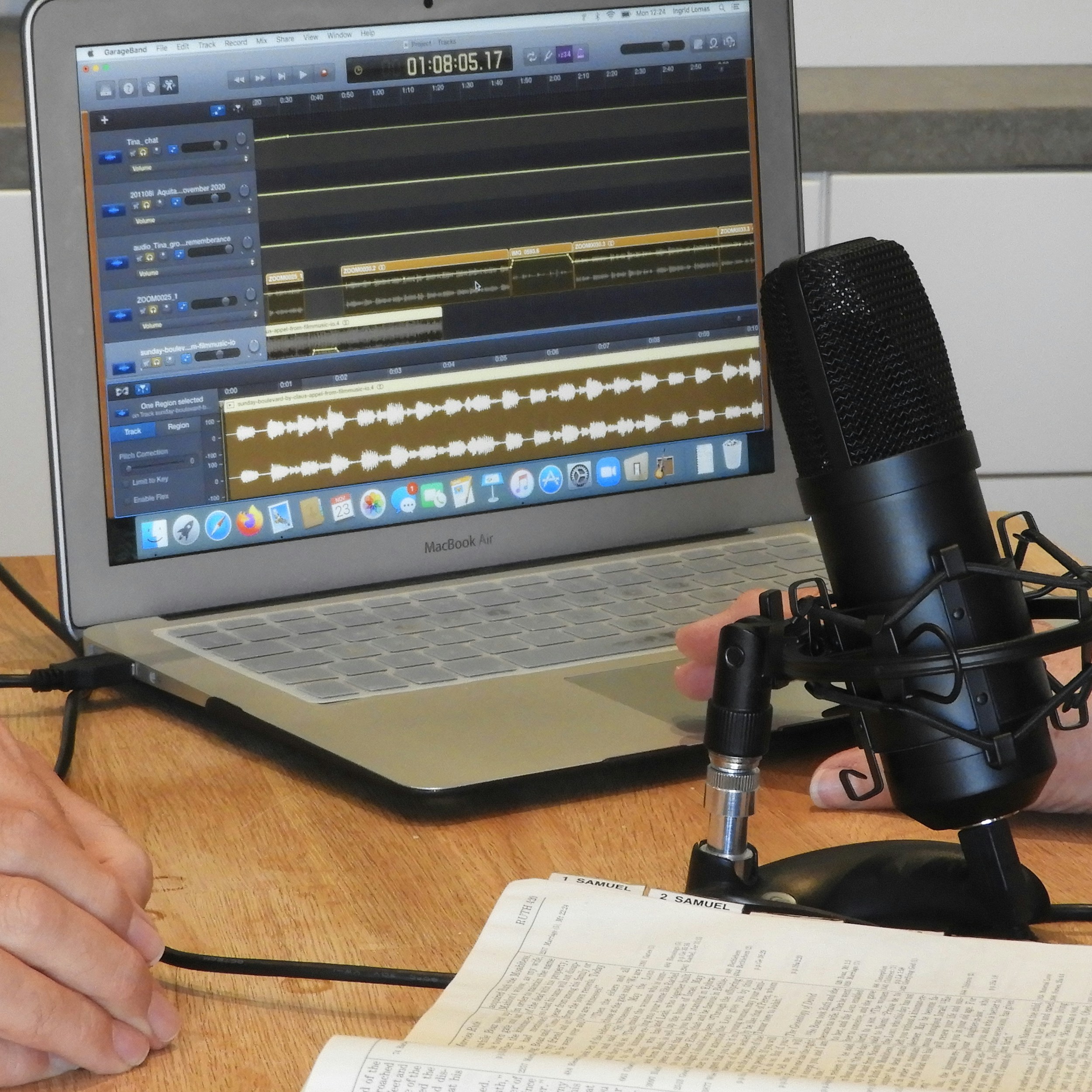
Introduction to Vocal Recording Software
Vocal recording software plays a pivotal role in the music industry, podcasting, and content creation, allowing users to capture, manipulate, and produce audio with enhanced clarity and quality. Over the years, this type of software has evolved significantly, transitioning from analog devices to sophisticated digital platforms that offer a wide array of features. In the past, recording was primarily confined to professional studios, but advancements in technology have democratized the process, making vocal recording software accessible to musicians, podcasters, and creators of all skill levels.
The importance of vocal recording software cannot be overstated. Whether you are a budding artist trying to get your first demo out or an experienced podcaster looking to refine your audio quality, the right software can be the difference between a mediocre recording and a professional-sounding product. In 2025, selecting the appropriate software is crucial, as it not only impacts the recording process but also the overall production quality. Today’s software offers features such as multi-track recording, pitch correction, virtual instruments, and extensive effects libraries, making it essential for users to be well-informed when choosing the right platform.
When evaluating vocal recording software, one must consider several fundamental features. These include user-friendly interfaces, compatibility with various operating systems, and support for plugins. Furthermore, the incorporation of cloud technology has transformed how vocal recordings are stored and shared, allowing for seamless collaboration among creators worldwide. As technology continues to evolve, the landscape of vocal recording software is becoming increasingly sophisticated, offering unprecedented choices for users striving to achieve high-quality audio results. Understanding these trends is essential for making an informed decision when investing in vocal recording software.
Criteria for Selecting Vocal Recording Software
When choosing vocal recording software, it is essential to evaluate key criteria that align with individual needs and production goals. These criteria will help users to make an informed decision in a market saturated with options. First and foremost is usability. The user interface should be intuitive, enabling both beginners and experienced users to navigate easily. A steep learning curve may deter users from fully utilizing the software’s capabilities, so it is important to select software that offers tutorials or a supportive community.
Compatibility is another critical factor. Vocal recording software should seamlessly operate across various operating systems, whether Windows, macOS, or Linux. This versatility ensures that users can work on their preferred devices without encountering major technical issues. Additionally, the software should support different audio formats. This compatibility facilitates easier collaboration with musicians and sound engineers who may use different platforms or recording setups.
Essential features also play a pivotal role in the selection process. A robust set of editing tools, including effects such as reverb, compression, and equalization, can significantly enrich the final quality of recordings. Furthermore, features like multi-track recording, pitch correction, and automation can enhance productivity and creativity during the recording process. Users should assess which features are indispensable for their projects and look for software options that excel in these areas.
Finally, pricing options warrant consideration. The software may offer either subscription-based pricing or a one-time purchase model. Each approach has its benefits and drawbacks, depending on the user’s financial preferences and anticipated usage frequency. Evaluating these criteria will provide a comprehensive framework for comparing different vocal recording software, making it easier to find the perfect solution tailored to specific requirements. For further insights, exploring reviews on platforms such as mmangla.com can also be beneficial.
The Top 5 Vocal Recording Software of 2025
As we advance into 2025, vocal recording software continues to evolve, catering to a diverse array of users, from professional musicians to amateur podcasters. Below is a curated list of the top five vocal recording software options, each distinguished by unique features that enhance the recording experience.
1. Pro Tools: Recognized as the industry standard, Pro Tools offers unparalleled audio editing capabilities. Its advanced mixing options and extensive plugin support make it ideal for professional studios. While it can be expensive and has a steep learning curve, the quality it delivers is unmatched. Ideal for large-scale music productions, it also supports comprehensive podcast editing.
2. Ableton Live: Known for its real-time capabilities, Ableton Live is favored by electronic music producers and performers. Its user-friendly interface and robust functionality allow for both studio and live settings. Although it focuses heavily on loop-based music creation, its vocal recording features are reliable, providing creative flexibility during the recording process.
3. Audacity: This open-source software is a favorite among beginners and hobbyists. Audacity offers a straightforward interface and essential tools for recording and editing vocals. Its compatibility with various operating systems and free availability make it accessible. However, it may lack some advanced features offered by premium software, making it less suitable for professional use.
4. Logic Pro X: Tailored for Mac users, Logic Pro X boasts an extensive library of instruments and loops. Its powerful vocal editing tools enable seamless pitch correction and vocal layering. While it may require an initial investment, its capabilities make it an excellent choice for aspiring musicians as well as seasoned producers seeking high-quality results.
5. mmangla.com: As a newer entrant, mmangla.com combines ease of use with powerful features, offering cloud-based recording capabilities ideal for remote collaborations. Users appreciate its built-in effects and intuitive interface. While it may not yet rival the established giants, its modern approach and accessibility are commendable for home recording enthusiasts and small teams.
Each of these software options presents unique advantages catering to various recording needs and user preferences. The right choice ultimately depends on individual requirements and workflow, whether one leans towards professional production or casual home recording.
Conclusion and Recommendations
After an in-depth exploration of the top vocal recording software available in 2025, it is evident that selecting the appropriate tool for vocal recording is crucial for any musician or podcaster aiming to achieve high-quality results. Each software reviewed offers unique features catering to different needs, whether for home studios, professional settings, or for beginners just embarking on their recording journey.
For novice users, it is advisable to consider software that prioritizes ease of use and intuitive interfaces. Options like GarageBand and Audacity stand out as user-friendly platforms, providing essential recording functions without overwhelming beginners. These tools also have plenty of online resources and community support available, which can help new users to effectively utilize the software’s capabilities.
On the other hand, advanced users might lean towards more sophisticated solutions like Pro Tools or Logic Pro X. These platforms not only provide extensive functionality but also support complex editing and mixing processes that seasoned professionals demand. Users with experience will appreciate the finer control these applications offer, as they can tailor their workflows to specific recording scenarios, enhancing productivity and creativity.
Furthermore, it is crucial to assess the intended use of the software—whether for casual home recordings or professional studio sessions. Some applications are optimized for particular environments and may provide additional functionalities to enhance the recording experience. Therefore, it is recommended to try out demo versions where available to ascertain which software aligns best with individual preferences and recording styles.
We encourage readers to share their experiences with different vocal recording software on platforms like mmangla.com, forming an interactive community that allows users to benefit from collective insights. Ultimately, with varied options catering to unique needs, the right choice can significantly impact your vocal recording journey.