
Top 5 Vitamin D Supplements for Health
Vitamin D is vital for our health. It supports bone strength, immune function, and mood balance. Yet, many people don’t get enough.
Low vitamin D can cause fatigue, bone pain, and muscle weakness. Women might also face mood swings and hair loss.
Sunlight is a natural source of vitamin D. But factors like skin color and sunscreen can limit its production.
Foods high in vitamin D include fatty fish, fortified dairy, and egg yolks. These can help boost your intake.
Supplements are a convenient way to ensure adequate vitamin D levels. They are especially useful for those with limited sun exposure.
Choosing the right supplement can be tricky. It’s important to consider factors like dosage and form.
Vitamin D3 is often preferred for its effectiveness. It raises blood levels more efficiently than D2.
In this guide, we’ll explore the top 5 vitamin D supplements. We’ll help you find the best option for your needs.
Why Vitamin D Is Essential for Health
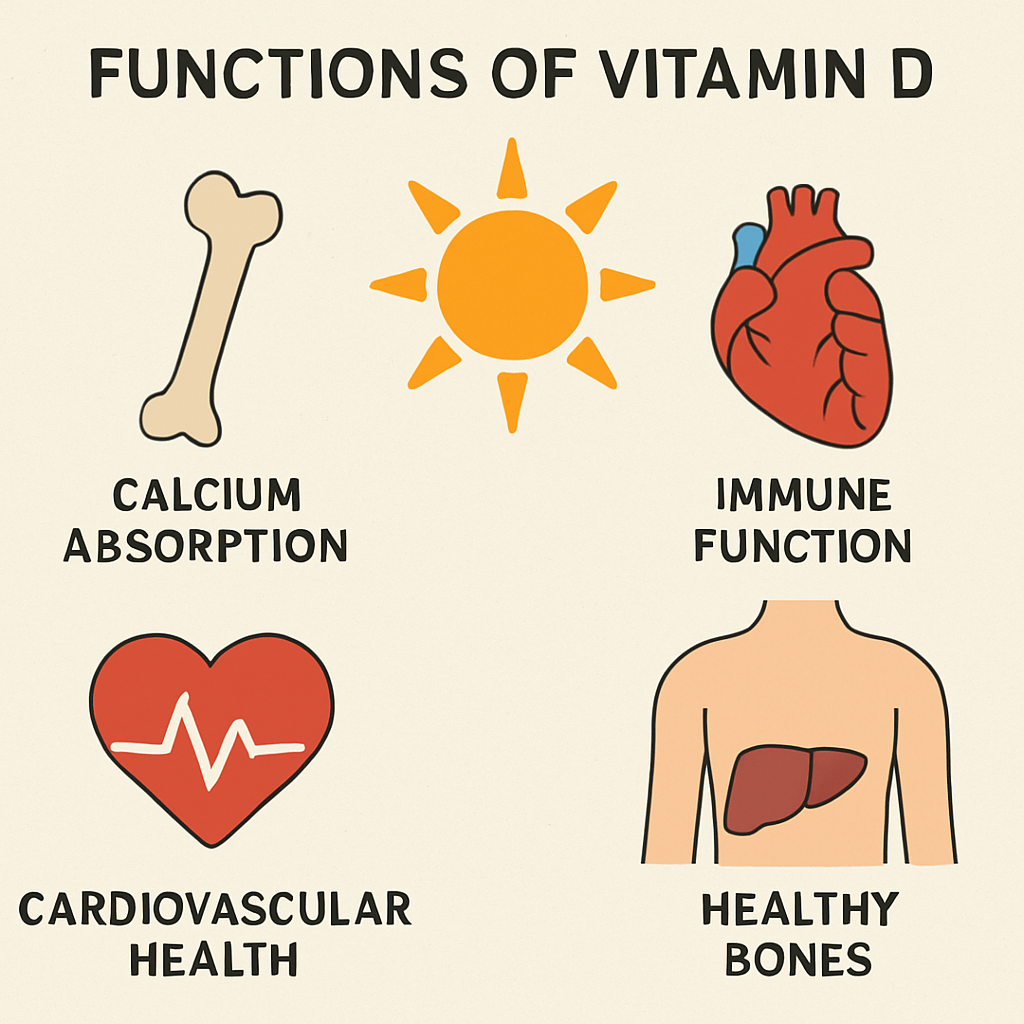
Vitamin D plays a crucial role in maintaining bone health. It helps the body absorb calcium, which is vital for strong bones.
Without enough vitamin D, bones can become thin and brittle. This increases the risk of fractures and osteoporosis.
But vitamin D is not just about bones. It also supports immune system function, helping the body fight infections.
Low levels of vitamin D can be linked to increased chances of illness. This includes frequent colds and respiratory issues.
Additionally, vitamin D is known to influence mood. It’s involved in brain function and has been linked to mood regulation.
A deficiency in this vitamin can lead to mood swings and even depression. This highlights its broader role in mental well-being.
Vitamin D has benefits that include:
- Supporting bone density
- Boosting immune health
- Improving mood
- Reducing inflammation
Research suggests that vitamin D might also help reduce inflammation. This is crucial for preventing chronic diseases.
Symptoms and Causes of Vitamin D Deficiency
Vitamin D deficiency can manifest subtly at first. However, it eventually leads to several noticeable health issues.
Common symptoms include fatigue and general tiredness. These symptoms often go unnoticed as signs of deficiency.
Muscle weakness and bone pain are more obvious indicators. They often point directly to inadequate vitamin D levels.
Women may experience unique symptoms. These can include mood swings and hair loss, which are less common but significant.
A weakened immune system is another red flag. Frequent sickness or colds can signal low vitamin D status.
Several factors contribute to vitamin D deficiency. Here are common causes:
- Limited sun exposure
- Darker skin pigmentation
- Dietary restrictions
- Medical conditions affecting absorption
Sunlight is a key source of vitamin D. However, geographical location and lifestyle can limit exposure.
Certain diets may lack adequate vitamin D-rich foods. This is particularly true for those avoiding dairy and fatty fish.
 by Natali Hordiiuk (https://unsplash.com/@whynotnatali)
How to Get More Vitamin D: Sun, Food, and Supplements
Increasing your vitamin D intake involves a multipronged approach. This includes maximizing sun exposure, consuming the right foods, and considering supplements.
Sunlight is the most natural source of vitamin D. Exposing your skin to the sun enables your body to produce vitamin D naturally.
Aim to spend 10 to 30 minutes in direct sunlight several times a week. Adjust the exposure based on your skin type and local climate conditions.
Next, include foods rich in vitamin D in your diet. Foods alone often cannot provide enough vitamin D, especially if sun exposure is limited.
Supplements offer a convenient way to boost vitamin D levels. They are particularly beneficial for those with dietary restrictions or limited sun exposure.
Consider a supplement if your lifestyle or health conditions limit these other sources. Consulting a healthcare provider is wise before starting any supplement.
Try integrating the following practices:
- Spend time outdoors daily.
- Eat fortified or naturally rich vitamin D foods.
- Use supplements if necessary.
 by Shamblen Studios (https://unsplash.com/@shamblenstudios)
Foods High in Vitamin D
A well-balanced diet can help increase vitamin D levels. Focus on incorporating specific foods known for their vitamin D content.
Fatty fish are among the best sources. Salmon, mackerel, and sardines provide a hearty dose of this essential nutrient.
Fortified foods also play a crucial role. Many cereals, dairy products, and plant-based milk have added vitamin D.
Egg yolks are another valuable source. They offer a natural, versatile option for increasing vitamin D intake.
Consider adding these foods to your meals:
- Oily fish like salmon and mackerel
- Fortified dairy and plant milk
- Egg yolks
A varied diet can significantly boost vitamin D levels. Incorporating these foods is simple and effective.
 by engin akyurt (https://unsplash.com/@enginakyurt)
Vitamin D from the Sun
The sun is a powerful ally in producing vitamin D. Ultraviolet rays prompt your skin to synthesize this vital nutrient.
Skin exposure to sunlight is the most efficient method. Just a few short sessions per week may suffice for many individuals.
However, multiple factors influence sunlight’s effectiveness. These include skin pigmentation, time of day, and geographical location.
If you live at higher latitudes or have darker skin, you might need longer sun exposure. Sunscreen use also impacts vitamin D synthesis.
Optimal practices for sun exposure include:
- Heading outside midday when the sun is strongest
- Exposing arms and legs for vitamin production
- Balancing sun exposure with skin protection
These habits can significantly contribute to raising your vitamin D levels naturally.
 by The Indian Face (https://unsplash.com/@theindianface)
Types of Vitamin D: D2 vs. D3
Vitamin D is not a single compound but exists in two primary forms: D2 and D3. Each type offers different sources and benefits.
Vitamin D2, or ergocalciferol, is sourced from plants and fungi. It is often found in fortified foods and supplements suitable for vegans.
On the other hand, vitamin D3, or cholecalciferol, is derived from animal sources. It is naturally present in fish, eggs, and synthesized through sun exposure on the skin.
D3 is generally considered more effective at raising blood levels of vitamin D. It is more potent and has a longer duration of action in the body than D2.
When deciding between D2 and D3, consider your dietary preferences and health needs. Those following a plant-based diet may opt for D2, while others might choose D3.
Key differences between D2 and D3:
- Sources: D2 from plants, D3 from animals
- Potency: D3 is more effective
- Suitability: D2 is ideal for vegans
Understanding these distinctions helps in choosing the right supplement for your lifestyle.
 by Leohoho (https://unsplash.com/@leohoho)
How to Choose the Best Vitamin D Supplement
Selecting the right vitamin D supplement requires careful consideration of several factors. This ensures you get the best results for your health needs.
First, decide between vitamin D2 and D3. As mentioned, D3 is often preferred for its potency. However, D2 remains a viable option for those on a vegan diet.
Next, consider the supplement form. Common options include capsules, softgels, and liquids. Choose based on ease of swallowing and personal preference.
Review the dosage on the label. The recommended vitamin D3 dosage for adults generally ranges from 600 IU to 800 IU daily. However, individual needs may vary.
Check for third-party testing. Ensuring the supplement is verified for purity and potency adds an extra layer of trust.
Price and brand reputation also play a role in the decision-making process. Established brands like Nature Made and Nordic Naturals offer high-quality options.
Here’s a quick checklist to guide your selection:
- Form: Capsules, softgels, or liquids
- Type: D2 for vegans, D3 for most adults
- Dosage: Recommended range for your needs
- Verification: Third-party testing for purity and potency
- Reputation: Reliable brand with positive reviews
By weighing these factors, you can confidently choose a vitamin D supplement that aligns with your health goals.
 by Diamond Rehab Thailand (https://unsplash.com/@diamondrehabthailand)
Top 5 Vitamin D Supplements for Health
Choosing the right vitamin D supplement can optimize health benefits. This section highlights the top five vitamin D supplements available.
These supplements are chosen based on their effectiveness, ingredient quality, and customer feedback. They aim to improve bone health, boost immunity, and enhance mood.
Each supplement offers unique features and benefits. We explore these attributes to help you decide which is best for you.
Here’s a quick look at our top picks:
- Nature Made Vitamin D3
- Nordic Naturals Vitamin D3
- Garden of Life Vitamin D3
- Sports Research Vitamin D3
- NOW Foods Vitamin D3
Each supplement offers different strengths and benefits tailored to diverse health needs.
 by Diamond Rehab Thailand (https://unsplash.com/@diamondrehabthailand)
1. Nature Made Vitamin D3
Nature Made is renowned for quality and affordability. Their Vitamin D3 supplement provides 2000 IU per serving, ideal for supporting bone and immune health.
This supplement uses D3, a form known for its efficacy in raising vitamin D levels in the blood. It is free from artificial flavors, colors, and preservatives, ensuring a pure product.
The capsules are easy to swallow, making daily consumption simple and convenient. Many users appreciate its potency and value for money.
Key benefits include:
- Supports bone, teeth, and immune health
- Verified by United States Pharmacopeia (USP)
- Gluten-free and made with no synthetic dyes
It is a popular choice for those seeking high-quality, evidence-backed vitamin D3.
 by Supliful – Supplements On Demand (https://unsplash.com/@supliful)
2. Nordic Naturals Vitamin D3
Nordic Naturals offers a high-potency Vitamin D3 supplement known for its purity. Each serving provides 1000 IU to ensure optimal absorption and efficacy.
This product is third-party tested, guaranteeing potency and purity. It’s non-GMO and contains no artificial colors or preservatives.
Nordic Naturals uses a lipid-based liquid form in softgels, enhancing bioavailability. Users often praise the pleasant lemon flavor.
Key features include:
- Supports mood and immune function
- Sustainably sourced and ethically made
- Triglyceride-form for better absorption
Nordic Naturals ensures quality with a commitment to sustainable practices.
3. Garden of Life Vitamin D3
Garden of Life is known for its organic, whole-food-based supplements. Their Vitamin D3 supplement offers 2000 IU sourced from lichen, suitable for vegans.
This product is certified organic and non-GMO, appealing to those seeking natural ingredients. Each serving supports calcium absorption and bone health.
The tablets are easy to take, offering a simple daily supplement. Customers value its plant-based content and excellent quality.
Standout features include:
- Supports immune and heart health
- Made with real food ingredients and no synthetic chemicals
- Certified USDA organic
Ideal for health-conscious individuals wanting a clean, natural supplement.
 by Alexander Shustov (https://unsplash.com/@alexandershustov)
4. Sports Research Vitamin D3
Sports Research’s Vitamin D3 is designed for enhanced absorption. It provides 5000 IU of D3, suspended in coconut oil for superior uptake.
The supplement is third-party tested, confirming strength and purity. It’s free from soy, gluten, and artificial preservatives.
Each softgel delivers high potency, supporting various health benefits. Many users appreciate the higher dosage for specific health strategies.
Notable benefits:
- Promotes bone strength and immune support
- Uses organic coconut oil for better absorption
- Certified non-GMO and gluten-free
An excellent option for those needing higher vitamin D3 intake.
 by Corentin Largeron (https://unsplash.com/@croccol)
5. NOW Foods Vitamin D3
NOW Foods offers a reputable, budget-friendly vitamin D supplement. Their Vitamin D3 provides 1000 IU per serving, supporting various health benefits.
This supplement is non-GMO and free from gluten, soy, and dairy, ensuring accessibility for those with dietary restrictions.
Each softgel is formulated to support immune health and calcium absorption. Users commend its high quality and affordability.
Key aspects include:
- Supports healthy immune function and strong bones
- Packaged in softgels for easy swallowing
- Verified by an independent lab for quality assurance
NOW Foods is well-respected for providing quality supplements at affordable prices.
 by pouchdirect Ausatralia (https://unsplash.com/@pouchdirect_au)
Comparing the Top 5: Pros, Cons, and Unique Features
Understanding the pros and cons of each supplement will help you choose the best fit.
Pros of Top Vitamin D Supplements
- Nature Made Vitamin D3
- Affordable and accessible
- Verified by USP for quality
- Nordic Naturals Vitamin D3
- High purity with a pleasant taste
- Sustainably sourced ingredients
- Garden of Life Vitamin D3
- Vegan-friendly and organic
- Derived from whole food sources
- Sports Research Vitamin D3
- High potency for special needs
- Uses organic coconut oil for absorption
- NOW Foods Vitamin D3
- Budget-friendly
- Non-GMO and third-party tested
Cons of Top Vitamin D Supplements
- Nature Made Vitamin D3
- Some users dislike the tablet size
- Nordic Naturals Vitamin D3
- May be more costly due to premium sourcing
- Garden of Life Vitamin D3
- Higher price point for certified organic
- Sports Research Vitamin D3
- High dose may not be necessary for all
- NOW Foods Vitamin D3
- Basic formula may lack added nutrients
 by Marco Palumbo (https://unsplash.com/@sapporo2025)
These supplements offer diverse features catering to different health needs and preferences. Consider sustainability, dietary needs, and budget when choosing.
Each product has unique strengths. Whether you prioritize purity, budget, or potency, there’s a suitable option. Review your health goals to determine which product aligns best with your needs.
How Much Vitamin D Should You Take?
Determining the right amount of vitamin D to take is crucial for maintaining optimal health.
Adults typically need between 600 to 800 IU of vitamin D daily. This amount helps support bone health and overall well-being. However, individual needs can vary based on age, lifestyle, and health status.
Factors like limited sun exposure, darker skin pigmentation, and age may increase your vitamin D requirements. In such cases, a higher intake may be advisable. Always consult with a healthcare provider to tailor the dosage to your specific situation.
It’s essential to understand that more isn’t always better. Excessive vitamin D intake can lead to adverse effects, including nausea and potentially serious kidney issues. Staying within the recommended daily allowance ensures safety and efficacy.
Typical Vitamin D Requirements:
- Adults 19-70 years: 600-800 IU per day
- Adults over 70 years: 800-1000 IU per day
- Pregnant or breastfeeding women: Consult healthcare provider
 by Alexander Grey (https://unsplash.com/@sharonmccutcheon)
Monitor your vitamin D levels through regular blood tests. This approach ensures you maintain optimal levels and adjust supplementation as necessary. By balancing your intake, you support bone health, immune function, and overall vitality effectively.
Can You Take Too Much Vitamin D? Safety and Side Effects
Too much vitamin D can pose health risks. It’s crucial to understand the symptoms of excessive intake.
High levels of vitamin D can lead to toxicity, known as hypervitaminosis D. This condition results in elevated calcium levels in the blood, potentially causing various health issues.
Symptoms of vitamin D toxicity include nausea, vomiting, frequent urination, and weakness. Prolonged intake of high doses can lead to severe complications like kidney damage.
The upper safe intake level for adults is 4,000 IU per day. Sticking to this limit helps prevent adverse effects while reaping the benefits of vitamin D.
Signs of Vitamin D Toxicity:
- Nausea
- Vomiting
- Weakness
- Frequent urination
- Excessive thirst
 by Nik (https://unsplash.com/@helloimnik)
If you suspect you have overdosed on vitamin D, consult a healthcare provider immediately. Regularly monitoring blood levels can help avoid these complications. Ensuring a balanced intake is key to maintaining health and safety. Aim for moderation, and seek professional guidance to tailor supplementation to your needs.
Best Time and Way to Take Vitamin D Supplements
Taking vitamin D correctly enhances absorption and maximizes benefits. Timing and method of intake make a difference.
Vitamin D is fat-soluble, meaning it dissolves in fats and oils. Consuming it with a meal containing fat improves absorption.
Morning or afternoon? The choice depends on personal routines. Some find morning intake aligns with natural rhythms.
For those who prefer supplements at lunch, it still aids absorption. Consistency is key for maintaining stable vitamin D levels.
Tips for Taking Vitamin D:
- Pair with a meal containing fat
- Stay consistent with timing
- Adjust according to your routine
 by Tangerine Newt (https://unsplash.com/@tangerinenewt)
Avoid taking supplements on an empty stomach, as this reduces their efficacy. Incorporating them into daily habits ensures consistent intake.
When planning vitamin D supplementation, consider convenience and lifestyle. Simple adjustments can lead to improved health outcomes. Adjusting your routine slightly can significantly boost the benefits you receive.
Frequently Asked Questions About Vitamin D
Vitamin D can be a confusing topic for many. Here are answers to some common questions.
What is Vitamin D3 Good For?
Vitamin D3 supports bone health and immune function. It also aids calcium absorption, which is vital for maintaining strong bones.
What Foods Contain Vitamin D?
Few foods naturally have vitamin D. Some include fatty fish, liver, and egg yolks. Fortified foods like milk and cereals are also good sources.
How Much Vitamin D Should I Take?
Dosage varies based on age, exposure to sunlight, and health conditions. Most adults need 600-800 IU daily, but consult a healthcare provider.
Can You Take Too Much Vitamin D?
Yes, excessive intake may lead to toxicity. Symptoms include nausea, weakness, and in severe cases, kidney damage. Avoid mega-doses without medical advice.
How Long Does It Take for Vitamin D to Work?
Improvement might be noticed in weeks to months. However, individual factors such as baseline levels and overall health play a role.
Important Points:
- Vitamin D3 benefits bones and immunity.
- Fatty fish and fortified foods are key sources.
- Consult for personalized dosage guidance.
- Excess can lead to health risks.
- Effects may take time to manifest.
Understanding Vitamin D can empower informed health choices. Always seek professional advice for specific concerns. This helps avoid potential pitfalls while optimizing your well-being.
Conclusion: Choosing the Right Vitamin D Supplement for Your Needs
Selecting the best vitamin D supplement involves understanding your unique health needs. Consider factors like lifestyle, dietary habits, and specific health conditions.
Ensure the supplement fits well with your daily routine. For instance, if you prefer plant-based options, opt for a vitamin D2 supplement. Those seeking better absorption might benefit from D3, often derived from animal sources.
Consulting a healthcare professional can provide clarity. They can help tailor your vitamin D intake based on personal health goals and current vitamin levels.
When choosing a supplement, consider:
- Source: Plant-based or animal-derived
- Dosage: Match recommended daily intake
Remember, the right supplement supports optimal health. It should align with your lifestyle and medical needs, ensuring safety and efficacy. Embrace informed choices to bolster your health journey.