
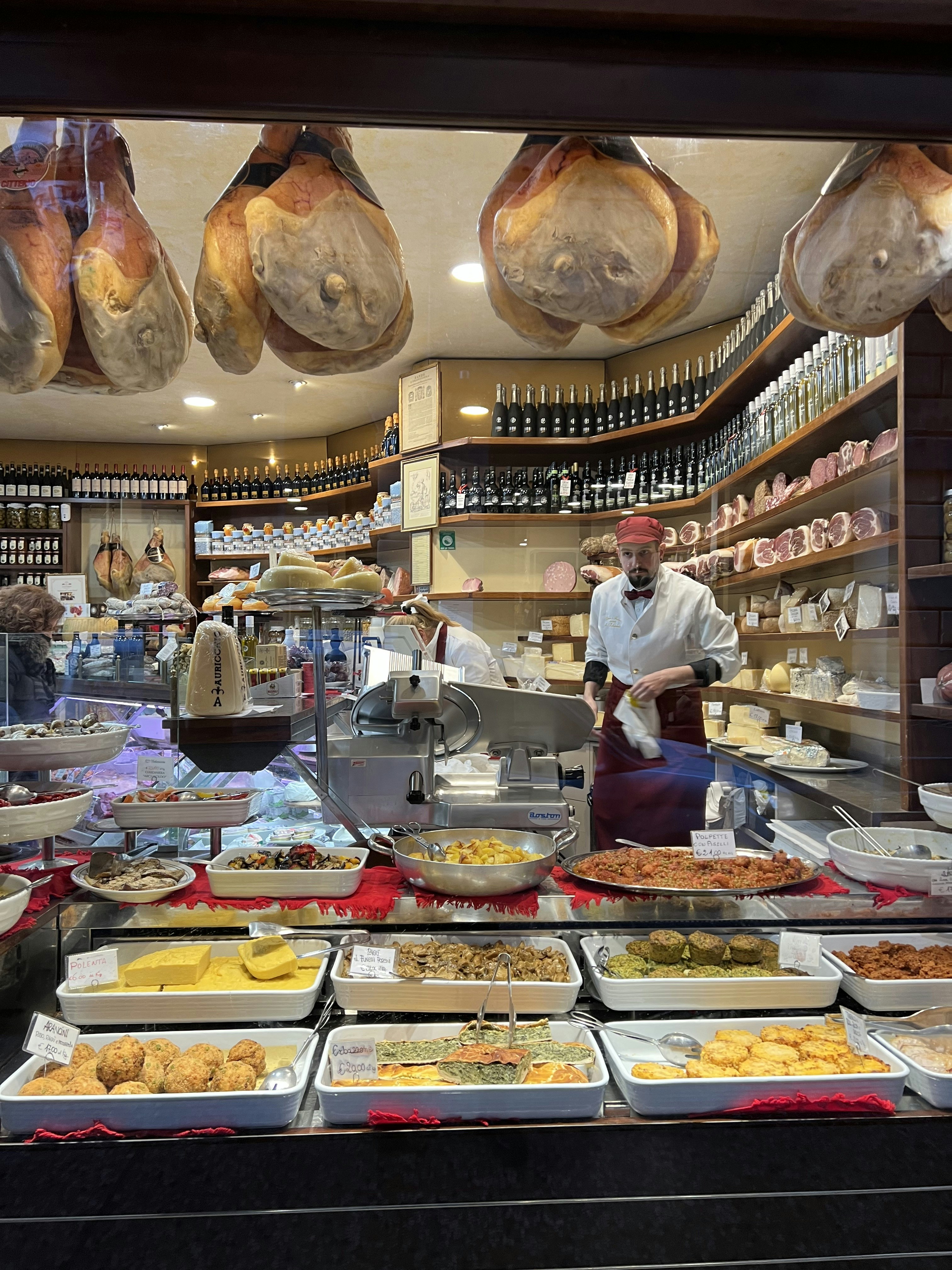
Introduction to Deli Foods
Deli foods have become a staple within American dining culture, reflecting the diverse influences that shape the United States’ culinary landscape. Originating from various immigrant communities, these foods have evolved to encompass a wide variety of offerings, from cured meats to hearty sandwiches. Traditionally, delis were known for selling ready-to-eat food that was convenient for patrons, providing them with quick meal options without sacrificing flavor or quality.
One of the defining characteristics of deli foods is their emphasis on fresh ingredients and time-honored preparation techniques. Many items found in delis, such as pastrami and corned beef, date back to Eastern European culinary traditions, highlighting how cultural heritage plays a crucial role in shaping American deli experiences. Furthermore, delis often also highlight regional specialties, showcasing the unique flavors and preferences across different parts of the USA.
Deli foods are not just limited to sandwiches; they include a plethora of items such as salads, soups, and platters that can be enjoyed in store or taken away. Their versatility makes them suitable for different occasions, from a quick lunch break to a more elaborate catering setup for gatherings and celebrations. As people seek out convenient yet delicious options, deli foods have become increasingly popular for both on-the-go consumption and special events, allowing for a satisfying dining experience that ranges from casual to gourmet.
This introduction sets the stage for a closer look at some of the top foods in the USA that are synonymous with deli culture. This curated list will highlight these culinary treasures, offering insights into why they have gained such popularity and significance among consumers and food enthusiasts alike.
Pastrami Sandwich
The pastrami sandwich stands as a quintessential example of top food in the USA, particularly renowned for its presence in delis nationwide. Originating from the Eastern European Jewish immigrant communities in the late 19th century, this sandwich has evolved into not just a meal, but a symbol of cultural heritage. Its rich history can be traced back to the early days of New York City delis, where the sandwich became a beloved staple.
A traditional pastrami sandwich consists of several key ingredients: extremely flavorful pastrami, a slice of rye bread, mustard, and often pickles. The pastrami itself, typically made from beef brisket, is cured with a unique blend of spices and smoked to perfection, providing a savory and aromatic experience. The preparation method is equally important; the pastrami is usually sliced thin and piled generously onto the bread, ensuring that each bite is a delightful combination of textures and flavors.
As a notable mention, it is crucial to recognize that while many delis strive for authenticity, each brings a unique twist to this beloved sandwich, contributing to its enduring popularity across the diverse landscape of American cuisine.
Reuben Sandwich
The Reuben sandwich is a quintessential deli item in the United States, loved for its hearty combination of flavors and textures. Although its exact origin remains a topic of debate, two main theories contend for authenticity. One suggests that the sandwich was created by Reuben Kulakowski, a Jewish deli owner in Omaha, Nebraska, while the other attributes its invention to Arnold Reuben, the owner of Reuben’s New York Restaurant. Regardless of its origins, the Reuben has firmly established itself as a staple in American delis.
The traditional Reuben is composed of several key ingredients: tender corned beef, tangy sauerkraut, melted Swiss cheese, and a slathering of Russian or Thousand Island dressing, all piled high between two slices of rye bread. This combination not only enhances its flavor but also offers a satisfying crunch when toasted. The interplay of savory, sour, and creamy elements creates a surprisingly diverse taste experience, making the Reuben sandwich a popular choice among deli patrons.
Making an exceptional homemade Reuben requires attention to detail. Start with high-quality corned beef; it’s advisable to use brisket that has been properly cured and seasoned. When layering your sandwich, place the cheese directly against the bread to prevent sogginess from the sauerkraut. This classic deli dish is best prepared on a grill or in a skillet, allowing for an even crispiness. Additionally, using fresh, artisan rye bread can elevate the sandwich to gourmet status.
For those seeking the best Reuben sandwiches in the USA, many delis have gained a reputation for crafting excellent versions of this classic. Noteworthy establishments include Katz’s Delicatessen in New York City and the famous Schwartz’s Deli in Montreal. Each deli offers its unique twist, ensuring that enthusiasts can enjoy this beloved meal in various forms.
Bagels and Lox
Bagels and lox represent an iconic food pairing deeply woven into the fabric of Jewish deli culture in the United States. This dish features boiled and baked bagels complemented by lox, which is thinly sliced cured salmon. The origins of this combination trace back to Eastern European Jewish immigrants who brought their culinary traditions to America, transforming the deli landscape.
Selecting the best bagels is crucial to achieving an authentic experience. A quality bagel should have a shiny, crispy exterior and a chewy interior. Many consider New York-style bagels to be the benchmark, made with high-gluten flour and boiled in water, allowing them to develop the unique texture. They come in various flavors, including plain, sesame, and everything, accommodating different taste preferences.
Lox, on the other hand, can vary significantly; it is essential to understand the types available. Common variations include nova lox, which is cured but not smoked, and traditional lox, which is salted and may undergo cold smoking. Each type offers a different flavor profile, making it essential to select according to one’s taste.
Traditional accompaniments to bagels and lox enhance this dish’s flavors and textures. Cream cheese is perhaps the most classic pairing, providing a rich, tangy contrast to the salty fish. Capers add a burst of brininess, while thinly sliced red onions and fresh dill contribute aromatic notes. Together, these ingredients create a balanced and satisfying culinary experience.
Renowned delis across the USA, such as Katz’s Delicatessen in New York City and Bruegger’s Bagels, serve exceptional bagels and lox, attracting both locals and tourists alike. These establishments uphold the traditions of Jewish deli culture, ensuring that this iconic dish remains a favorite among fans of top food in the USA.