
Introduction to Video Editing in 2025
The landscape of video editing in 2025 is characterized by rapid advancements in technology and an ever-increasing need for high-quality video content. Today, video editing software is crucial across various platforms, including social media, streaming services, and professional production houses. As we move into an era where visual storytelling is more prominent than ever, the demand for efficient and intuitive video editing tools has also surged.
In this digital age, users, ranging from amateur creators to professional filmmakers, require video editing software that not only boasts an array of sophisticated features but is also accessible and user-friendly. The market has responded to this need by offering myriad options, ensuring that even those without prior editing experience can produce engaging video content. As individuals and businesses alike recognize the value of video marketing and communication, the stakes for producing compelling video content continue to rise.
Moreover, the affordability of good video editing software has become a significant factor in the decision-making process for many users. With advancements in cloud technology and subscription-based models, high-quality editing solutions are now within reach of the average consumer. This shift towards competitive pricing has democratized video production, enabling creators to craft professional-grade videos without breaking the bank.
As we explore the top video editors of 2025, it is essential to understand that the selection criteria have evolved. Imagery quality, speed in editing, customer support, and compatibility with various devices are paramount. Platforms like mmangla.com are dedicated to evaluating these elements and providing insights into the best software options available today, ensuring that users can make informed choices tailored to their specific needs.
Criteria for Evaluating Video Editing Software
When assessing the best video editing software available, particularly in 2025, several critical criteria must be taken into account to ensure users choose a program that meets their personal or professional needs. At the forefront is ease of use; an intuitive interface can significantly enhance the user experience and minimize the learning curve. Software that addresses both novice and advanced users, allowing for straightforward navigation without compromising sophistication, is often more favorable.
Compatibility is another essential factor. The chosen software should be compatible with various operating systems, such as Windows, macOS, and Linux, thus catering to a broader audience. Furthermore, support for different video formats is vital, as not all users work with the same type of media. Programs that accommodate various formats provide greater flexibility and utility for creators.
Performance speed can dramatically affect the editing process. High-quality video editing software should perform smoothly without lag, especially when handling high-resolution footage or applying complex effects. This is particularly pertinent for users working with 4K videos or editing projects that require real-time playback.
Another important aspect to consider is the availability of advanced editing tools. Features such as color grading, audio editing, and a wide range of visual effects can enhance the overall quality of the final product. Customers increasingly appreciate comprehensive packages that offer a blend of essential and advanced features, as these tools contribute to more polished results.
Customer support plays a pivotal role as well. Efficient technical support can significantly alleviate user frustrations encountered during editing processes. Finally, the pricing structure of the software should also be evaluated. It is essential to find a balance between affordability and the features offered to ensure that users get their money’s worth. By analyzing these criteria, users can make informed decisions when selecting video editing software that aligns with their objectives and preferences.
Top 10 Video Editing Software of 2025
As we venture into 2025, the realm of video editing software has continued to evolve, offering a plethora of powerful tools for creators at all levels. Here, we present the top ten video editing software options that stand out in this competitive landscape.
1. **Adobe Premiere Pro**: A staple in the industry, Premiere Pro remains one of the best video editors due to its robust features and integration with other Adobe products. It excels in color grading and audio editing, making it ideal for professionals. Subscription-based pricing starts at $20.99/month.
2. **Final Cut Pro**: Exclusive to macOS, Final Cut Pro is favored by many content creators for its intuitive interface and powerful performance. Its magnetic timeline allows for smooth editing workflows. It is offered as a one-time purchase of $299.99.
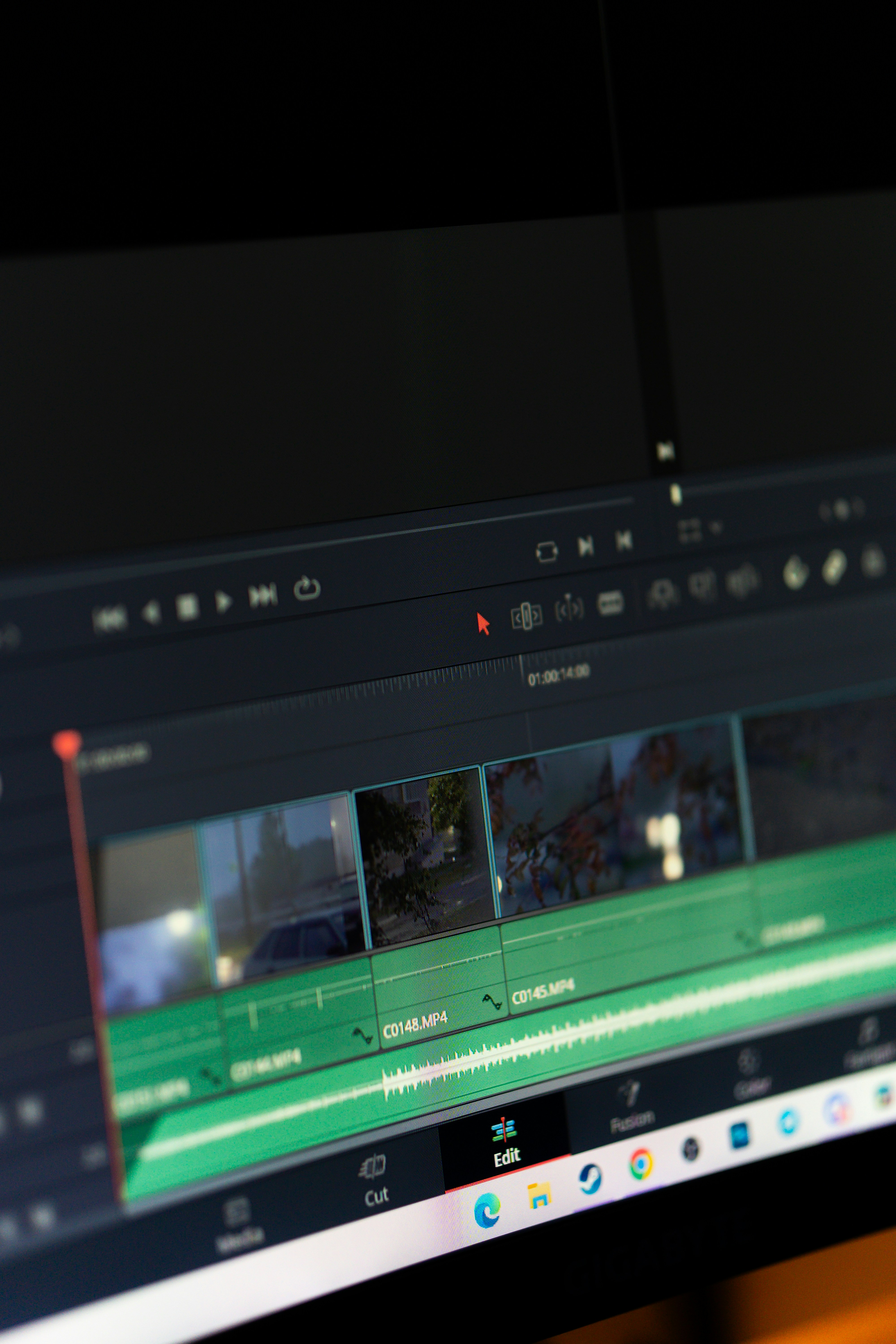
3. **DaVinci Resolve**: Known for its advanced color correction tools, DaVinci Resolve caters to both beginners and seasoned professionals. The free version provides substantial features, while the paid version costs $295. Its recent upgrades focus on enhancing AI capabilities for quicker editing processes.
4. **Filmora**: With an easy-to-use interface, Filmora is ideal for beginners wanting to dive into video editing. It boasts a library of stunning effects and a one-time pricing model starting at $69.99.
5. **HitFilm Express**: This software combines video editing and visual effects, making it suitable for aspiring filmmakers and YouTube content creators. Its free version offers basic tools, with advanced features available through a paid model.
6. **CyberLink PowerDirector**: Known for its speed and user-friendliness, PowerDirector offers tools for 360-degree video editing. Its features are updated frequently to keep up with industry standards, available via subscription or as a one-time purchase.
7. **Corel VideoStudio**: This software is appreciated for its ease of use, particularly for novice editors. With features such as multi-camera editing, pricing starts at $79.99, making it accessible for many.
8. **Sony Vegas Pro**: Vegas Pro is recognized for its rich set of features and strong performance in both video and audio editing. It’s targeted towards professionals and priced at $399.00 for a one-time purchase.
9. **Pinnacle Studio**: With a focus on animation and titles, Pinnacle Studio is a comprehensive tool for creative individuals. It is available in several tiers starting from $49.95.
10. **Lightworks**: Offering a professional-grade editing experience, Lightworks has a free version with limited functionalities and a pro version priced at $24.99/month. It’s favored by industry experts for its powerful editing features and reliability.
Video editing software continues to advance, with each option showcasing unique features that appeal to various user demographics. The enhancements made in 2025 solidify the standing of these tools in a rapidly evolving digital landscape.
Conclusion and Future Trends in Video Editing Software
The selection of appropriate video editing software is crucial for users ranging from amateurs to seasoned professionals. As technology progresses, the right tools can significantly enhance creativity and productivity. Hobbyists often seek user-friendly options that allow for easy editing and sharing of their content, while professionals require robust features and advanced functionalities to meet their intricate project demands. Platforms like mmangla.com can serve as a valuable resource for users to explore various software options to find what best suits their needs.
Looking ahead, there are several key trends anticipated to shape the future of video editing software. One prominent trend is the integration of artificial intelligence (AI) tools. These tools can automate repetitive tasks, such as sorting footage or applying color corrections, thus allowing editors to focus their efforts on more creative aspects of their projects. As AI continues to develop, we can expect more sophisticated features that enhance user experience and efficiency.
Another trend on the rise is the adoption of cloud-based editing solutions. This technology permits seamless collaboration among teams, regardless of their geographical locations. Editors can access projects in real time, making it easier to coordinate efforts and incorporate feedback swiftly. Furthermore, the possibility of real-time edits through mmangla.com and similar platforms expands the ways in which users interact with video content.
Moreover, the influence of virtual reality (VR) and augmented reality (AR) on editing workflows presents exciting possibilities. These technologies can create immersive experiences and open new avenues for storytelling, pushing the boundaries of traditional video editing. As we move beyond 2025, it is evident that video editing software will continue to evolve, prompting users to adapt and explore innovative editing methods and tools in an ever-changing digital landscape.