
Essential Tips for Maintaining Good Health
Good health is a treasure that requires care and attention. It is not just the absence of illness.
Health encompasses physical, mental, and social well-being. Each aspect plays a vital role in our lives.
Maintaining good health involves making informed choices. These choices impact our bodies and minds.
A balanced diet and regular exercise are key components. They provide the foundation for a healthy lifestyle.
Mental health is equally important. Stress management and emotional support are crucial for well-being.
Community health choices can influence personal health outcomes. Engaging with community resources can offer support.
Incorporating diverse foods, like mochi, can enrich our diets. Exploring cultural foods adds variety and nutrition.
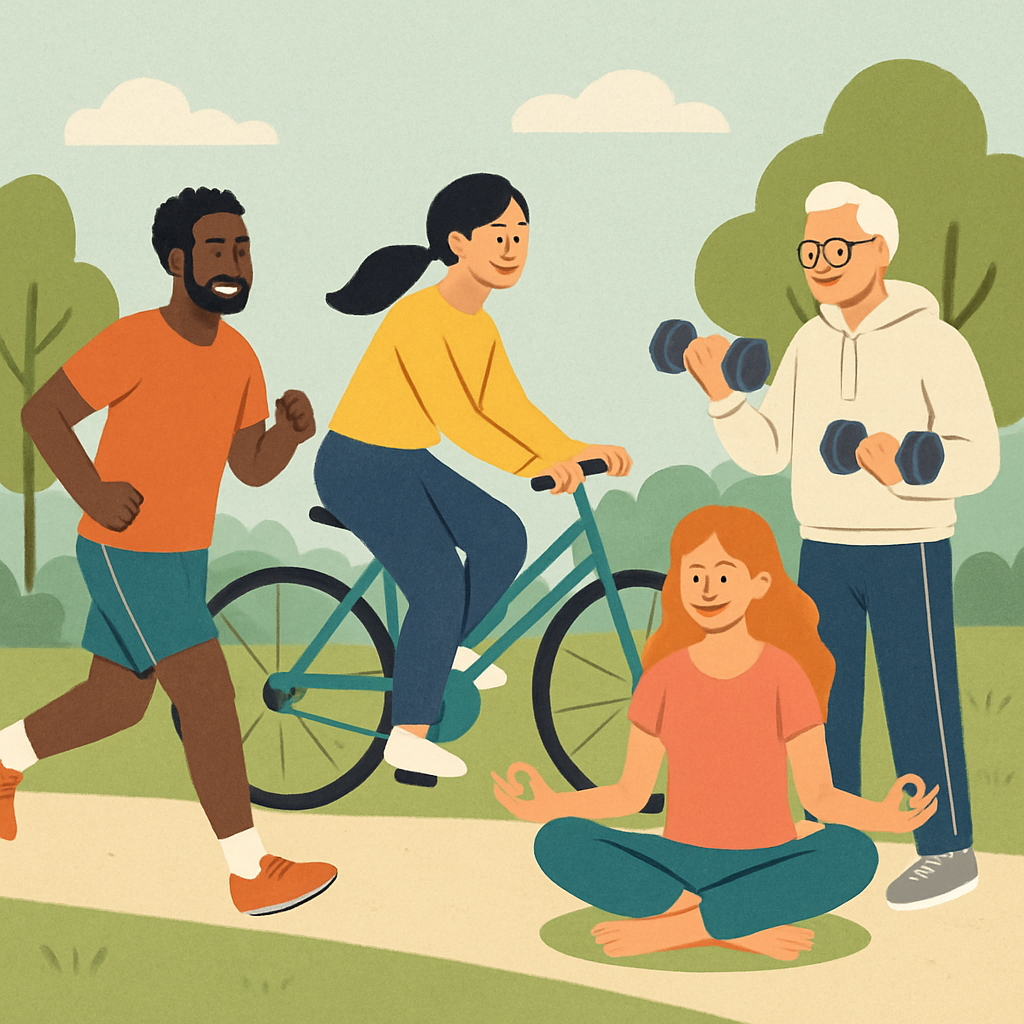
Understanding Health: A Holistic Approach
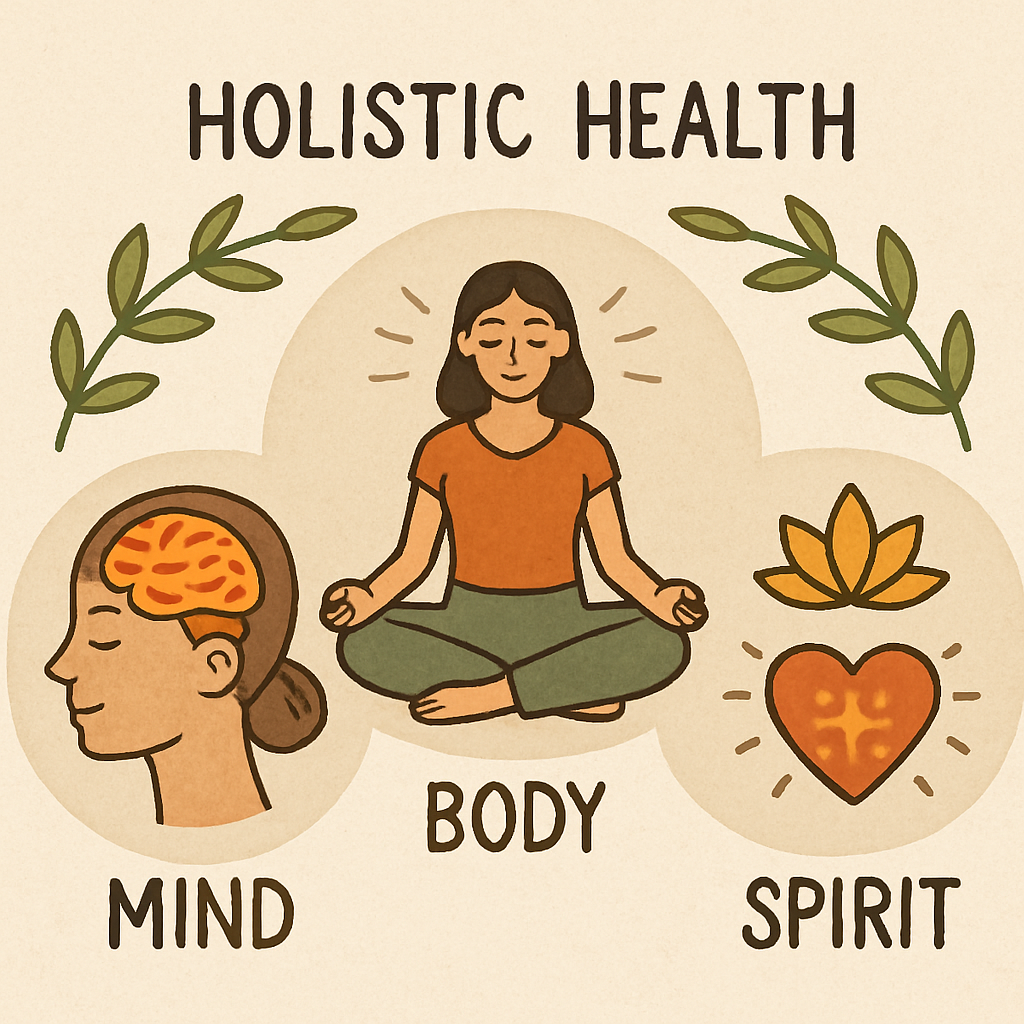
Health is a holistic concept. It’s more than being free from disease. True wellness includes mind, body, and spirit in harmony.
A comprehensive approach considers all life aspects. It requires attention to mental, physical, and social factors. These elements are interconnected, affecting overall health.
Key Elements of Holistic Health:
- Physical Health: Regular exercise, a balanced diet, and proper rest.
- Mental Health: Stress management, emotional resilience, and mental clarity.
- Social Health: Strong relationships, community involvement, and supportive networks.
Social connections play a vital role. Being part of a community enhances emotional health. Interaction with others offers support and a sense of belonging.
Mindfulness practices like meditation benefit mental health. They help to reduce stress and improve focus. A calm mind is essential for overall balance.
Environmental factors also matter. Clean air, water, and safe living conditions boost health. Addressing these elements ensures a healthier lifestyle.
Embracing a holistic approach empowers individuals. It fosters a deeper understanding of health dynamics. Making conscious, informed decisions leads to better health outcomes.
Nutrition and Balanced Diet: Building a Strong Foundation
Nutrition is the cornerstone of good health. Eating a balanced diet provides essential nutrients. These nutrients fuel the body and maintain vital functions.
Fruits and vegetables should form the bulk of your diet. They are rich in vitamins, minerals, and antioxidants. These components are crucial for fighting disease and keeping energy levels high.
Whole grains and lean proteins are vital. Whole grains like brown rice and oats provide fiber and energy. Lean proteins, including fish and poultry, support muscle repair and growth.
 by Dragon (https://unsplash.com/@djuka11)
Tips for a Balanced Diet:
- Incorporate Variety: Include different food groups in each meal.
- Watch Portion Sizes: Avoid overeating by checking serving sizes.
Staying hydrated is often overlooked. Water is essential for many bodily functions. It helps with digestion, circulation, and temperature regulation.
Diverse diets are beneficial. Including foods from different cultures enriches the diet. Mochi, a traditional Japanese rice cake, offers a delicious way to diversify.
Processed foods and sugars should be limited. High consumption can lead to chronic health issues. Opt for natural and whole foods whenever possible.
Understanding food labels can guide choices. Look for key nutrients and avoid high sodium and sugar contents. This helps in making informed dietary decisions.
Benefits of Eating Mindfully:
- Improved Digestion: Eating slowly aids digestion and nutrient absorption.
- Increased Satisfaction: Being aware of hunger cues prevents overeating.
Nutritional education empowers decisions. Knowing the body’s nutritional needs helps tailor a suitable diet. Continual learning and adaptation to dietary needs are essential.
Building a strong nutritional foundation supports long-term health. A balanced diet, coupled with mindful eating habits, paves the path to wellness. Choosing foods wisely fosters physical and mental health, preparing the body for life’s challenges.
The Role of Physical Activity in Health
Physical activity is a key element in maintaining good health. Regular exercise improves both physical and mental well-being. It strengthens the heart, muscles, and bones, increasing overall longevity.
Exercise boosts mood through the release of endorphins. These “feel-good” chemicals enhance mental clarity and reduce stress levels. Engaging in regular activities like walking can greatly impact mental health.
 by Camilo Contreras (https://unsplash.com/@milo_contreras)
Incorporating a variety of exercises is beneficial. This could include cardio, strength training, flexibility, and balance exercises. These varied activities target different areas of health.
Benefits of Regular Exercise:
- Enhances Heart Health: Regular cardio workouts strengthen the cardiovascular system.
- Supports Weight Management: Consistent activity helps maintain a healthy weight.
Physical activity contributes to better sleep. Exercise helps regulate sleep patterns and ensures restful nights. Good sleep, in turn, supports daily performance and focus.
Community activities can make exercise more enjoyable. Participating in local sports teams or fitness classes adds a social element. These interactions foster a sense of community and shared goals.
For those with busy schedules, small changes can make a difference. Taking the stairs instead of the elevator adds movement to the day. Short walks during breaks contribute to an active lifestyle.
Tips for Staying Active:
- Set Realistic Goals: Setting achievable goals encourages progress and motivation.
- Find Activities You Enjoy: Engaging in enjoyable exercises increases adherence to an active routine.
Engaging in regular physical activities is crucial for a robust health regimen. Not only does it improve physical health, but it also enhances mental resilience. By incorporating enjoyable exercise routines, one can achieve lasting benefits.
Mental Health Matters: Strategies for Well-Being
Mental health holds equal importance to physical health. It encompasses emotional, psychological, and social well-being. Positive mental health allows individuals to cope with stress and relate to others effectively.
Maintaining mental health requires intentional strategies. Self-care is one crucial approach to preserving mental well-being. Regular practices like meditation and journaling can foster a peaceful mind.
 by The Cleveland Museum of Art (https://unsplash.com/@clevelandart)
Social interactions play a significant role in mental health. Strong connections with friends and family provide support and belonging. These relationships can cushion against life’s challenges.
Stress management techniques reduce anxiety and promote calmness. Techniques like deep breathing and yoga can be effective. Finding hobbies and leisure activities also adds relaxation to daily routines.
Effective Strategies for Mental Well-Being:
- Mindfulness Practices: Help in staying present and focused.
- Regular Socializing: Strengthens bonds and reduces feelings of isolation.
Prioritizing mental health involves setting realistic goals. Breaking down large tasks into smaller ones can alleviate overwhelming feelings. Celebrating small achievements boosts motivation and confidence.
Access to mental health resources is critical. Community support systems and therapy can offer guidance. Seeking professional help when needed is a positive step towards wellness.
Balancing mental well-being with physical health creates a harmonious life. By adopting effective strategies and staying connected, individuals can nurture their mental resilience. Taking small, consistent steps fosters long-term mental health.
Preventive Care and Regular Check-Ups
Preventive care is the backbone of maintaining good health. It focuses on preventing health issues before they occur. Regular check-ups and screenings are fundamental components of preventive care.
Routine visits to healthcare providers can detect potential problems early. Early detection often leads to more effective and less invasive treatments. These visits are an opportunity to discuss any health concerns you may have.
Key Aspects of Preventive Care:
- Regular Screenings: Such as blood pressure and cholesterol checks.
- Vaccinations: Protect against various diseases.
- Health Consultations: Discuss lifestyle and nutrition with your doctor.
A proactive health approach can significantly reduce the risk of chronic diseases. Vaccinations also play a critical role in preventive health. They provide immunity and protect against outbreaks of diseases.
Preventive care extends beyond the doctor’s office. It includes staying informed about your health. Understanding personal risk factors and making informed lifestyle changes are essential steps. Regular health assessments empower you to take control of your well-being.
Community Health Choice: The Power of Collective Wellness
Community health choice emphasizes the impact of collective efforts on individual well-being. It’s not just about personal habits but also the environment we share.
Access to healthcare resources is vital. Community health centers provide affordable care to those in need. These centers are often the first line of defense in promoting wellness.
Communities can unite to tackle local health challenges. This collaboration leads to innovative solutions and shared resources. It’s a powerful way to address specific health needs collectively.
Benefits of Community Health Choices:
- Improved Access: Local health centers provide essential services.
- Support Systems: Community programs create networks of care.
- Focused Initiatives: Target local health concerns effectively.
Community gardens and farmers’ markets enhance access to fresh produce. These initiatives promote healthier eating habits. They also bring people together, fostering social connections.
Engaging in community health activities strengthens social ties. It creates a sense of belonging and support among members. Participation leads to increased awareness and better health outcomes.
Communities play a crucial role in shaping public health policies. Empowered communities advocate for necessary changes, influencing decision-makers and improving wellness for all.
 by Outward Bound Costa Rica (https://unsplash.com/@outwardboundcr)
Mochi Health: Incorporating Cultural Foods for Variety
Mochi is a traditional Japanese rice cake. It’s known for its chewy texture and versatility. When consumed in moderation, mochi can be a healthy addition to your diet.
Cultural foods like mochi offer nutritional benefits. They also bring diversity to your meals. By incorporating these foods, you ensure a balanced intake of nutrients.
Mochi is made from glutinous rice. It’s often filled with sweet or savory ingredients. This versatility allows you to enjoy it in numerous ways.
Nutritional Benefits of Mochi:
- Low in Fat: Ideal for weight-conscious individuals.
- Rich in Carbohydrates: Provides energy for daily activities.
- Source of Protein: Helps in muscle building and repair.
Including mochi in your diet supports cultural appreciation. Exploring new foods fosters openness and a global perspective. It’s an enjoyable way to expand your culinary horizons.
 by Christian Laborde (https://unsplash.com/@bonbonjapon)
To maintain balance, pair mochi with fruits or vegetables. This combination makes a nutritious snack. Enjoying cultural foods responsibly enhances your overall health.
Healthy Lifestyle Habits for Everyday Life
Incorporating healthy habits into daily routines can transform overall well-being. Small changes can have a substantial impact. Consistency is crucial for long-term health.
Start with simple tweaks. Gradually replace processed foods with whole foods. This ensures your body receives essential nutrients.
Physical activity is equally important. Engage in activities you enjoy. This increases the likelihood of maintaining a regular exercise routine.
Simple Daily Health Tips:
- Plan Meals Ahead: Encourages healthier choices.
- Stay Hydrated: Helps maintain body functions.
Practicing mindfulness helps manage stress. Techniques like meditation and deep breathing improve mental clarity. They also reduce anxiety and stress levels.
Social connections are vital for emotional health. Spend quality time with family and friends. Participate in community activities to enhance social ties.
Key Lifestyle Habits:
- Adequate Sleep: Necessary for recovery and energy.
- Limit Screen Time: Supports better sleep and eye health.
Regular check-ins with yourself are essential. Assess your physical and mental health frequently. This self-awareness guides your health choices.
 by Vitaly Gariev (https://unsplash.com/@silverkblack)
Remember, health is a continuous journey. Cultivating healthy lifestyle habits forms the foundation for lasting wellness.
Overcoming Barriers and Staying Motivated
Staying motivated in your health journey can be challenging. Setbacks are inevitable but not insurmountable. Understanding these hurdles is the first step to overcoming them.
Identifying personal barriers helps in strategizing effectively. Whether it’s lack of time or resources, each barrier has potential solutions. Adjusting your mindset can significantly impact your progress.
Motivation often wanes due to unrealistic expectations. Setting achievable, incremental goals maintains enthusiasm and encourages steady progress. Celebrate small victories to boost your morale.
Motivation Boosting Tips:
- Visualize Success: Keep a vision board of your goals.
- Find a Support Network: Share goals with friends or family.
Remember, maintaining good health is a journey, not a sprint. Reflect on your progress, and adjust your strategies as needed. Consistent effort will lead to lasting health benefits.
Conclusion: Your Path to Lifelong Health
Achieving lifelong health requires dedication and willingness to adapt. Your journey will be unique, influenced by personal circumstances and choices. Embrace this journey as an opportunity for growth.
Prioritizing well-being means making informed decisions daily. It involves balancing various aspects of health, from physical fitness to mental clarity. Developing a holistic approach is key to sustained vitality.
Remember, community ties and cultural practices, like mochi, can enhance your health plan. Engaging with others enriches your experience and offers support through challenges. It emphasizes the power of shared well-being.
Set realistic goals, stay informed, and be patient with yourself. With each step, you’ll build resilience and wisdom, enriching your health journey. Remember, your health is a lifelong commitment worthy of your best efforts.