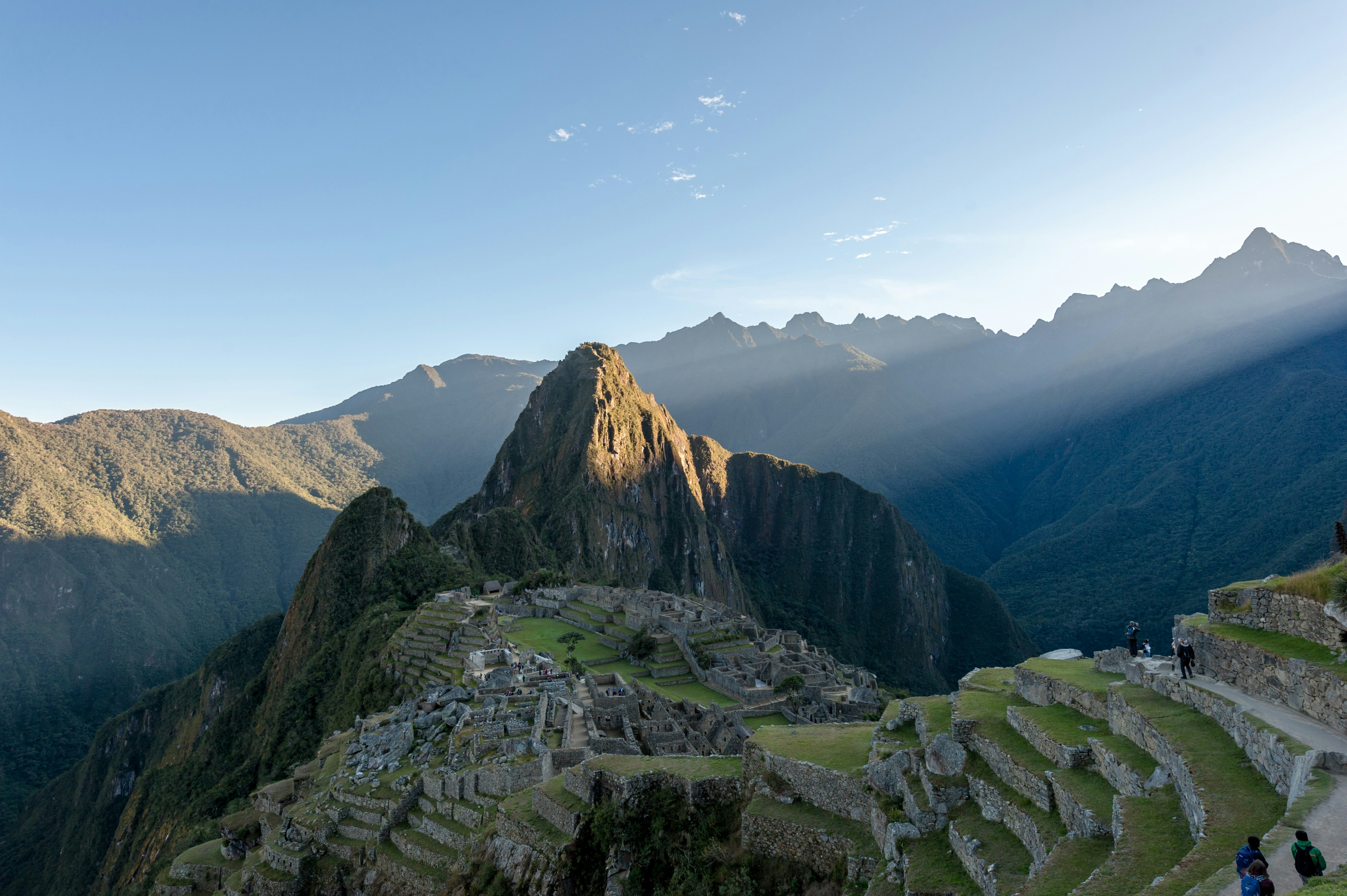
The History of Machu Picchu
Machu Picchu, often referred to as the “Lost City of the Incas,” is a remarkable archaeological site located in the Andes Mountains of Peru. Built during the 15th century under the reign of the Inca Emperor Pachacuti, this enchanting citadel serves as a testament to the advanced engineering and architectural practices of the Inca civilization. The primary purpose of Machu Picchu was likely to function as a royal estate for the emperor and possibly a religious site. Its strategic location and intricate design illustrate the Incas’ sophisticated understanding of their environment.
The construction of Machu Picchu employed various materials, including limestone, granite, and other local stones, which were meticulously shaped to fit snugly together without the use of mortar. This technique, known as ashlar masonry, not only enhanced the structural integrity of the buildings but also allowed them to withstand the region’s frequent earthquakes. The terraces surrounding the site, utilized for agriculture, exemplify the ingenuity of the Incas in maximizing their agricultural potential in mountainous terrain.
The historical significance of Machu Picchu transcends its architectural brilliance. It provides insight into the social, political, and religious practices of the Inca civilization. The site’s relatively remote location protected it from the Spanish conquistadors, allowing it to remain hidden for centuries. The global interest in Machu Picchu surged following its rediscovery by American historian Hiram Bingham in 1911, who brought it to the attention of the world. Since then, Machu Picchu has become an enduring symbol of Inca heritage, drawing visitors from around the globe eager to explore its mysteries and appreciate its profound historical legacy.
Getting to Machu Picchu: Travel Tips and Transportation Options
Reaching Machu Picchu can be an exhilarating experience, with various travel options that cater to different preferences and fitness levels. The most popular route is to take a train from the city of Cusco or the nearby town of Ollantaytambo. Train services are operated by companies such as PeruRail or Inca Rail, with journeys lasting around 3.5 to 4 hours, depending on your departure point. Reservations for trains should be made in advance, particularly during peak tourist seasons, to ensure availability and comfort.
For adventure enthusiasts, hiking the Inca Trail is an iconic way to reach Machu Picchu. This renowned trek typically lasts four days and requires a permit that must be secured several months in advance due to its limited capacity. It offers stunning views and takes travelers through incredible landscapes while exploring significant archaeological sites along the way. Alternative trekking options, such as the Salkantay and Lares trails, also provide unique pathways to reach Machu Picchu while showcasing the natural beauty of the Andes. These treks can be tailored for various levels of experience, and they often come with fewer restrictions than the classic Inca Trail.
The best times to visit Machu Picchu are during the dry season, which runs from May to October, offering ideal weather for trekking and sightseeing. However, visiting during the shoulder seasons, April and November, can provide a less crowded experience while still enjoying favorable conditions. It is advisable to plan your trip well in advance, accounting for necessary permits, especially for trekking. Be sure to book your transportation and accommodations early to ensure a seamless journey to the captivating site of Machu Picchu.
Key Attractions and Trails in Machu Picchu
Machu Picchu, an iconic symbol of Incan civilization, offers a plethora of wonders for visitors to explore. Among the key attractions, the Intihuatana stone stands out as a pivotal ceremonial site. Often referred to as the “Hitching Post of the Sun,” this carved rock is believed to have been an astronomical observatory, providing insights into the solar calendar used by the Incas. A visit to this sacred stone not only allows one to appreciate its historical significance but also offers scenic views of the vast landscapes surrounding the site.
Another essential site within Machu Picchu is the Temple of the Sun. Characterized by its unique circular design and intricate stonework, this temple holds great importance in Inca culture, likely serving astronomical and religious functions. Visitors often find the architecture awe-inspiring, as it showcases the advanced engineering skills of the Incas. Standing within its walls offers a glimpse into the spirituality and rituals of this ancient civilization.
For those seeking a different perspective of Machu Picchu, the Inca Bridge provides a thrilling experience. This impressive structure, which was originally built as a defensive mechanism, allows trekkers to navigate through narrow trails while immersing themselves in the breathtaking views of the surrounding mountains and valleys.
Moreover, adventure enthusiasts will appreciate the hiking trails that accompany these historical landmarks. The Huayna Picchu trail is known for its challenging ascent, rewarding hikers with panoramic vistas of the ruins below. Conversely, the Machu Picchu Mountain hike offers a more moderate experience with equally stunning scenery. Both trails present excellent opportunities for photography, allowing visitors to capture the majesty of Machu Picchu from various vantage points.
With numerous attractions and trails to explore, each providing a deeper understanding of the rich history and culture of the Incas, Machu Picchu remains a destination that captivates the hearts of all who visit.
Practical Tips for Visiting Machu Picchu: What You Need to Know
Visiting Machu Picchu is a remarkable journey that requires some preparation to ensure a fulfilling experience. To start, travelers should be aware of the entry requirements. Tickets to Machu Picchu should be purchased in advance, as daily visitor numbers are restricted to preserve the site. Remember to carry a valid ID that matches the information on your ticket, as it may be checked upon entry.
When preparing for your visit, packing the right supplies is crucial. Comfortable hiking shoes, a non-disposable water bottle, sunscreen, and a hat for sun protection are highly recommended. Additionally, it’s wise to bring a light rain jacket, as weather conditions can be unpredictable. Keep in mind that the altitude of Machu Picchu can lead to altitude sickness. To mitigate this risk, consider allowing yourself a few days to acclimatize in Cusco before your trip.
Respecting local culture is also an integral aspect of the Machu Picchu experience. Engage with local communities, try traditional foods, and always ask for permission before taking photographs of individuals. Sustainable tourism practices should be at the forefront of every visitor’s mind. It’s essential to adhere to marked paths, avoid littering, and support local businesses to help preserve the environment.
Regarding itineraries, a half-day visit is popular, while a full-day itinerary allows for a more comprehensive exploration. Guided tours can enhance your understanding of Machu Picchu‘s history and significance, giving you insight into the architecture and cultural relevance. Be sure to factor in time for photography and relaxation to truly appreciate the breathtaking views and the unique atmosphere of this iconic site.