
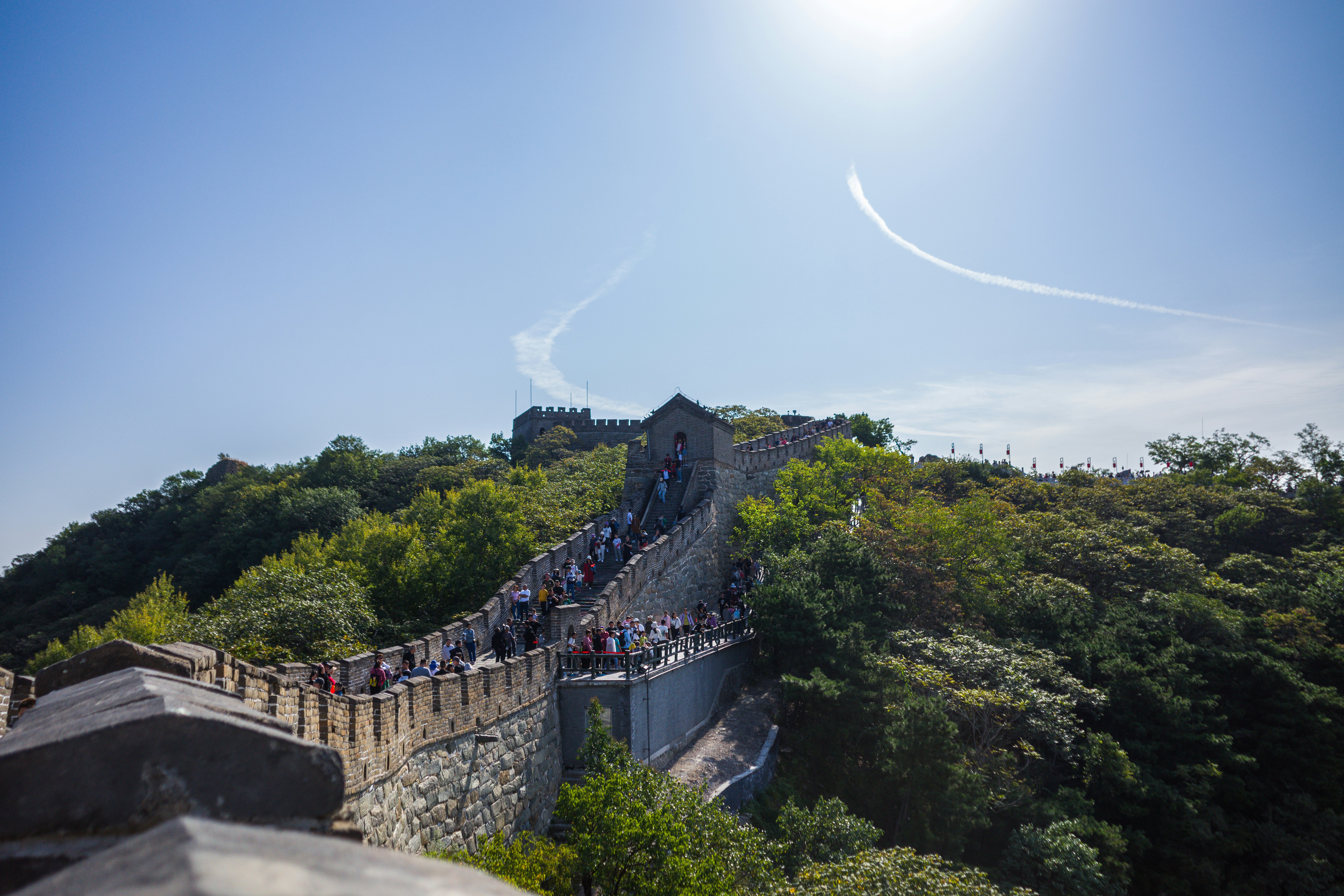
Historical Significance of the Great Wall
The Great Wall of China is a monumental feat of engineering and a crucial element of Chinese history. Its origins can be traced back as early as the 7th century BCE, with the first walls constructed by various states in China during the Warring States period. The initial purpose of these early walls was primarily defensive, aimed at protecting territories from invasions by nomadic tribes and other external threats.
Notably, it was during the Qin Dynasty (221-206 BCE) that the disparate segments of earlier walls were consolidated into a single formidable barrier. The first Emperor of China, Qin Shi Huang, recognized the need for a robust defense system and initiated the construction. This process involved significant labor, with thousands of soldiers, peasants, and criminals participating in the project. The wall thus became a symbol of the empire’s strength and unity.
Subsequent dynasties, such as the Han (206 BCE – 220 CE) and Ming (1368–1644 CE), further expanded and fortified the Great Wall, adapting its design and materials based on available resources and evolving military strategies. The Ming Dynasty, in particular, is credited with constructing the most recognizable sections of the wall that we see today, utilizing bricks and stone for enhanced durability. During this time, the Great Wall not only served as a defense against invasions but also as a means of trade control along the Silk Road, thereby influencing commerce and cultural exchange.
The cultural significance of the Great Wall of China transcends its military objectives; it embodies the resilience and determination of the Chinese people throughout history. It acts as a reminder of the political endeavors and the collaboration across dynasties, reflecting China’s rich cultural heritage and historical evolution. This architectural marvel, standing for centuries, showcases the enduring spirit of a civilization that has faced numerous challenges over time.
Architectural Features and Construction Techniques
The Great Wall of China is a monumental feat of architecture that exhibits a wide array of features and construction techniques developed over centuries. Primarily, the wall was constructed using local materials, including tamped earth, wood, bricks, and stone, depending on the geographic location and availability of resources. These varying materials not only contributed to the wall’s durability but also dictated its architectural style across different segments.
An essential component of the Great Wall is its fortification structures, articulated through the inclusion of watchtowers, barracks, and gatehouses. Watchtowers, strategically placed along the wall, served both as lookouts and communication posts, allowing sentinels to monitor movements in the surrounding landscape and relay signals regarding potential threats. The design of these structures varied from one dynasty to another, reflecting contemporary architectural trends and defensive needs.
Throughout its history, the construction of the Great Wall faced significant challenges, particularly concerning the diverse terrain it traversed—from rugged mountains to expansive grasslands. Builders employed various construction techniques to adapt to these geographical challenges, such as using winding routes to navigate steep hillsides. Weather conditions also posed difficulties; the harsh winters and wet seasons would impede progress, resulting in innovative methods to ensure structural integrity and stability.
As centuries passed, technological advancements, including the introduction of new building materials and techniques, influenced the design of the wall. From the Ming Dynasty’s use of fired bricks to enhance strength and uniformity to the incorporation of modern engineering principles, these changes demonstrated adaptability and ingenuity. The evolution of the Great Wall of China reflects not only a response to military needs but also the cultural and technological shifts over time, making it a rich subject for historical and architectural study.
Tourism and Conservation Efforts
The Great Wall of China stands as one of the most iconic and enduring symbols of Chinese history and culture. As a UNESCO World Heritage Site, it attracts millions of visitors each year who seek to experience its splendor and learn about its rich past. Among the most popular sections of the wall that cater to tourists are Badaling and Mutianyu. Badaling is renowned for its accessibility and has been extensively renovated to provide amenities such as cable cars and well-maintained pathways. This convenience draws a large number of visitors, particularly families and those less inclined to trek long distances. In contrast, Mutianyu offers a slightly quieter experience, presenting a balance between accessibility and a more authentic glimpse of the Great Wall’s stunning, rugged landscapes.
Visitors to these sections can engage in a variety of experiences, ranging from guided tours that provide historical context to leisurely hikes that allow appreciation of the wall’s architectural brilliance. Activities such as photography, local culinary experiences, and cultural performances also enhance the tourism experience. However, the influx of tourists presents significant conservation challenges, as the volume of foot traffic can result in wear and tear on the ancient structures. Furthermore, environmental factors such as erosion, vegetation growth, and climate change pose additional threats.
To combat these challenges, various conservation efforts are underway to ensure the longevity of the Great Wall. Initiatives range from regular maintenance and restoration projects to community awareness programs that emphasize the importance of preserving this monumental site. Collaboration between governmental bodies, non-profit organizations, and local communities has become essential in addressing the multifaceted issues of conservation. By embracing sustainable tourism practices and promoting responsible engagement with the Great Wall, it is possible to protect this invaluable heritage site for future generations.
Cultural Impact and Legends Surrounding the Great Wall
The Great Wall of China is not just an architectural marvel but a cultural symbol that carries deep significance in Chinese folklore, art, and literature. It has inspired countless legends and stories, many of which contribute to the rich narrative woven around this historical structure. One of the most poignant tales is that of Meng Jiangnu, a woman whose husband was conscripted to build the wall. Upon learning of his death, she famously wept so deeply that a section of the wall crumbled, demonstrating the pain and sacrifice associated with its construction. This story exemplifies how the Great Wall serves as a metaphor for love, loss, and perseverance.
In addition to personal stories, the Great Wall is surrounded by tales of soldiers and ghosts. Many believe the spirits of those who perished during its construction haunt the wall, further adding to the mystique surrounding this formidable structure. Chinese folklore often depicts these spirits as protectors, emphasizing the wall’s role as a guardian against invaders. Such legends not only reflect the historical struggles faced by those who built the wall but also shape the cultural heritage of the Chinese people.
The impact of the Great Wall extends into modern media, where it is portrayed as a symbol of strength and resilience. Films, literature, and art often reference the wall to communicate themes of unity and determination. Through various representations, the Great Wall stands as an emblem of national identity, reminding both Chinese people and the global audience of their shared history and cultural significance. Its portrayal in contemporary narratives continues to foster a sense of pride among the Chinese populace, celebrating their enduring spirit and the monumental endeavor of building the Great Wall of China.