
Understanding Sinless Steel: Definition and Importance
Sinless steel is a unique form of steel that has garnered attention in various industrial sectors due to its superior properties compared to traditional steel. This innovative material is defined by its minimal or non-existent levels of impurities during the manufacturing process, which significantly enhances its overall quality and performance. Traditional steel often contains higher levels of carbon and other elements that can compromise its strength and longevity. In contrast, sinless steel is produced through advanced techniques that optimize its composition and structure, making it more durable and reliable.
The importance of sinless steel spans across multiple industries, including construction, automotive, and aerospace. Its unmatched resistance to corrosion is one of the most crucial advantages, as it ensures longevity even in harsh environments. For example, components made from sinless steel are increasingly utilized in marine applications, where exposure to salt and moisture can quickly degrade standard steel, leading to costly repairs and replacements. Additionally, sinless steel exhibits improved performance in high-stress applications, such as in structural frameworks and high-performance machinery, where mechanical integrity is paramount.
Furthermore, the production of sinless steel aligns with sustainable manufacturing practices. Manufacturers are continuously looking to reduce their environmental impact, and the process of creating sinless steel often involves less waste and energy consumption compared to traditional methods. This conscious approach not only benefits the environment but also supports industries in adhering to stricter regulations regarding material quality and sustainability.
In summary, the definition and significance of sinless steel in manufacturing underscore its essential role in modern industry. Its unique properties, such as enhanced durability, reduced corrosion, and exceptional performance under stress, make it a material of choice for diverse applications, driving innovation and efficiency in steel production.
The Manufacturing Process of Sinless Steel

The production of sinless steel, often referred to as high-purity steel, is a meticulous process that commences with the careful selection of raw materials. It is vital to utilize high-quality inputs to ensure that impurities are minimized from the very beginning. The primary materials typically include iron and alloying elements such as nickel, chromium, and molybdenum, which must be sourced from reputable suppliers. The quality of these materials significantly impacts the final properties of the sinless steel, hence their purity is of paramount importance in the manufacturing process.
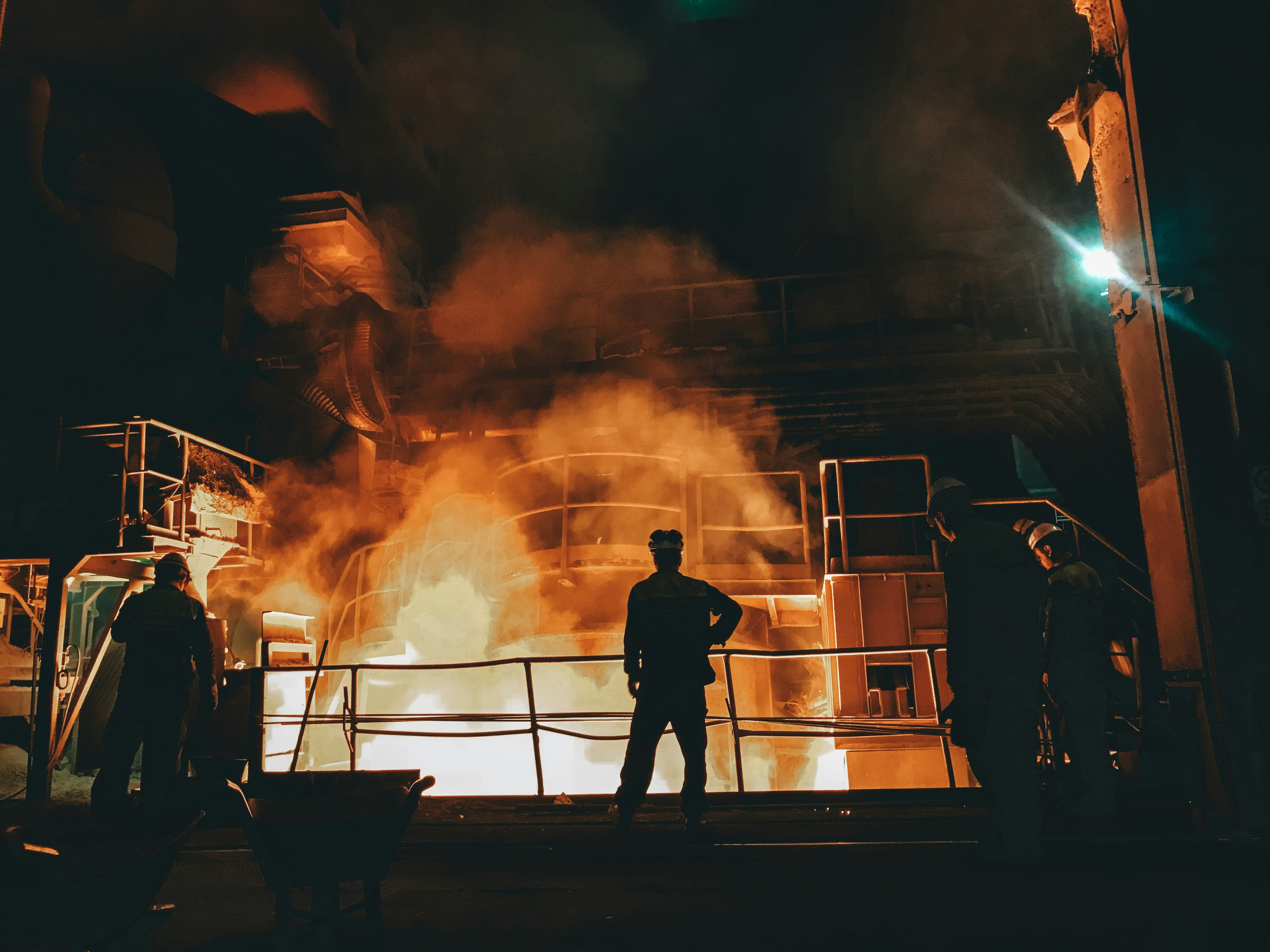
Once the raw materials are selected, the manufacturing process proceeds with melting. One of the most advanced techniques used is vacuum induction melting (VIM), which allows for exceptional control over the environmental conditions during the melting phase. This method helps prevent the absorption of gases, such as nitrogen and oxygen, which could weaken the mechanical properties of the sinless steel. The molten steel is continuously monitored, ensuring that the appropriate chemical composition is achieved.
Following the melting phase, electroslag remelting (ESR) is often employed as a secondary refining step. ESR operates by melting the steel again in the presence of a protective slag, further enhancing purity. This approach removes inclusions and refines the microstructure, leading to a more homogeneous product. The combination of VIM and ESR techniques ensures that the steel produced exhibits superior quality and integrity, meeting the high standards required in demanding industrial applications.
Technological advancements play a crucial role in the sinless steel manufacturing process. Automation and control systems are implemented throughout production, allowing for real-time monitoring of crucial parameters. This integration of technology not only enhances productivity but also ensures consistency and quality across batches, thus reinforcing the positioning of sinless steel—particularly within the context of the ss, mangla, industrial sector—as a reliable choice for various applications.
Quality Control Measures in Sinless Steel Production

Ensuring the integrity and reliability of sinless steel in industrial applications is paramount, necessitating the implementation of rigorous quality control measures throughout the production process. The production of this advanced material involves several testing methods designed to assess critical properties that determine its performance and suitability for various applications. Key among these properties are tensile strength, corrosion resistance, and the assessment of microstructural integrity through microscopic examination for impurities.
Tensile strength testing is vital in evaluating the metal’s resistance to deformation and failure when subjected to stress. This is typically conducted using a universal testing machine, which applies force until the material yields or fractures. The results provide essential data that can inform adjustments in production processes to achieve desired strength specifications in sinless steel.
Corrosion resistance is another critical property, particularly for applications in challenging environments. Standard practices often involve exposure tests to various corrosive elements or solutions, allowing manufacturers to gauge how well the sinless steel can withstand such conditions over time. These assessments are crucial for industries that rely on materials that must endure harsh environmental factors.
Furthermore, microscopic examinations play a significant role in identifying potential impurities in the steel. Techniques such as scanning electron microscopy can reveal the microstructural features of the sinless steel, allowing for an analysis of grain size, phase distribution, and the presence of undesirable inclusions. These insights are instrumental in ensuring the material meets the rigorous specifications required for its intended application.
Adhering to industry standards and certifications further validates the quality of sinless steel. Organizations such as ASTM International and ISO provide guidelines that establish benchmarks for production quality, ensuring that steel meets necessary criteria for use in critical applications. By following these standards, manufacturers can assure clients of the reliability and performance of sinless steel.
Future Trends and Innovations in Sinless Steel Manufacturing

The landscape of sinless steel manufacturing is evolving rapidly, with several innovative trends and techniques emerging that promise to reshape the industry. One of the most significant advancements is the continued development of novel alloys that enhance the mechanical and corrosion-resistant properties of sinless steel. These new formulations not only improve the performance of the material but also expand its applicability across various sectors, including construction, automotive, and aerospace industries.
In addition to advancements in materials science, there is a growing emphasis on eco-friendly production methods. Manufacturers are increasingly adopting practices that prioritize sustainability—reducing energy consumption during production and minimizing waste. Techniques such as electric arc furnace (EAF) production are becoming more commonplace, allowing for the recycling of scrap steel and drastically lowering the carbon footprint associated with sinless steel production. This shift towards greener methodologies reflects a broader industry trend focused on environmental responsibility.
The impact of sustainability in the sector is becoming evident, as stakeholders recognize the importance of integrating recycling processes into the manufacturing cycle. With the push for sustainable practices, companies are investing in technology that enhances operational efficiency while ensuring that production methods are aligned with environmental conservation goals. The investment in state-of-the-art equipment enables manufacturers to deliver high-quality sinless steel products while employing processes that are less harmful to the planet.
Furthermore, the advancements in digital technologies, such as artificial intelligence and machine learning, are allowing for more optimized production lines and improved quality control in sinless steel manufacturing. These innovations facilitate real-time monitoring of the production process, ensuring that manufacturers can quickly respond to any deviations from desired specifications. With these developments, the industry is poised to not only meet the growing demand for sinless steel but to do so in a manner that is responsible and sustainable.