
Introduction to Architectural Heritage
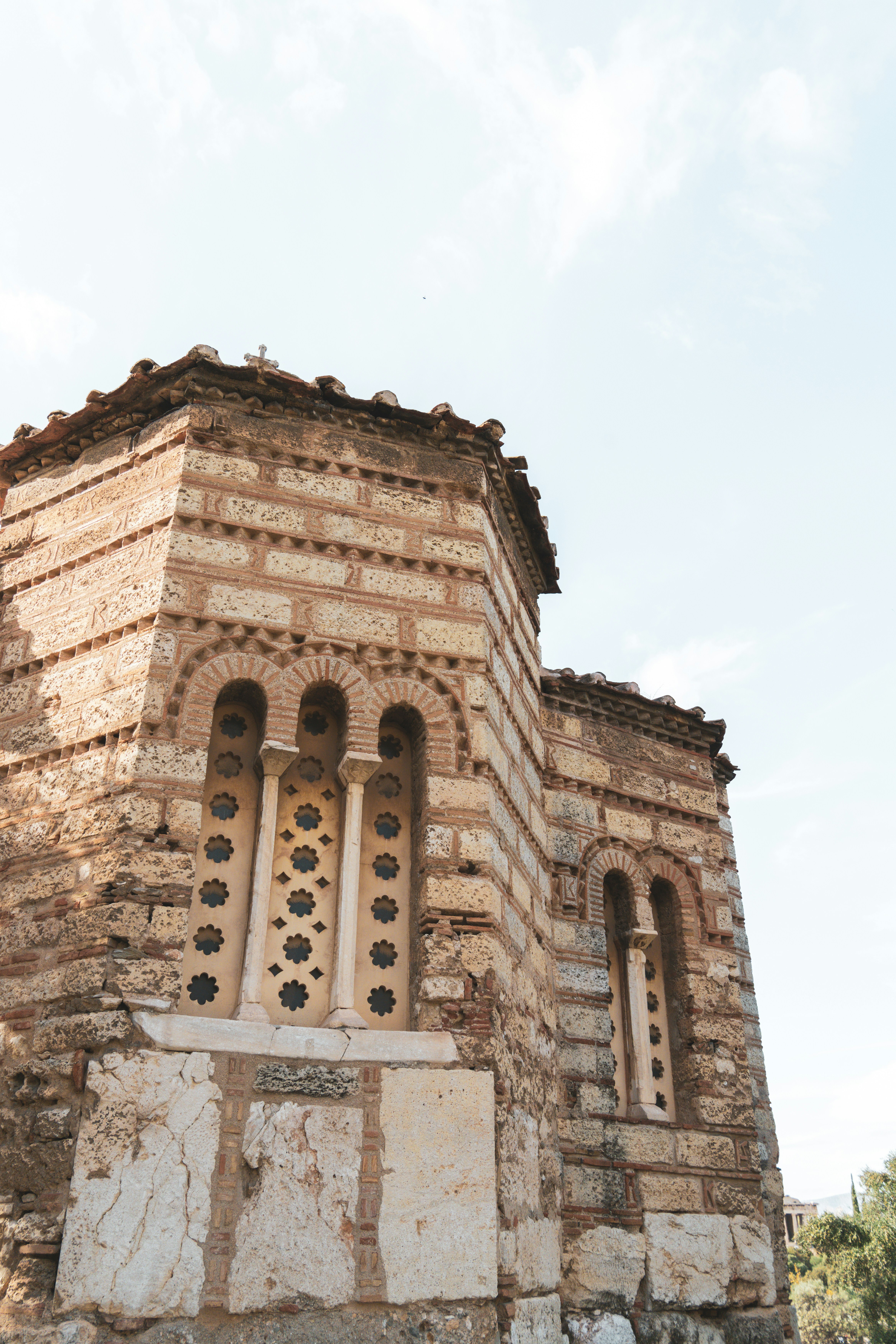
Old buildings are a testament to human creativity, craftsmanship, and resilience. They serve as monumental indicators of past civilizations, showcasing a rich tapestry of architectural styles that have evolved over centuries. As we delve into the significance of these structures, it becomes evident that old buildings are not merely relics of the past; they are living narratives that connect us to historical traditions and cultural identities.
Architectural heritage embodies the essence of former societies, encapsulating the advancements in construction techniques, materials, and aesthetics utilized in different regions throughout history. Each old building has a story to tell, reflecting the values, dreams, and challenges of the people who constructed and inhabited them. This connection to our predecessors provides vital insights into the socio-economic factors of their time, as well as their artistic expression and daily life.
The importance of preserving old buildings cannot be overstated. These structures serve not only as reminders of our collective past but also as sources of inspiration for future generations of architects and builders. The careful study of historic architecture aids in understanding how different cultural influences have shaped urban landscapes. Moreover, such preservation efforts often contribute to contemporary education, enlightening us about advancements in design and construction that can still inform modern practices.
Globally, architectural styles are diverse, oftentimes influenced by geographical features, local materials, and environmental conditions. From Gothic cathedrals in Europe to ancient temples in Asia and adobe houses in the Americas, the variety of form and function represents countless narratives woven into the fabric of our shared heritage. As we explore the world’s oldest buildings, we acknowledge their role in enriching our knowledge and appreciation of architectural history.
Notable Old Buildings Across the Globe
The world is home to numerous old buildings that serve as a testament to human creativity and resilience across centuries. Among these, the Great Wall of China stands out as an enduring symbol of strength and determination. Dating back to the 7th century BC, this ancient fortification stretches over 13,000 miles, showcasing a range of architectural styles influenced by various dynasties. Its construction not only reflects advanced engineering techniques of the time but also the cultural importance of protection against invasions.
Another illustrious example is the Colosseum in Rome, a remarkable amphitheater constructed in AD 70-80. This iconic structure exemplifies the grandeur of Roman architecture with its innovative use of arches and concrete, enabling it to host thousands of spectators for gladiatorial contests and public spectacles. The Colosseum remains a symbol of the technological advancements of ancient Rome and the cultural practices of its time.
Machu Picchu, the breathtaking Incan citadel in Peru, is also among the most renowned old buildings. Discovered in the 20th century, it features agricultural terraces and sophisticated stone structures, which are perfect reflections of the Incas’ ingenuity in blending architecture with the natural environment. The significance of Machu Picchu lies in its spiritual and cultural heritage as a site of worship and community.
Lastly, the Pyramids of Giza in Egypt, built around 2580–2560 BC, are monumental structures that have captivated imaginations for millennia. These pyramids, particularly the Great Pyramid, exemplify the advanced mathematics and engineering skills of the ancient Egyptians, as they were constructed with incredible precision. Each pyramid is a symbol of the monumental burial practices and the strong religious beliefs associated with the afterlife in ancient Egyptian culture.
The Preservation and Restoration of Historical Buildings
Preserving and restoring old buildings presents numerous challenges, each necessitating a tailored approach to ensure the longevity and authenticity of these architectural treasures. Historical structures are often more than mere edifices; they represent cultural identity, historical significance, and community heritage. As such, the preservation process must balance maintaining historical integrity with the practical demands brought about by modernization.
One of the primary concerns in preserving old buildings is the preservation of authenticity. This involves using materials and techniques that are consistent with the original construction. For instance, when restoring a heritage site, it is crucial to employ traditional building materials which might not always align with contemporary building practices. Preservationists aim to retain the unique characteristics, fabric, and craftsmanship of old buildings to keep their historical essence intact.
The impact of modernization poses another significant challenge. As urban areas evolve, the pressure to adapt older structures for contemporary use can often lead to alterations that undermine their historical value. Heritage conservationists play an essential role in mitigating these impacts by advocating for adaptive reuse. They focus on finding innovative ways to incorporate modern amenities within the framework of old buildings without compromising their historical significance.
Various organizations and governments worldwide have taken initiatives to protect these landmarks through policy-making, funding, and raising public awareness. Successful restoration projects serve as examples of effective preservation practices. Notable cases, such as the meticulous restoration of the Colosseum in Rome and the Alhambra in Spain, showcase how restoration efforts, when approached with a commitment to historical accuracy, can revitalize old buildings for future generations.
In conclusion, the preservation and restoration of historical buildings require a careful balance of authenticity and modernization. With ongoing efforts and collaboration among stakeholders, we can ensure that these old buildings continue to tell their stories and retain their place in our shared heritage.
Visiting and Experiencing Old Buildings: Tips and Insights
Exploring old buildings can be an enriching experience filled with historical significance. When planning your visit, it is essential to conduct thorough research about the site. Understanding the history and architectural style of these ancient structures can elevate your appreciation for their grandeur. Check for any guided tours available, as they often provide valuable insights that are not readily accessible through standard literature.
Etiquette is an important aspect of visiting old buildings. Many of these sites hold religious or cultural significance, and showing respect is paramount. Maintain a respectful demeanor, speak in low tones, and refrain from using flash photography unless permitted. This not only enhances your experience but also respects the experience of other visitors and the integrity of the structure itself.
Be prepared for varying levels of accessibility. Some old buildings may have stairs and uneven surfaces, making navigation challenging for individuals with mobility issues. Verifying accessibility options beforehand can help ensure a smooth visit. Additionally, dressing appropriately for the environment is wise—both to respect the site and to enhance personal comfort during your exploration.
There is immense educational value in visiting these historic structures. Engage with local history by reading informational plaques, attending lectures, or participating in interactive exhibits that might be available. Many old buildings offer community events, workshops, or art shows that can provide context and further your understanding of the site’s significance.
In conclusion, a successful visit to old buildings involves thorough preparation, respecting local customs, and immersing oneself in the rich stories and educational opportunities these architectural wonders present. This engagement not only fosters a deeper connection to our shared history but also celebrates the preservation of cultural heritage.