
Tips for Accurate Blood Pressure Readings
Monitoring blood pressure at home is crucial for managing health. It helps track changes and detect potential issues early.
Accurate readings are essential for effective monitoring. They provide reliable data for healthcare decisions.
Using the right tools and techniques ensures precision. This guide offers practical tips for accurate blood pressure readings.
From choosing the best blood pressure monitors to understanding results, we cover it all.
Empower yourself with knowledge and take control of your health today.
Why Accurate Blood Pressure Readings Matter
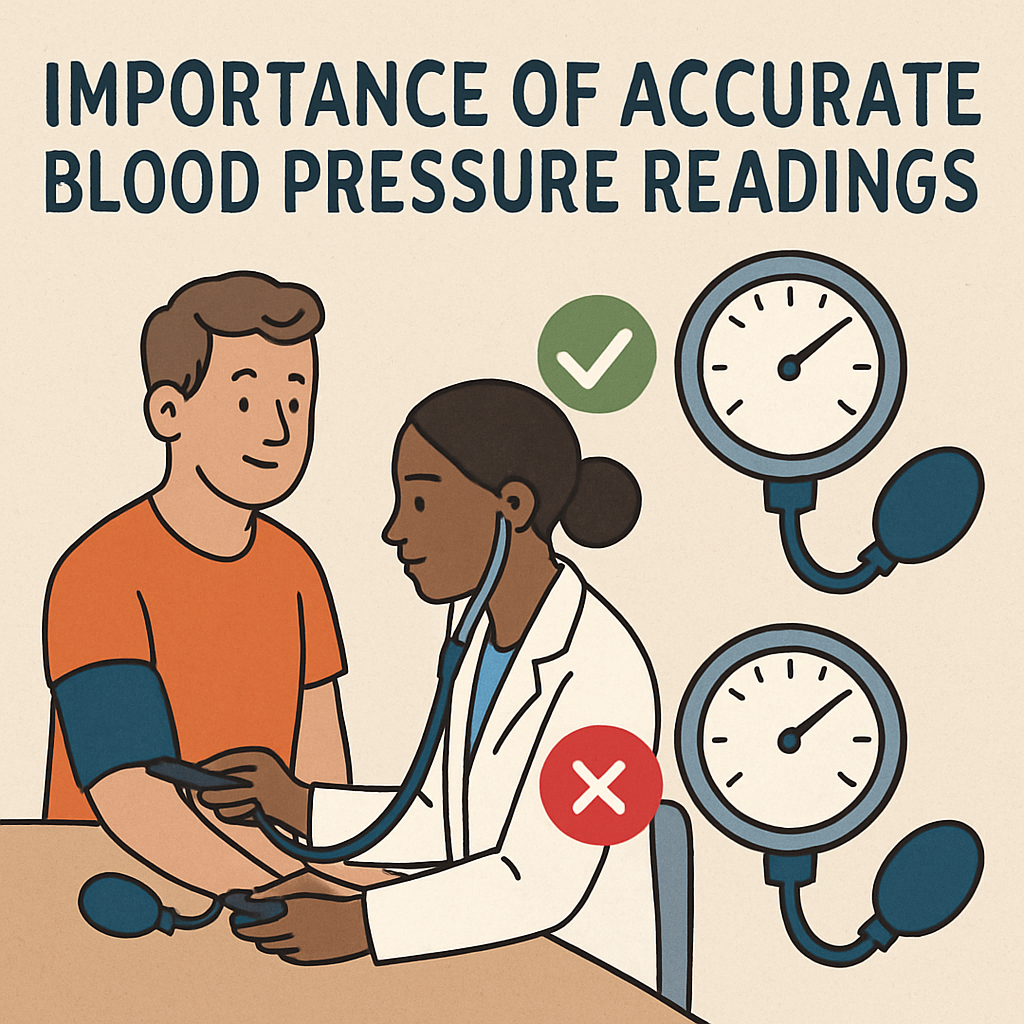
Accurate blood pressure readings are vital for your health. They guide healthcare decisions and treatment plans. Inaccurate readings can lead to incorrect diagnoses or ineffective treatments. Consistent monitoring helps track how well your efforts to manage blood pressure are working.
High blood pressure, also known as hypertension, has severe consequences. It increases the risk of heart disease and stroke. Accurate readings help detect hypertension early. Timely lifestyle changes or medications can significantly lower these risks.
Maintaining accuracy is equally important for those already diagnosed with hypertension. Reliable readings help adjust medication doses and track lifestyle changes. Here are some key benefits of accurate readings:
- Improve treatment outcomes
- Reduce risk of cardiovascular events
- Enhance communication with healthcare providers
By understanding why accuracy matters, you’re better equipped to monitor your blood pressure effectively.
Choosing the Best Blood Pressure Monitor for Home Use
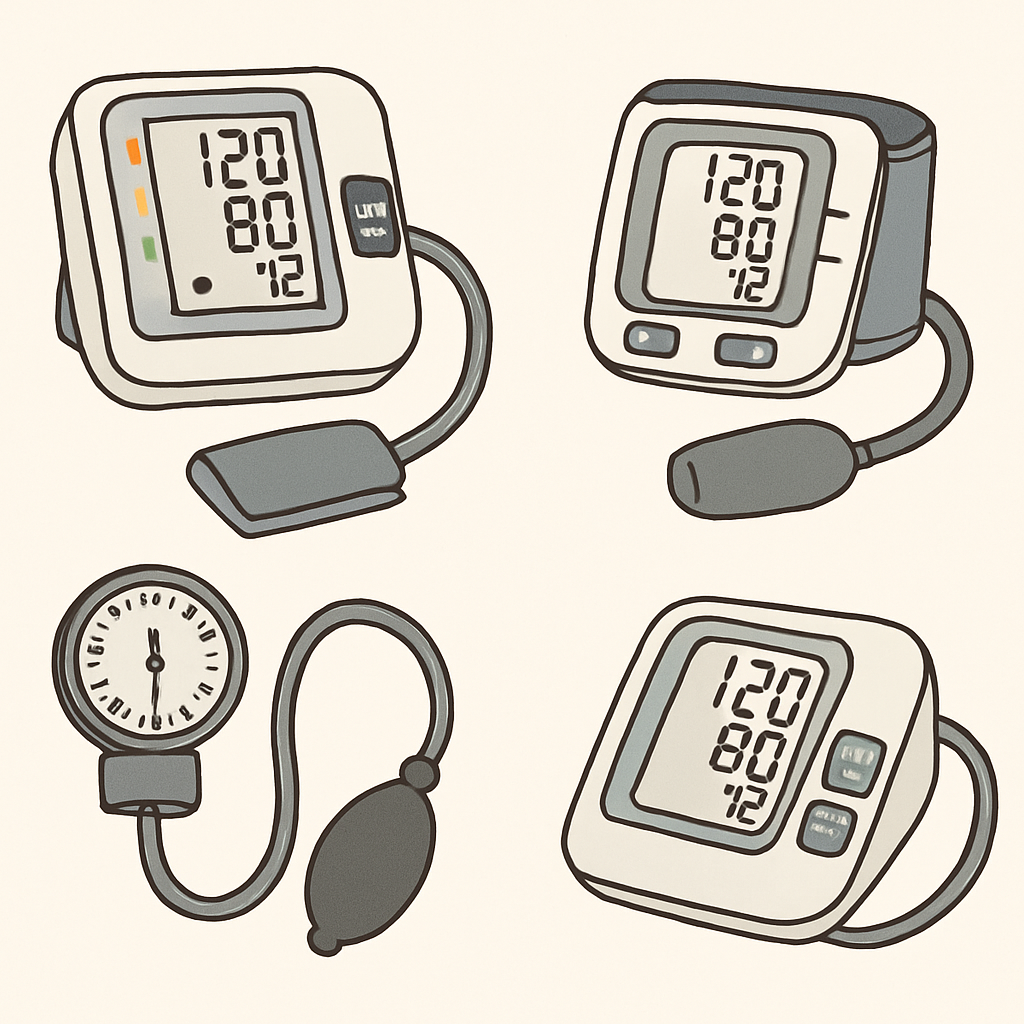
Selecting the right blood pressure monitor is crucial for accurate readings. There are many options, from traditional upper arm cuffs to modern electronic devices. Each type has its own benefits and drawbacks, so choose based on your specific needs.
Upper arm blood pressure cuffs are generally considered the most reliable. They offer the highest accuracy, which is vital for tracking health changes. However, they may be less convenient for some users due to their size.
Wrist sphygmomanometers are portable and easier to use. They are ideal for people who travel or have difficulty using arm cuffs. However, they require proper positioning to ensure accuracy. Some users find wearable blood pressure monitors convenient for continuous monitoring.
Here’s what to consider when choosing the best monitor:
- Accuracy of readings
- Ease of use and comfort
- Portability and storage capacity
- Additional features like memory storage or smartphone connectivity
The Omron 3 Series, for instance, is a popular option praised for its reliability. Investing in a quality monitor helps ensure you get the most accurate readings possible.
Preparing for Your Blood Pressure Measurement
Proper preparation is key for an accurate blood pressure reading. Small changes in routine can make a big difference. Being consistent in your approach helps ensure the reliability of your results.
First, find a calm environment. Stress can skew your numbers, so a quiet room is best. Relaxing for at least five minutes before taking a reading can make results more accurate.
Avoid factors that may affect your reading. This includes caffeine, exercise, and smoking for at least 30 minutes prior. Staying away from these ensures that external factors don’t interfere with your results.
Here’s a quick checklist for preparation:
- Sit comfortably with back supported
- Keep your feet flat on the floor
- Ensure the arm is at heart level
- Avoid talking or moving during measurement
Following these steps will help you get an accurate snapshot of your blood pressure. Stick to a regular routine for the best results over time.
Step-by-Step Guide to Taking an Accurate Reading
Taking an accurate blood pressure reading requires attention to detail. Start by selecting the correct equipment. Choose a validated upper arm blood pressure cuff for best accuracy.
Step 1: Set Up Your Equipment
- Place your monitor on a flat surface.
- Make sure batteries are fresh or device is charged.
- Follow manufacturer instructions to avoid errors.
Step 2: Position Yourself Correctly
Sitting in a supportive chair is essential. Your back should be straight with arms at heart level. Feet should be flat without crossing legs.
Step 3: Apply the Cuff Correctly
- Wrap the cuff on bare skin of the upper arm.
- Ensure cuff is snug but not tight.
- Double-check the placement according to cuff guidelines.
 by Julia Taubitz (https://unsplash.com/@justmejuliee)
Step 4: Conduct the Measurement
Stay still and silent during the process. Press start and remain motionless until the machine finishes. Following this step is crucial for a true reading.
Step 5: Record and Analyze the Reading
Take multiple readings, ideally twice at least two minutes apart. Recording these in a log helps track trends. Computing the average reading provides a clearer view.
Step 6: Maintain Your Routine
Regular measurement at the same time daily improves trend visibility. Consistent monitoring empowers you to understand your health patterns better. Adhere to these steps for best results in blood pressure management.
Common Mistakes and How to Avoid Them
Inaccurate blood pressure readings can occur due to simple errors. One common mistake is incorrect cuff placement. Always place the cuff directly on the skin, not over clothing. It’s best to ensure the cuff is snug but not overly tight.
Engaging in conversation or movement during readings can skew results. This is another frequent error. To ensure accuracy, remain still and quiet while the device does its work. Keep distractions to a minimum to avoid noise interference.
Lastly, failing to maintain a consistent routine can lead to misleading data. By measuring blood pressure at varying times, readings can fluctuate. Stick to the same time each day for consistency. Here’s a quick list to avoid common pitfalls:
- Place the cuff correctly on bare skin.
- Sit quietly without moving or talking.
- Measure at consistent daily times.
- Avoid using outdated or uncalibrated devices.
Following these pointers helps in getting reliable readings every time.
Understanding Your Blood Pressure Results
Interpreting blood pressure results is crucial for managing health. Systolic pressure, the top number, reflects the pressure in arteries when the heart beats. Diastolic pressure, the bottom number, shows pressure when the heart rests between beats. Knowing what these numbers mean can help you assess your heart health accurately.
Each category of blood pressure readings provides different insights. A normal reading is below 120/80 mmHg. Readings between 120-129 systolic and below 80 diastolic indicate elevated blood pressure. Hypertension is typically diagnosed when readings persistently exceed 130/80 mmHg.
Here’s a brief guide for reference:
- Normal: Below 120/80 mmHg
- Elevated: 120-129/<80 mmHg
- Hypertension Stage 1: 130-139/80-89 mmHg
- Hypertension Stage 2: 140+/90+ mmHg
- Hypertensive Crisis: 180+/120+ mmHg (Seek emergency care)
 by CDC (https://unsplash.com/@cdc)
By tracking and understanding these figures, you can manage your health more effectively. Regular analysis of trends can provide valuable insights, aiding decisions about lifestyle adjustments or medical intervention.
Tips for Tracking and Sharing Your Readings
Keeping a record of your blood pressure readings is beneficial. Tracking these results helps you and your healthcare provider understand patterns and potential health issues. A consistent record reveals trends, providing insight into lifestyle or medication impacts.
Sharing your readings with your doctor is crucial for effective care. Regularly updating your healthcare provider allows for informed decisions and adjustments to your treatment plan. It builds a detailed picture of your overall health.
Consider these tips for tracking and sharing your blood pressure readings:
- Use a digital app or a simple notebook to log results.
- Note the time and date of each reading.
- Include any noteworthy activities or emotions that day.
- Regularly review and discuss these logs with your healthcare provider.
Documenting with care ensures a comprehensive understanding of your blood pressure trends, helping you and your doctor make the best healthcare choices.
Maintaining and Calibrating Your Blood Pressure Monitor
Proper maintenance of your blood pressure monitor is essential for precise readings. Regular care ensures your device stays accurate and functional. Begin by checking the monitor’s batteries, replacing them when necessary. Maintaining a clean and dry storage space prolongs the device’s lifespan.
Calibration is crucial for accuracy. Many monitors require periodic calibration, ideally every one to two years. Consult your manual or a professional for guidance.
Consider these maintenance tips:
- Regularly clean the cuff, following the manufacturer’s instructions.
- Keep the device in its case when not in use.
- Verify readings against a professional-grade monitor annually.
- Follow all manual recommendations for upkeep and calibration.
These practices help ensure your monitor provides reliable readings, empowering you to manage your health effectively.
Frequently Asked Questions About Home Blood Pressure Monitoring
Home blood pressure monitoring is essential for managing health, but questions often arise. Common inquiries involve choosing a suitable device and interpreting results. Understanding these aspects boosts confidence in home monitoring.
Many wonder about the differences between arm and wrist monitors. Arm monitors are typically more accurate, especially for regular use. However, wrist monitors offer convenience and portability for travel.
To address some common questions, consider the following pointers:
- How often should I check my blood pressure at home? Daily measurements, at the same time, are recommended for tracking trends.
- What is the best time to check my blood pressure? Measure in the morning before medication and again in the evening.
- How can I ensure accuracy? Use a validated monitor and follow all instructions carefully.
These tips guide you in effective home blood pressure monitoring, ensuring you maximize the benefits.
Conclusion: Empowering Your Health with Accurate Readings
Monitoring your blood pressure accurately at home plays a crucial role in health management. Consistency and proper technique ensure reliable readings that guide your healthcare decisions.
By choosing the right tools and following best practices, you can confidently monitor your health. Empower yourself with reliable data to discuss with your healthcare provider for optimal health management and peace of mind.