
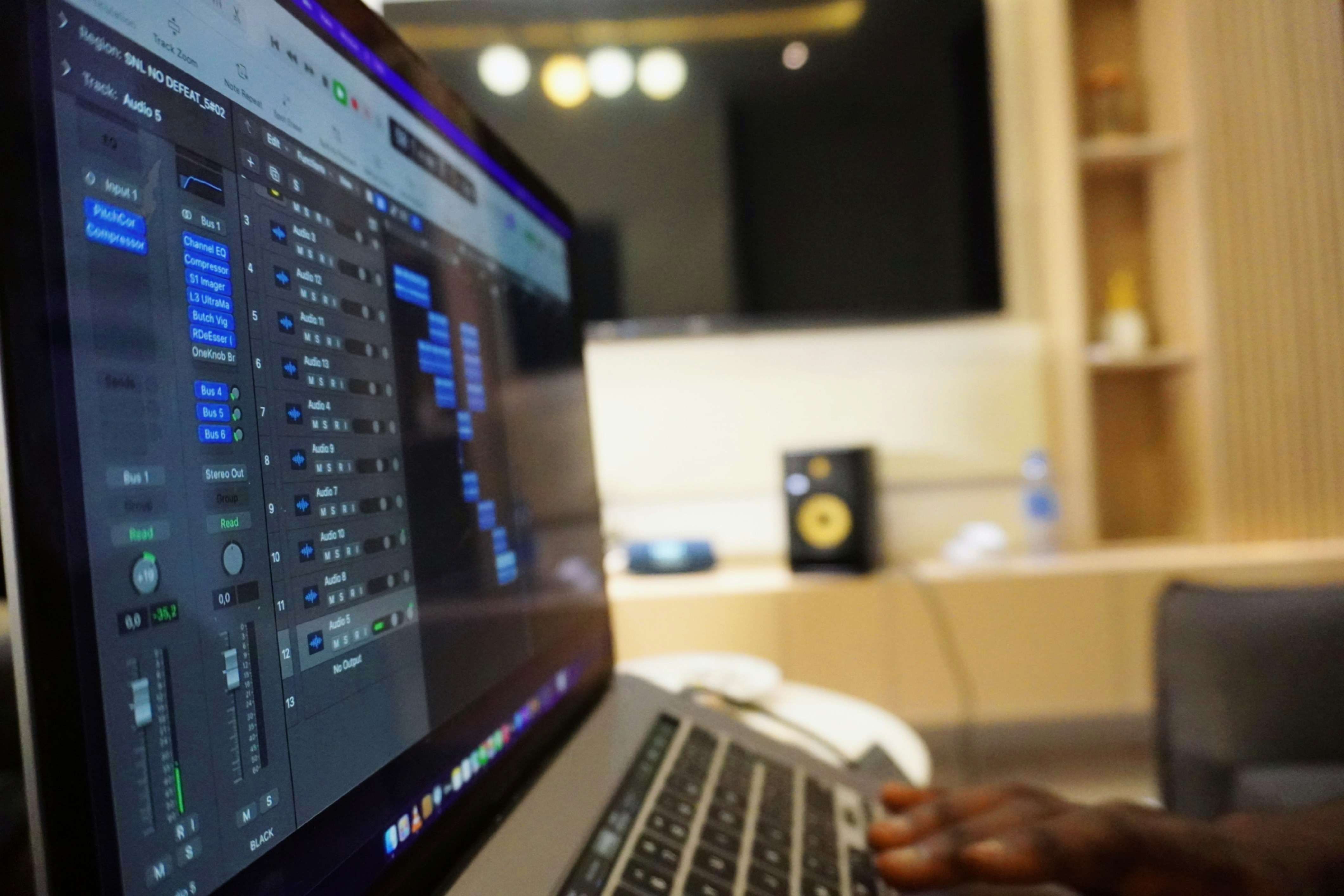
Introduction to Vocal Mixing Software
Vocal mixing software plays a vital role in the realm of music production, facilitating the seamless integration of vocal tracks within a composition. Over the years, the technology behind these essential tools has dramatically evolved. In earlier days, vocal mixing was labor-intensive, often requiring elaborate hardware setups and extensive technical knowledge. However, the advent of advanced audio vocal mixing software has transformed this landscape, making mixing accessible to a wider array of musicians and producers.
The significance of vocal mixing software lies in its ability to enhance the overall sound quality of recordings. Modern software offers a plethora of features such as pitch correction, noise reduction, and dynamic range control. These functionalities not only improve the clarity and presence of vocal performances but also empower artists to fine-tune their sound with precision. Such enhancements are crucial in today’s competitive music industry, where the quality of a track can determine its commercial success.
Furthermore, vocal mixing software serves as an essential tool for collaboration among artists and producers. Many applications now offer cloud-based solutions, allowing multiple contributors to work on a project simultaneously, regardless of their geographical location. This collaborative aspect encourages creativity and innovation within the production process, resulting in richer and more diverse musical outputs.
As we look towards 2026, the advancements in vocal mixing technology continue to reshape the music production landscape. Improved algorithms, artificial intelligence integration, and user-friendly interfaces are among the trends driving progress. With these innovations, audio vocal mixing is poised to become even more intuitive and powerful, further empowering artists to express their musical visions. The next sections will delve into some of the most relevant software options available, emphasizing their unique features and capabilities.
Criteria for Selecting Audio Vocal Mixing Software
When evaluating audio vocal mixing software, several key criteria emerge as essential for both novice and experienced users. User interface design is paramount; a clean, intuitive interface allows for efficient navigation and enhances the overall user experience. A well-designed layout can facilitate quick access to crucial features, thereby streamlining the mixing process.
Functionality is another critical factor. The software must offer a comprehensive array of tools necessary for effective vocal mixing, including equalization, compression, reverb, and pitch correction. More advanced features such as automation and multi-track editing capabilities can elevate the mixing quality. User reviews and expert opinions often provide insight into how well the software performs these tasks in real-world applications.
Compatibility with various operating systems—such as Windows, macOS, and Linux—ensures that users can install the software on their preferred devices without hassle. Furthermore, the availability of plugins expands the functionality of vocal mixing software, allowing users to integrate additional sound effects or enhancements tailored to specific needs.
Sound quality remains a fundamental consideration. High-resolution audio processing and the ability to handle various audio formats are essential for producing professional-grade results. Users should look for software that maintains audio integrity throughout the mixing process, thereby preserving the nuances of vocals and instrumentation.
Lastly, cost-effectiveness plays a significant role in the selection process. Different software solutions vary widely in price, so assessing whether the features offered justify the price is crucial. Numerous options exist, ranging from free software with limited features to premium solutions loaded with advanced functionality. Understanding one’s requirements and budget will help in choosing the right audio vocal mixing software for any project.
The Top 10 Audio Vocal Mixing Software of 2026
As the demand for high-quality audio production continues to rise, various audio vocal mixing software has emerged to cater to diverse user needs. Here is a list of the top 10 audio vocal mixing software of 2026, along with their key features, strengths, weaknesses, user demographics, and pricing information.
1. Adobe Audition
This software features a user-friendly interface and powerful mixing tools that accommodate beginners and professionals alike. With advanced noise reduction and restoration capabilities, Adobe Audition stands out for its ability to enhance audio clarity. However, its subscription model might deter some users. The starting price is around $20.99 per month.
2. Avid Pro Tools
Known for its industry-standard capabilities, Pro Tools offers exceptional audio mixing functions suitable for serious music producers. Its robust plugin support is a significant strength. However, the steep learning curve can be a drawback for new users. Licensing options start at approximately $29.99 per month.
3. Logic Pro X
A favorite among Mac users, Logic Pro X delivers an extensive library of sounds and loops that can enhance vocal mixing. Its seamless integration with Apple hardware is an advantage. Still, it is only available for macOS, limiting its accessibility to other users. The price is set at $199.99 as a one-time purchase.
4. Ableton Live
Popular among electronic music producers, Ableton Live includes features that aid live vocal mixing and performance. Its flexible session view allows for creative sound arrangements. However, some might find its unconventional layout less intuitive. Prices start at $99 for the Intro version.
5. FL Studio
FL Studio’s easy-to-navigate interface and powerful mixing plugins make it perfect for musicians at all levels. Although its Windows-centric design can deter Mac users, its affordability, beginning at $99, is appealing.
6. Reaper
This budget-friendly option offers extensive customization and an active user community. Its flexible licensing model makes it attractive for new users, despite its bare-bones user interface. The price starts at a variable rate of $60 for a discounted license.
7. Cubase
With its comprehensive set of audio editing tools, Cubase is excellent for detailed vocal mixing. This software is well-suited for diverse genres but can be resource-intensive. Pricing begins at $99.99 for the Elements version.
8. GarageBand
A great entry-level option for Mac users, GarageBand is entirely free and offers sufficient features for basic audio vocal mixing needs. However, its limitations may not satisfy professional producers. Availability is exclusive to macOS devices.
9. ProMix 8
This emerging software combines simplicity with powerful mixing capabilities, making it ideal for beginners. Although it lacks advanced features found in competitors, its accessible price point, starting at $49.99, makes it enticing.
10. Soundtrap
A cloud-based solution, Soundtrap allows for remote collaboration on vocal mixing projects. Its subscription model can accumulate costs, though its ease of use is a strong selling point. Prices begin at $14.99 per month.
Choosing the right audio vocal mixing software greatly depends on specific needs, budget, and user experience. Each option presents a unique set of features that accommodates various audio production styles and complexities, thus paving the way for creative sound engineering in 2026.
Future Trends in Vocal Mixing Technology
As we look towards the future of audio vocal mixing software, we can anticipate some exciting technological advancements that are expected to transform the landscape of music production beyond 2026. One of the most influential trends is the rise of artificial intelligence (AI) in the realm of vocal mixing. AI-driven mixing tools are expected to offer greater automation, enabling users to achieve professional-quality results with minimal effort. These tools will learn from user preferences and existing audio trends, making smart adjustments that enhance the overall sound quality in real-time.
Moreover, the integration of virtual reality (VR) in vocal mixing software is another anticipated development. VR platforms can provide immersive environments for producers and sound engineers, allowing them to interact with their mixes as if they were in a physical studio. This technological evolution can create a more intuitive experience when mixing vocals, providing real-time visual feedback on how various elements interact within a three-dimensional space.
In addition to AI and VR, collaborative online platforms are poised to become increasingly important in the realm of vocal mixing. These platforms will facilitate seamless cooperation between artists, producers, and sound engineers from different locations. By integrating cloud-based solutions, users can work together in real-time, share ideas, and make adjustments to vocal mixes simultaneously, significantly streamlining the production process. Such collaborative tools will likely democratize music production, enabling more individuals to participate in the creative process irrespective of geographical constraints.
Staying informed about these upcoming changes in the audio vocal mixing space will be crucial for producers looking to maintain a competitive edge. As technology continues to evolve, embracing these innovations will not only enhance the mixing experience but also lead to higher quality productions.