
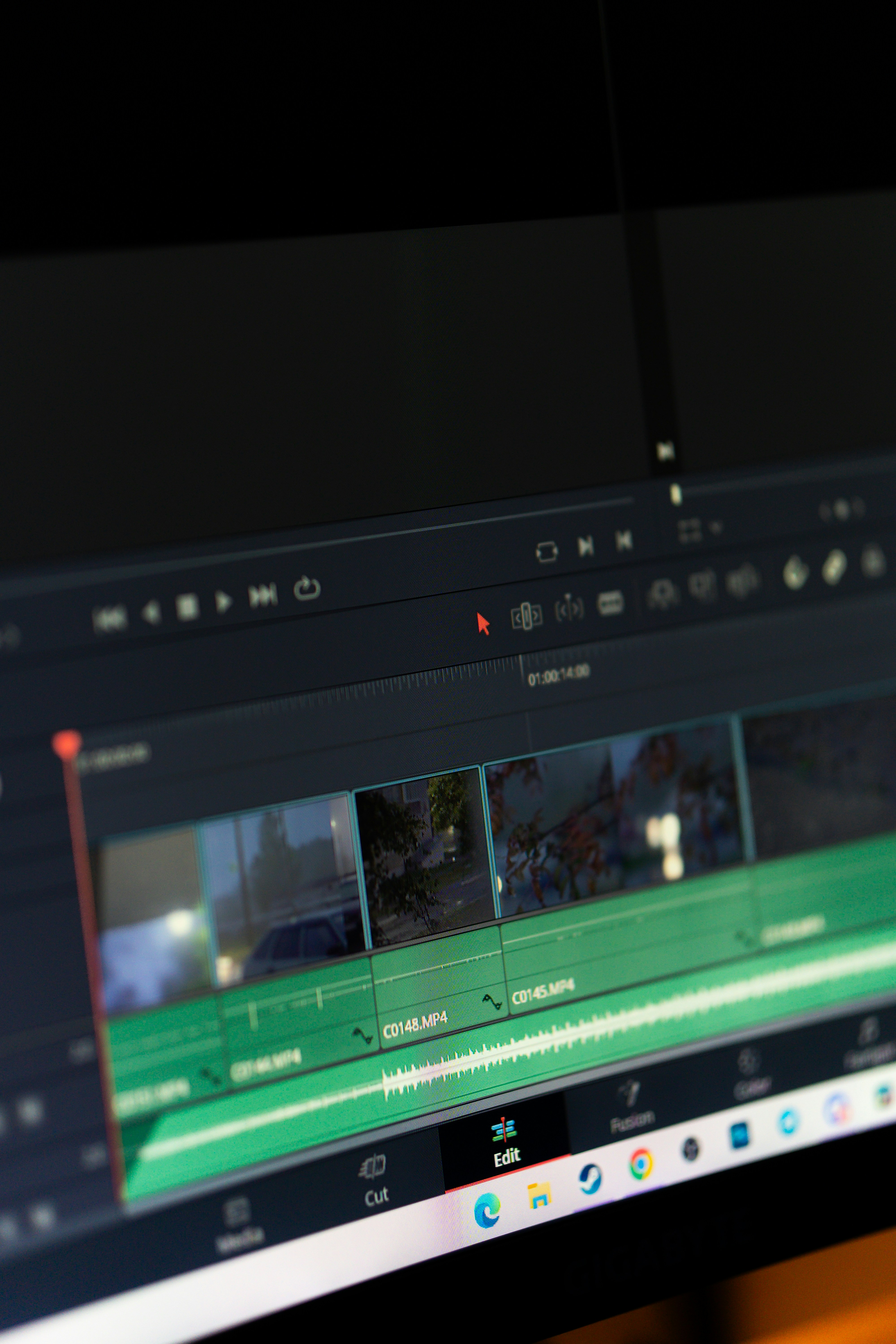
Overview of the Video Editing Software Landscape
The video editing software market has experienced a significant transformation leading into 2026, primarily driven by advancements in technology and the ever-growing demand for video content. As industries ranging from marketing to education increasingly rely on visual media to engage audiences, the importance of effective video editing tools has never been more pronounced. Users today expect powerful yet user-friendly editing solutions that can cater to both amateur creators and professional filmmakers.
One of the noticeable trends in video editing is the rise of cloud-based solutions. These platforms not only provide flexible access from various devices but also facilitate seamless collaboration among users. As a result, teams working on video projects can now collaborate in real-time, significantly enhancing productivity and creativity. This shift toward cloud technology has resulted in software options that are both scalable and cost-effective, appealing to a broad range of users.
Artificial intelligence (AI) has also begun to play a transformative role in video editing. Editing software now employs AI to automate tedious tasks such as scene detection, audio synchronization, and even color grading. This allows editors to focus more on creative aspects rather than spending time on repetitive processes. Furthermore, AI-enhanced features are increasingly being integrated into mobile editing applications, enabling users to create polished videos directly from their smartphones.
The evolution of video editing software has led to an impressive array of features, including advanced visual effects, enhanced motion graphics, and sophisticated sound editing capabilities. As user demands continue to evolve, it is anticipated that the landscape of video editing software will keep adapting, providing innovative solutions that cater specifically to the needs of today’s creators. This dynamic environment sets an exciting stage as we delve into the top video editing software options available in 2026.
Key Criteria for Selecting Video Editing Software
When selecting the best video editing software, it is essential to consider several key criteria that align with the user’s specific needs and goals. These factors can greatly influence the editing experience and the quality of the final output.
Firstly, the user interface design plays a critical role in usability. A well-designed interface that is intuitive and easy to navigate can significantly enhance productivity, especially for beginners in video editing. Users should seek software that provides a smooth learning curve, allowing them to focus more on creative aspects rather than getting bogged down by complicated controls.
Next, functionality is another vital criterion. Different projects often require unique features such as advanced color grading, special effects, multi-track editing, and audio enhancement capabilities. Identifying what specific tools are essential for your projects will ensure that the software meets your creative demands.
The cost of the video editing software is also an important element to consider. Options range from free software with basic features to premium versions with extensive functionality. Users should assess their budget and the value offered by the software, ensuring that it aligns with their financial constraints without compromising necessary features.
In addition, ensuring compatibility with various operating systems is crucial. Video editors must confirm whether the software operates smoothly on their devices, be it Windows, macOS, or even mobile platforms, to prevent any technical disruptions during the editing process.
Finally, support for different video formats is paramount. The ability to import and export various multimedia formats allows for flexibility in project handling. Users should check that the software supports the formats consistent with their camera equipment and intended distribution channels.
By prioritizing these key criteria, users can select video editing software that effectively meets their needs, ensuring a smoother and more productive editing experience.
As video editing continues to evolve, numerous software options have emerged in the market, catering to different needs and user preferences. Here we present a detailed overview of the top ten video editing software programs in 2026.
1. Adobe Premiere Pro: Renowned for its professional-grade capabilities, Adobe Premiere Pro offers comprehensive tools for editing, color grading, and audio mixing. It is particularly favored by filmmakers and video production companies due to its advanced features. Pricing starts at $20.99/month.
2. Final Cut Pro X: Exclusively available for Mac users, Final Cut Pro X is celebrated for its intuitive interface and seamless media organization. Excellent for professionals and semi-professionals, it retails for a one-time fee of $299.99.
3. DaVinci Resolve: This software is distinguished by its powerful color correction and audio post-production capabilities. It appeals to both amateurs and professionals seeking high-quality results, and the basic version is available for free, with the Studio version priced at $295.
4. Sony Vegas Pro: Known for its user-friendly layout, Sony Vegas Pro is ideal for video editing enthusiasts and semi-professionals alike. It includes a variety of effects and transitions, costing approximately $399.
5. Filmora: A popular choice among amateurs, Filmora offers a simplified video editing experience with drag-and-drop functionality. It is affordable, with plans available starting at $39.99/year.
6. HitFilm Express: This free software combines video editing and visual effects compositing, making it suitable for filmmakers at various levels. Advanced features can be unlocked through optional add-ons.
7. Camtasia: Geared towards educators and corporate trainers, Camtasia stands out for its screen recording and editing features. It is reasonably priced at $249 for a one-time purchase.
8. Avid Media Composer: A dominant name in the film and television industry, Avid Media Composer is tailored for professionals working on large-scale projects. Subscription plans start from $23.99/month.
9. WeVideo: A cloud-based editing platform that caters to educators and content creators, WeVideo promotes collaboration and easy access to projects on various devices. Plans begin at $4.99/month.
10. Pinnacle Studio: This software offers advanced editing features in a budget-friendly package attractive to amateur and budding video editors. Pricing starts at $59.95 for a one-time purchase.
Choosing the right video editing software greatly depends on individual requirements, skill levels, and budget constraints. The listed options provide a diverse range of functionalities, ensuring that users can find the right tools to enhance their video editing experience.
Future Trends and Innovations in Video Editing Software
The landscape of video editing is on the brink of transformation, driven by rapid advancements in technology. As we look beyond 2026, several trends and innovations are anticipated that could fundamentally change how content creators approach video production. A significant trend involves the integration of artificial intelligence (AI) into video editing software. AI algorithms are expected to enhance functionality, enabling features such as automated editing, scene detection, and intelligent color correction. With tools powered by AI, editors can expect to spend less time sifting through footage and more time on creative aspects of video production.
Another promising area of development is the incorporation of virtual reality (VR) and augmented reality (AR) into video editing processes. These technologies will not only provide immersive experiences for viewers but will also empower editors to create content in three-dimensional spaces. This shift could usher in new narrative techniques and visual styles, allowing for innovative storytelling approaches that enhance audience engagement. Video editing software equipped with VR and AR capabilities may redefine the boundaries of conventional editing by offering unique perspectives and interactive elements.
Furthermore, the rise of collaborative editing features is poised to revolutionize how teams work together on video projects. With cloud-based solutions becoming increasingly prevalent, editors can instantly share their work and receive real-time feedback from colleagues, regardless of location. This enhanced collaboration could lead to a more streamlined workflow, enabling teams to produce high-quality videos in shorter time frames. As these innovations gain traction, we can anticipate a more democratized video editing environment, where creators of all skill levels can access sophisticated tools and collaborate seamlessly.
In conclusion, the future of video editing software appears promising, with innovations in AI, VR, AR, and collaborative tools set to shape a new era of creativity and efficiency in video production. As technology continues to evolve, it will be essential for editors to adapt and embrace these advancements to stay at the forefront of the industry.